Unlocking Marketing Success: How AI Automation Enhances Strategies and Boosts Performance
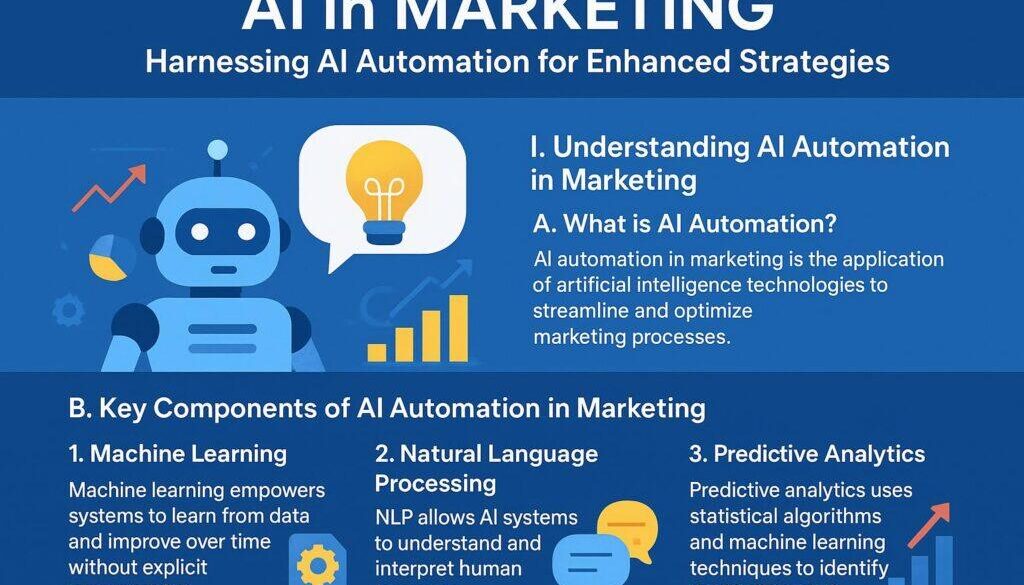
AI in Marketing: Harnessing AI Automation for Enhanced Strategies
I. Introduction
Artificial Intelligence (AI) in marketing refers to the utilization of advanced technologies to analyze data and automate repetitive tasks, thereby enhancing marketing strategies and outcomes. In today’s fast-paced digital landscape, AI automation has emerged as a transformative force that empowers marketers to achieve remarkable efficiency and precision in their campaigns. The key benefits of integrating AI into marketing strategies include increased personalization, improved customer experiences, and enhanced data analytics capabilities.
II. Understanding AI Automation in Marketing
A. What is AI Automation?
AI automation in marketing is the application of artificial intelligence technologies to streamline and optimize marketing processes. This includes automating mundane tasks that typically require human intervention, allowing businesses to focus on strategic initiatives. By leveraging AI, organizations can better understand consumer behavior, predict trends, and effectively tailor marketing efforts.
B. Key Components of AI Automation in Marketing
1. Machine Learning
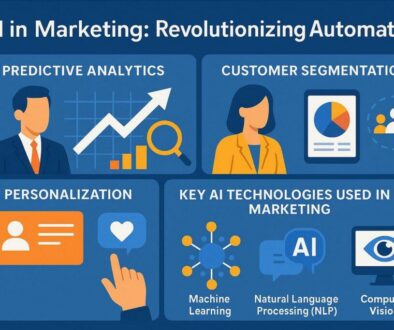
Machine learning is a subset of AI that empowers systems to learn from data and improve over time without explicit programming. In marketing, machine learning algorithms analyze past consumer interactions to recognize patterns and predict future behavior, making it a powerful tool for targeting and engagement.
2. Natural Language Processing
Natural Language Processing (NLP) allows AI systems to understand and interpret human language. This capability is crucial for creating personalized communications and chatbots that can interact with customers in a conversational manner, enhancing the overall customer experience.
3. Predictive Analytics
Predictive analytics uses statistical algorithms and machine learning techniques to identify the likelihood of future outcomes based on historical data. In marketing, this allows organizations to forecast customer behaviors, optimize campaigns, and make data-driven decisions that enhance overall performance.
III. Applications of AI in Marketing
A. Customer Segmentation and Targeting
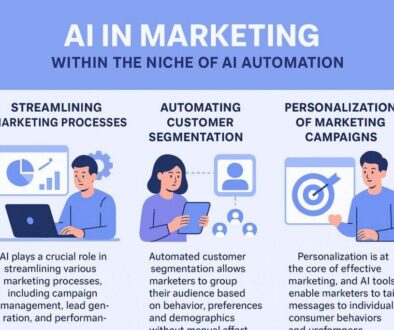
AI-driven customer segmentation enables marketers to categorize consumers based on various attributes, including behavior, demographics, and preferences. This targeted approach ensures that marketing efforts resonate more deeply with specific segments, leading to higher engagement rates.
B. Personalized Marketing Campaigns
With AI, businesses can create highly personalized marketing campaigns that cater to individual customer needs. By analyzing data from previous interactions, AI can recommend products and tailor content for each user, significantly increasing conversion rates.
C. Chatbots and Customer Service Automation
AI-powered chatbots provide 24/7 customer service, handling inquiries, and resolving issues without human intervention. This not only enhances customer satisfaction by providing instant responses but also allows businesses to allocate resources more effectively.
D. Content Generation and Curation
AI tools can assist in generating content, curating relevant articles, and even assessing the performance of marketing materials. This automation enables marketers to deliver high-quality content more efficiently while focusing on strategy and creative work.
E. Marketing Analytics and Performance Measurement
AI enhances marketing analytics by providing deeper insights into campaign performance. With advanced data analysis, organizations can measure key performance indicators (KPIs) and gain actionable insights to refine strategies and achieve better results.
IV. Benefits of Implementing AI Automation in Marketing
A. Efficiency and Cost-Effectiveness
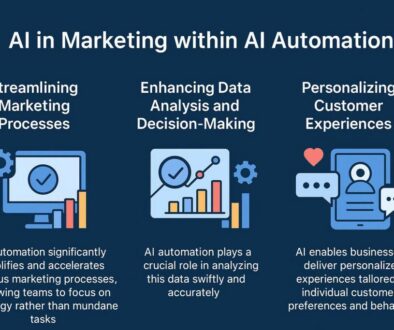
One of the most significant advantages of AI automation is increased efficiency, allowing businesses to execute marketing tasks more quickly and accurately. This streamlining reduces labor costs and enables marketing teams to achieve more within a shorter timeframe.
B. Enhanced Customer Experience
By delivering personalized experiences and timely communications, AI improves the overall customer journey. Customers appreciate relevant content and prompt responses, leading to increased loyalty and long-term engagement.
C. Data-Driven Decision Making
AI equips marketers with rich data insights, empowering them to make informed decisions. The ability to analyze vast amounts of data in real-time helps businesses optimize campaigns and respond swiftly to market changes.
D. Better Return on Investment (ROI)
Implementing AI automation in marketing contributes to better ROI by enhancing campaign effectiveness and reducing waste. As marketers can predict customer preferences and behaviors more accurately, resources are allocated to the highest-performing initiatives.
V. Challenges in Adopting AI Automation in Marketing
A. Data Privacy and Security Concerns
As organizations collect and analyze vast amounts of customer data, concerns about data privacy and security arise. Marketers must ensure compliance with regulations and maintain customer trust, balancing personalization with privacy.
B. Integration with Existing Systems
Integrating AI automation tools with current marketing systems can pose challenges. Businesses may encounter compatibility issues, requiring that they carefully evaluate the technological landscape before implementation.
C. Skills Gap and Change Management
The adoption of AI automation often necessitates new skill sets within marketing teams. Organizations may face a skills gap, requiring training and change management efforts to ensure that teams can effectively utilize AI tools and adapt to new processes.
VI. Future Trends of AI in Marketing
A. Increasing Personalization through AI
As AI technology advances, the level of personalization in marketing will continue to increase. Expect to see hyper-targeted advertising and content that resonates with individual consumers on a deeper level.
B. Rise of Voice and Visual Search
With the growing use of voice-activated devices and visual search capabilities, marketers must adapt their strategies to accommodate these new search behaviors. AI will play a crucial role in optimizing content for voice and visual queries, enhancing discoverability.
C. AI in Predictive Customer Behavior
Predictive analytics powered by AI will become increasingly sophisticated, allowing marketers to forecast not only sales but also customer preferences and purchasing patterns with greater accuracy.
D. Ethical Considerations in AI Marketing
As AI becomes more pervasive, marketers must navigate ethical considerations regarding data usage and algorithm transparency. Striking a balance between innovation and responsible marketing practices will be essential for maintaining consumer trust.
VII. Case Studies
A. Successful Implementation of AI Automation by Brands
Several brands have successfully integrated AI automation into their marketing strategies, showcasing the potential of this technology. For example, Netflix employs AI to analyze viewing habits, allowing it to recommend personalized content effectively.
B. Lessons Learned and Best Practices
Through these case studies, key lessons emerge, including the importance of prioritizing customer experience, maintaining data integrity, and continuously measuring campaign performance to optimize efforts.
VIII. Conclusion
AI automation is revolutionizing marketing strategies by enhancing efficiency, personalization, and data analytics. As we look ahead, the future of AI in marketing appears promising, with continuous advancements offering new opportunities for marketers. To remain competitive, businesses must embrace AI automation, adopting innovative technologies that meet the evolving needs of consumers and drive sustainable growth in their marketing efforts.