Harnessing AI Automation in Marketing: Enhancing Efficiency, Personalization, and ROI
AI in Marketing within AI Automation
Introduction
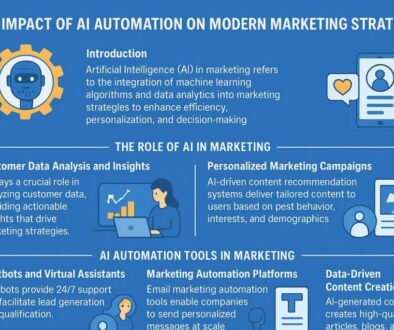
Artificial Intelligence (AI) in marketing refers to the use of AI technologies and algorithms to enhance marketing strategies, optimize campaigns, and achieve better business outcomes. AI automation, on the other hand, encompasses the deployment of AI tools to automate repetitive tasks and streamline processes within the marketing ecosystem. Integrating AI into marketing strategies is essential in today’s dynamic business environment, enabling brands to increase efficiency, improve customer experiences, and drive revenue growth.
The Role of AI Automation in Marketing
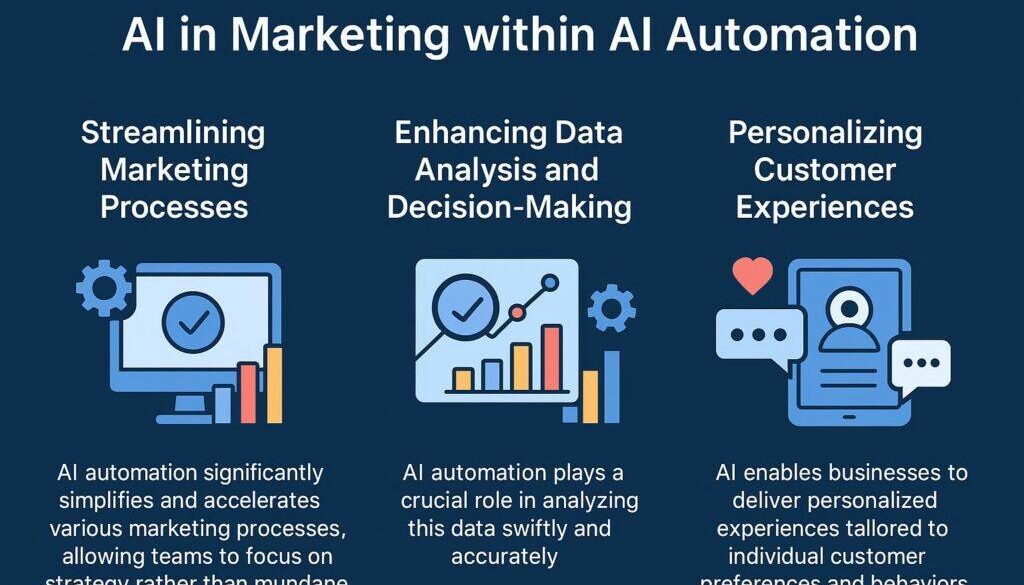
Streamlining Marketing Processes
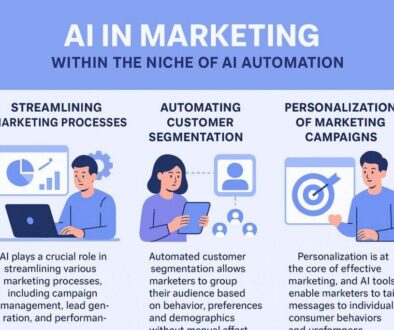
AI automation significantly simplifies and accelerates various marketing processes, allowing teams to focus on strategy rather than mundane tasks. Automated tools can handle segmentation, scheduling, and content distribution with high accuracy and speed. This streamlining not only saves time but also reduces the potential for human error, leading to more effective marketing campaigns.
Enhancing Data Analysis and Decision-Making
With vast amounts of data generated daily, AI automation plays a crucial role in analyzing this data swiftly and accurately. By leveraging advanced analytics, marketers can gain valuable insights into consumer behavior and market trends, which inform their strategic decisions. Consequently, this data-driven approach enhances decision-making and leads to more targeted marketing initiatives.
Personalizing Customer Experiences
AI enables businesses to deliver personalized experiences tailored to individual customer preferences and behaviors. By analyzing customer data, brands can create customized recommendations, targeted advertisements, and dynamic content that resonates with their audience. This level of personalization fosters stronger customer relationships and increases the likelihood of conversion.
Key AI Technologies Driving Marketing Automation
Machine Learning
Predictive Analytics
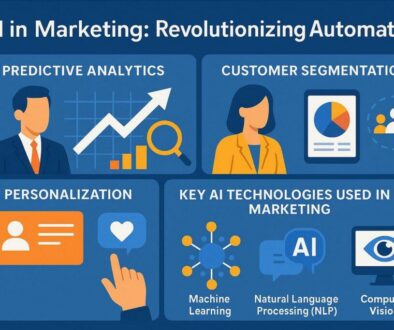
Machine learning algorithms enable predictive analytics, which helps marketers forecast future trends based on historical data. This capability allows businesses to make informed decisions about product launches, promotions, and overall marketing strategies. By anticipating customer needs, organizations can proactively engage their audience.
Customer Segmentation
AI-driven customer segmentation enhances marketing efforts by categorizing audiences based on specific characteristics and behaviors. This targeted segmentation enables more effective marketing messages and improves the likelihood of engagement with potential customers.
Natural Language Processing (NLP)
Chatbots and Virtual Assistants
NLP technology powers chatbots and virtual assistants, providing instant customer support and engagement around the clock. These AI-driven tools handle inquiries, recommend products, and improve user experience on websites and social media platforms. This constant interaction not only streamlines customer service but also boosts satisfaction.
Sentiment Analysis
Sentiment analysis, a branch of NLP, helps brands gauge public opinion by analyzing customer feedback, reviews, and social media mentions. Understanding customer sentiments allows businesses to respond effectively, tailor their marketing strategies, and address any negative feedback before it escalates.
Robotics Process Automation (RPA)
Automating Repetitive Tasks
RPA automates repetitive tasks such as data entry, reporting, and email responses, freeing up marketing teams to focus on strategic initiatives. By enhancing productivity through automation, marketers can allocate their time and resources more effectively.
Integration of Data Sources
RPA also enables better integration of various data sources, providing marketers with a unified view of their campaigns and customer interactions. This comprehensive approach results in more informed decisions and targeted marketing efforts.
Benefits of AI Automation in Marketing
Increased Efficiency and Productivity
Implementing AI automation in marketing leads to significant gains in efficiency and productivity. Teams can focus on high-impact activities while automation handles mundane tasks, driving better performance across the board. With faster workflows, organizations can respond more rapidly to market changes and opportunities.
Improved Customer Engagement
AI automation enhances customer engagement by delivering timely and relevant content. By analyzing customer preferences and behaviors, marketers can ensure that their messaging resonates with their target audience. This engagement strategy results in higher conversion rates and loyal customers.
Enhanced Targeting and ROI
AI tools provide insights that allow for more precise targeting in marketing campaigns. By understanding where and how to reach potential customers effectively, businesses can maximize their return on investment (ROI). Enhanced targeting not only increases engagement but also leads to higher sales and profitability.
Challenges and Considerations
Data Privacy and Ethical Considerations
With the growing use of AI in marketing, businesses must navigate data privacy and ethical considerations. Consumers are increasingly wary of how their data is used, and companies must ensure compliance with regulations while maintaining transparency. Developing a robust framework for ethical AI usage is essential to uphold customer trust.
Technology Integration Hurdles
Integrating AI technologies into existing marketing systems can pose challenges. Companies must overcome technical obstacles such as compatibility issues and staff resistance to change. A well-structured implementation strategy can ease this transition and leverage the full potential of AI automation.
Skills Gap and Workforce Training
As AI becomes more prevalent in marketing, there is a pressing need for workforce training to bridge the skills gap. Marketers must continuously enhance their knowledge of AI tools and platforms to stay competitive. Investing in training programs and resources will empower teams to effectively utilize AI in their marketing strategies.
Case Studies
Successful Implementation of AI Automation in Marketing
Numerous companies have successfully implemented AI automation in their marketing strategies. These case studies highlight the transformative impact of AI on campaign effectiveness, customer engagement, and overall business success. For instance, brands like Coca-Cola and Netflix have leveraged AI to enhance their marketing efforts through targeted strategies and robust personalization.
Examples from Major Brands
Major brands across various sectors have adopted AI automation to optimize their marketing campaigns. Their innovative approaches showcase how AI can transform traditional marketing efforts into more data-driven and customer-focused initiatives. These examples serve as inspiration for businesses looking to harness AI's potential.
Lessons Learned and Best Practices
The lessons learned from successful AI automation implementations can provide valuable insights for other businesses. Best practices include starting small with pilot projects, investing in employee training, and continuously measuring performance. By following these guidelines, companies can mitigate risks and unlock the full benefits of AI in their marketing strategies.
Future Trends in AI and Marketing Automation
The Rise of Hyper-Personalization
As AI technologies continue to evolve, the trend of hyper-personalization is expected to rise. Brands will utilize advanced algorithms to deliver even more tailored recommendations and messaging that resonate with individual consumers on a deep, personal level. This shift will enhance customer loyalty and engagement.
Integration with Other Emerging Technologies
AI is anticipated to integrate seamlessly with other emerging technologies, such as the Internet of Things (IoT) and blockchain. This convergence will create new opportunities for marketers to leverage data gleaned from various sources and engage customers in innovative ways. Enhanced data security and transparency will be key benefits of this integration.
The Impact of Regulation and Consumer Rights
As consumers become more aware of their rights regarding data privacy, regulations governing AI and marketing practices will likely tighten. Businesses must stay ahead of these changes and adapt their strategies to ensure compliance while maintaining effective marketing practices. Navigating this landscape will be crucial for sustainable growth.
Conclusion
AI's integration into marketing automation has already made a significant impact on the industry, providing businesses with unprecedented opportunities to optimize their marketing efforts. It is essential for companies to adapt and innovate to stay competitive in a rapidly changing market landscape. Marketers are encouraged to explore AI solutions to enhance their strategies and drive business success.