AI Automation in Marketing: Unlocking Business Growth Through Intelligent Strategies
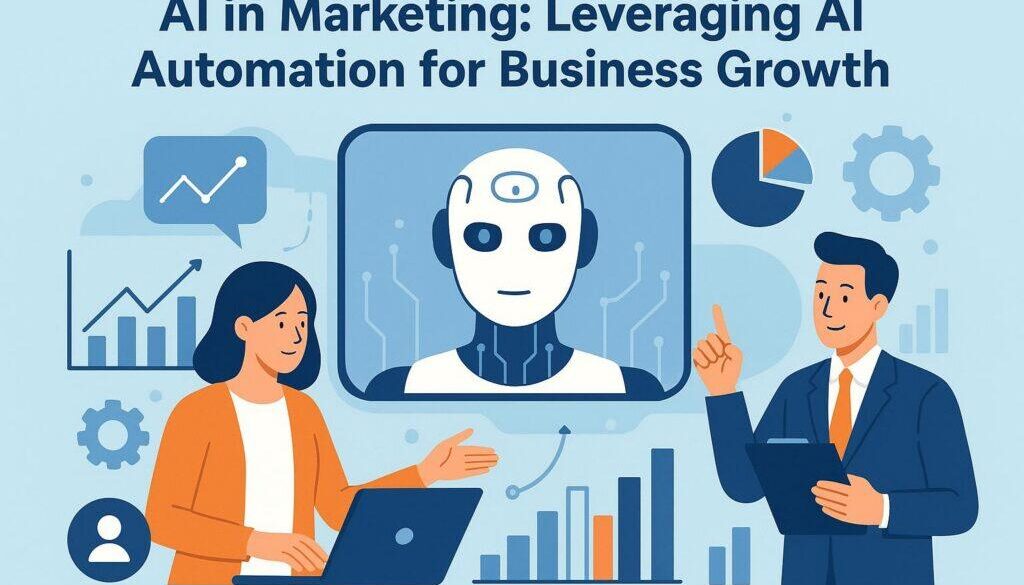
AI in Marketing: Leveraging AI Automation for Business Growth
Introduction
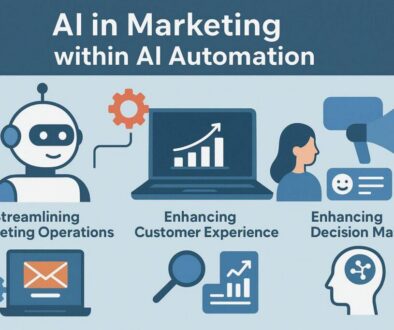
Artificial Intelligence (AI) in marketing refers to the use of advanced algorithms and machine learning techniques to manage, analyze, and optimize marketing processes. In today's fast-paced business environment, the importance of AI automation cannot be overstated; it allows companies to streamline operations, enhance customer experiences, and make informed, data-driven decisions. This article explores the various applications of AI automation in marketing, its benefits, the tools available, real-world case studies, challenges, and future trends.
Understanding AI Automation
What is AI Automation?
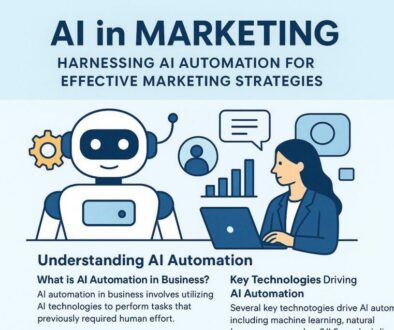
AI automation involves the application of artificial intelligence technologies to perform tasks that were traditionally executed by human effort. This includes the automation of repetitive tasks, data analysis, and customer interaction, which enhances operational efficiency and allows marketing teams to focus on strategic initiatives. As a result, businesses can foster innovation and responsiveness in a dynamic marketplace.
Key Technologies Driving AI Automation in Marketing
Machine Learning
Machine learning is a subset of AI that enables systems to learn and improve from experience without explicit programming. In marketing, it helps organizations analyze vast amounts of data, identifying patterns and insights that inform more effective strategies. By utilizing machine learning, companies can enhance targeting accuracy and understand customer behavior more profoundly.
Natural Language Processing
Natural Language Processing (NLP) allows machines to understand and interpret human language. In marketing, NLP is used in chatbots, voice search optimization, and sentiment analysis, enabling businesses to interact seamlessly with customers in a conversational manner. This technology enhances user experience and provides valuable insights into customer preferences.
Predictive Analytics
Predictive analytics uses historical data and statistical algorithms to forecast future outcomes. In marketing, this technology empowers companies to anticipate customer needs, optimizing campaign strategies and inventory management. By leveraging predictive analytics, businesses can minimize risks and maximize revenue potential.
Benefits of AI in Marketing
Increased Efficiency and Productivity
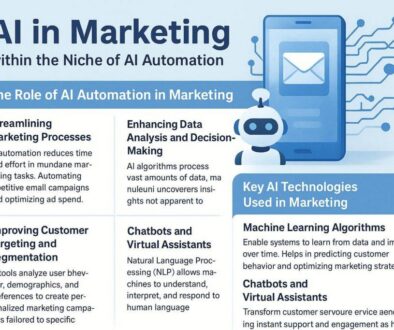
Implementing AI automation leads to a significant increase in efficiency and productivity across marketing teams. By automating repetitive tasks such as data entry and report generation, marketing professionals can allocate their time to more strategic activities. This streamlined approach allows for faster campaign execution and improved workflow.
Enhanced Customer Targeting and Segmentation
AI enables businesses to gain deeper insights into customer behavior and demographics, facilitating highly targeted marketing campaigns. By utilizing AI algorithms for segmentation, marketers can identify niche audiences and tailor their messaging to meet specific needs. This targeted approach not only increases conversion rates but also improves customer satisfaction and loyalty.
Real-Time Data Analysis and Insights
The ability to analyze data in real time is another significant benefit of AI in marketing. Companies can track metrics, campaign performance, and customer interactions instantly. This insight allows marketers to make informed decisions quickly, adjust campaigns on the fly, and seize opportunities that may have otherwise been missed.
Cost Savings and Resource Optimization
By automating tasks, businesses can achieve significant cost savings and optimize the use of their resources. AI reduces the need for extensive personnel in various marketing roles, enabling organizations to reallocate budgets for greater impact. Additionally, AI-driven efficiency helps in decreasing errors and minimizing wasted marketing spend.
AI Automation Tools for Marketing
Overview of Popular AI-Driven Marketing Tools
-
Email Automation Tools: These tools streamline email marketing campaigns, making it possible to send personalized, timely communications to target audiences. With AI, these platforms can analyze open rates and engagement to improve future email strategies.
-
Chatbots and Virtual Assistants: AI-powered chatbots provide immediate customer support, answering queries and guiding users through processes. These tools enhance customer service availability while reducing the workload on human agents.
-
Content Creation and Curation Tools: AI can assist in generating content ideas, optimizing blogs, or even drafting articles based on trending topics. This results in relevant and engaging content that resonates with audiences.
-
Customer Relationship Management (CRM) Systems: AI-driven CRMs provide deeper customer insights, facilitating improved relationship management and enhanced sales strategies. Automated follow-ups and personalized recommendations further optimize the customer journey.
Comparison of Top AI Marketing Platforms
Several AI marketing platforms are making waves in the industry. Companies like HubSpot, Salesforce, and Marketo are at the forefront, providing features that encompass email automation, predictive analytics, and customer engagement tools. Evaluating these platforms based on user experience, cost, and functionality can help businesses choose the right solution to meet their needs.
Case Studies: Successful Implementation of AI in Marketing
Example 1: Brand Using AI for Personalized Marketing Campaigns
A well-known fashion retailer implemented AI-driven analysis to track shopper behavior and preferences. By utilizing machine learning algorithms, the company created personalized marketing messages based on customers’ purchase histories, boosting their conversion rates significantly.
Example 2: Company Improving Customer Service with AI Chatbots
A leading telecommunications company integrated AI chatbots into their customer service strategy, successfully reducing response times and improving customer satisfaction ratings. The chatbots handled inquiries efficiently, allowing human agents to focus on more complex issues.
Example 3: Business Leveraging Predictive Analytics for Sales Forecasting
Through the use of predictive analytics, a major e-commerce site significantly improved its sales forecasting accuracy. By analyzing past sales data, the business could predict upcoming trends and adjust inventory levels accordingly, resulting in reduced overhead costs and increased sales.
Challenges of Implementing AI in Marketing
Data Privacy and Security Concerns
While AI provides numerous benefits, it also raises concerns regarding data privacy and security. Organizations must ensure they comply with regulations like GDPR, implementing robust security measures to protect customer data. Failing to address these concerns can lead to reputational damage and financial penalties.
Integration with Existing Systems
Integrating AI automation with existing marketing platforms can be a complex process. Businesses often face compatibility issues, leading to disruption in operations. A strategic plan for integration, including thorough testing and phased implementation, is essential to mitigate these challenges.
Resistance to Change Within Organizations
Implementing AI can meet with resistance from employees accustomed to traditional methods. Proper training and clear communication about the benefits of AI are crucial to overcoming this resistance and fostering a culture of innovation.
Keeping Up with the Rapid Advancement of AI Technologies
The AI landscape is rapidly evolving, presenting a challenge for companies to stay updated with the latest advancements. Regular training, workshops, and attending industry conferences ensure that marketing teams remain equipped to leverage new AI technologies effectively.
Future Trends in AI Automation in Marketing
Growth of AI Personalization in Marketing Strategies
Personalization is set to become more sophisticated as AI technologies advance. Marketing strategies that leverage AI will increasingly focus on individualized customer experiences, adapting in real-time to consumer behaviors. Brands that prioritize personalization will likely see higher engagement rates and customer loyalty.
Evolution of Voice Search and AI Assistants
With the rapid adoption of voice-activated systems, marketing strategies will need to evolve to account for voice search optimization. AI assistants will play a major role in how consumers search for products, requiring businesses to adapt their SEO strategies to stay relevant.
The Role of AI in Content Marketing
AI tools will continue to shape content marketing, enabling businesses to create more relevant and engaging material. From automating video creation to generating personal ad experiences based on user data, the role of AI in content marketing will expand, pushing boundaries of creativity and effectiveness.
Conclusion
In summary, AI automation is a transformative force in marketing, providing businesses with the tools they need to enhance efficiency, improve customer engagement, and optimize resources. Organizations that adopt AI-driven approaches position themselves for competitive advantage in the marketplace. It is crucial for businesses to explore and incorporate AI tools to ensure they thrive in an increasingly digital world.