Harnessing AI in Marketing: Transforming Strategies through Automation and Personalization
AI in Marketing within the AI Automation Niche
I. Introduction
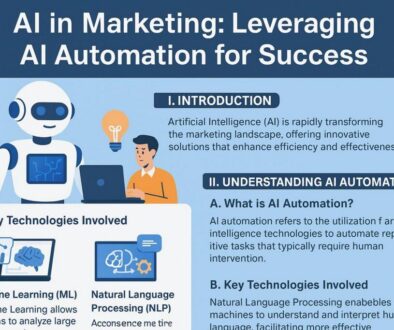
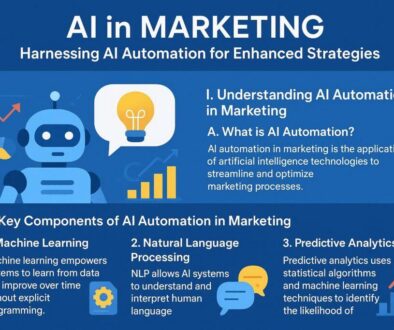
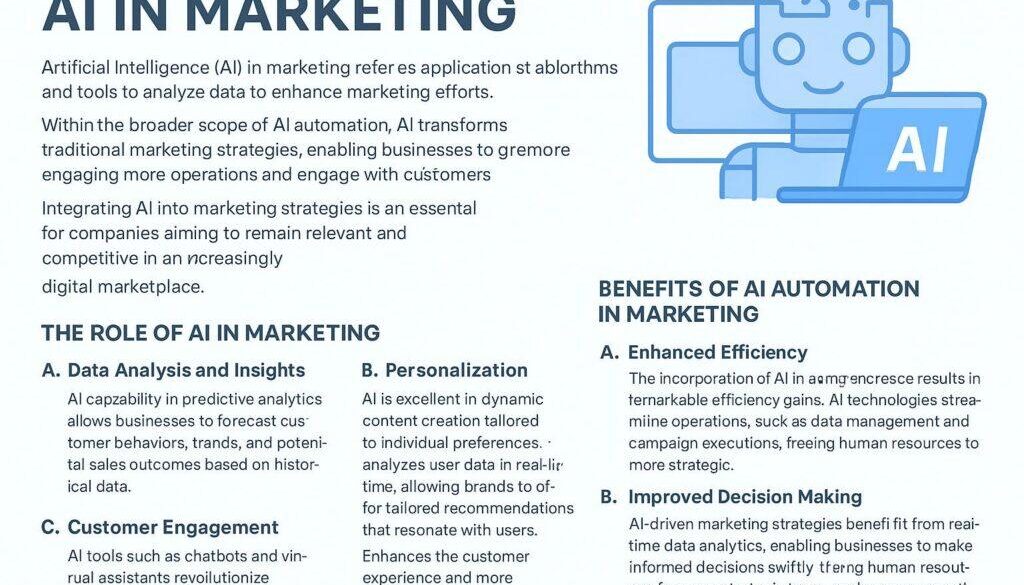
Artificial Intelligence (AI) in marketing refers to the application of sophisticated algorithms and tools that analyze data to enhance marketing efforts. Within the broader scope of AI automation, AI transforms traditional marketing strategies, enabling businesses to streamline operations and engage with customers more effectively. Integrating AI into marketing strategies is no longer optional; it’s essential for companies aiming to remain relevant and competitive in an increasingly digital marketplace.
II. The Role of AI in Marketing
A. Data Analysis and Insights
AI’s capability in data analysis is one of its most significant contributions to marketing. Predictive analytics allows businesses to forecast customer behaviors, trends, and potential sales outcomes based on historical data. Furthermore, AI-powered customer segmentation organizes audiences into specific groups, enhancing targeted marketing efforts.
B. Personalization
Personalization is crucial for customer satisfaction and retention, and AI excels in delivering dynamic content creation tailored to individual preferences. AI analyzes user data in real-time, allowing brands to offer tailored recommendations that resonate with users. This targeted approach not only enhances the customer experience but also significantly boosts conversion rates.
C. Customer Engagement
In an age where customer engagement is paramount, AI tools like chatbots and virtual assistants have revolutionized interaction strategies. These technologies provide round-the-clock support, addressing customer inquiries promptly and effectively. Additionally, automated email marketing campaigns can nurture leads by delivering personalized content at key stages of the customer journey, thus improving engagement rates.
III. Benefits of AI Automation in Marketing
A. Enhanced Efficiency
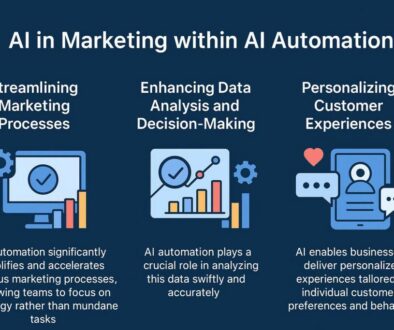
The incorporation of AI in marketing processes results in remarkable efficiency gains. AI technologies streamline a variety of operations such as data management and campaign executions, freeing human resources for more strategic tasks. Reducing manual workload through automation allows teams to focus on innovation rather than repetitive tasks.
B. Improved Decision Making
AI-driven marketing strategies benefit from real-time data analytics, enabling businesses to make informed decisions swiftly. By leveraging AI tools, marketers can optimize campaigns based on ongoing performance data, which enhances overall effectiveness and adaptability. This data-centric approach guarantees that marketing efforts are aligned with customer preferences and market trends.
C. Cost Reduction
Investing in AI automation can significantly lower operational costs across marketing functions. AI tools eliminate inefficiencies that often lead to unnecessary expenditures, providing a higher ROI on marketing budgets. As companies harness the power of AI, they are likely to see marked improvements in performance metrics and financial results.
IV. Key Technologies Behind AI in Marketing
A. Machine Learning
At the core of AI in marketing lies machine learning, which relies on algorithms that predict consumer behavior and preferences. By analyzing large datasets, these algorithms recognize patterns that can inform marketing strategies. As machine learning algorithms continue to evolve, they become more adept at providing insights that drive effective marketing decisions.
B. Natural Language Processing
Natural Language Processing (NLP) is another pivotal technology utilized in AI marketing. It enables machines to understand and interpret human language, allowing brands to gauge customer inquiries and sentiments efficiently. NLP facilitates personalized interactions, enhancing customer experiences by providing instant responses to various communications.
C. Image and Video Recognition
Image and video recognition technologies have changed the landscape of visual content marketing. These tools analyze visual data to assess brand engagement levels across platforms. By understanding how consumers interact with visual content, marketers can create more compelling campaigns.
V. Challenges of Implementing AI in Marketing
A. Data Privacy Concerns
Despite its benefits, the implementation of AI in marketing faces significant challenges, particularly regarding data privacy. Compliance with regulations such as GDPR and CCPA is crucial to maintain customer trust and avoid legal repercussions. Brands must navigate these complexities when deploying AI tools, ensuring they uphold ethical standards in data usage.
B. Integration with Existing Systems
Integrating AI solutions with existing systems presents another challenge for marketers. Compatibility issues may arise, requiring significant investments in system upgrades or replacements. A seamless transition to AI-driven marketing strategies necessitates thorough planning and technical expertise.
C. Skills Gap in Workforce
One of the most pressing issues in AI implementation is the skills gap that exists in the current workforce. Training employees to leverage AI tools effectively requires time and resources. Businesses need to invest in continuous education to equip their teams with the knowledge necessary to harness AI for marketing success.
VI. Case Studies
A. Successful AI Marketing Campaigns
Numerous companies have successfully leveraged AI for effective marketing campaigns. For instance, personalized email campaigns powered by AI have seen remarkable success in engaging customers by delivering relevant content. Similarly, targeted social media ads created with AI insights have driven significant traffic and conversion rates for brands.
B. Lessons Learned from Failures
Not all AI marketing efforts yield success, and several brands have encountered pitfalls during implementation. Learning from these failures can be invaluable; understanding why certain campaigns did not resonate helps refine future strategies and prevent similar mistakes.
VII. Future Trends in AI Marketing Automation
A. Evolution of AI Technologies
As AI technologies continue to evolve, their implications for marketing will expand substantially. Innovations in machine learning, data analysis, and customer engagement tools will define the future landscape of marketing. Staying attuned to developments is essential for marketers seeking a competitive edge.
B. Increased Focus on Ethical AI
There’s a growing awareness and emphasis on ethical AI practices. Companies are increasingly prioritizing the responsible use of data and AI technologies to create trustworthy marketing practices. Ethical considerations will play a vital role in brand perception and customer relationships moving forward.
C. The Growing Role of AI in Omnichannel Marketing Strategies
The integration of AI into omnichannel marketing strategies will continue to rise. As consumers engage with brands across various touchpoints, AI will help deliver cohesive and personalized experiences. This seamless interaction will be key to fostering customer loyalty and driving sales.
VIII. Conclusion
In conclusion, the importance of AI in marketing cannot be overstated. Businesses that embrace AI automation stand to gain a significant competitive advantage by enhancing efficiency, personalizing experiences, and improving decision-making processes. As technology continues to advance, organizations should proactively explore and integrate AI solutions into their marketing strategies to stay ahead of the curve.