
AI Automation in Marketing: Revolutionizing Strategies for Enhanced Customer Engagement and ROI
AI in Marketing: Revolutionizing Strategies through AI Automation
Introduction
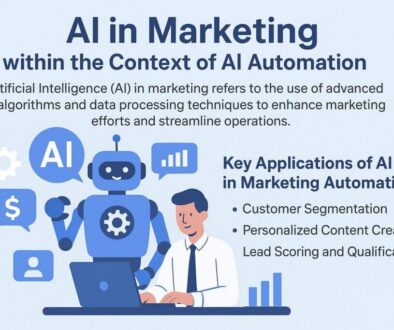
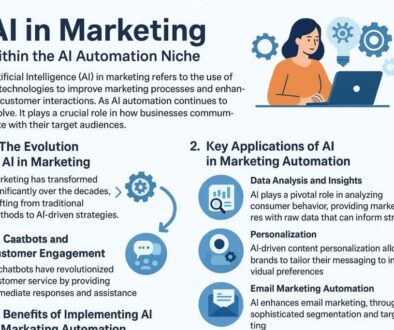
Artificial Intelligence (AI) in marketing represents the integration of advanced algorithms and data analytics to enhance marketing efforts. The rise of AI automation in this domain is not just a trend but a fundamental shift that enables marketers to understand and engage their audience more effectively. As we step into 2023, key trends illustrate how AI is reshaping marketing strategies across various industries, highlighting its pivotal role in personalizing customer experiences and streamlining marketing processes.
How AI Automation Transforms Marketing Strategies
Personalization
AI automation is revolutionizing personalization by harnessing vast amounts of data to create targeted marketing campaigns. By analyzing consumer behavior and preferences, marketers can craft messages that resonate with specific segments of their audience. Additionally, dynamic content generation powered by AI allows brands to adjust their promotional material in real time, ensuring that customers receive highly relevant content tailored to their interests.
Predictive Analytics
Predictive analytics has become an essential tool in marketing, thanks to AI's capability to forecast customer behavior accurately. By analyzing historical data, AI can identify patterns and trends that inform strategic decisions, helping brands understand which products or services may appeal most to their customers. This not only aids in optimizing marketing spending but also maximizes return on investment (ROI) through targeted advertising.
Automated Customer Interactions
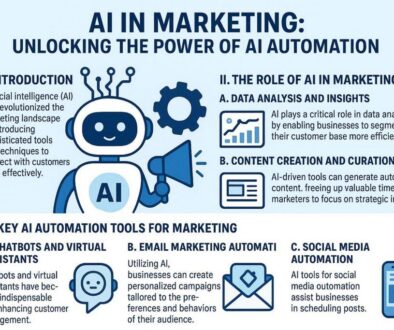
Automated customer interactions are revolutionizing customer service and support through the use of chatbots and virtual assistants. These AI-driven tools provide immediate responses to customer inquiries, enhancing the overall experience. Furthermore, email automation and segmentation enable marketers to deliver timely, relevant content to their audience, improving engagement rates and building stronger customer relationships.
Tools and Technologies for AI in Marketing
AI-Powered CRM Systems
AI-powered Customer Relationship Management (CRM) systems are essential for modern marketers seeking to leverage AI in their strategies. These systems utilize advanced algorithms for lead scoring and prioritization, allowing companies to focus their efforts on the most promising prospects. Moreover, AI-enhanced customer segmentation and insights enable marketers to tailor their offerings precisely to meet the needs of different consumer groups.
Content Generation Tools
Natural Language Processing (NLP) applications are transforming content generation by enabling the creation of high-quality written content at scale. Marketers can use these tools for everything from product descriptions to blog posts, significantly reducing the time spent on content creation. Additionally, automated content curation helps marketers stay relevant by providing them with the latest industry news and trends, ensuring their audience remains engaged.
Social Media Automation Tools
Social media has become a marketing juggernaut, and AI-driven tools are enhancing this landscape through automation. These platforms allow marketers to schedule and post content efficiently, maximizing their reach without constant manual intervention. AI also plays a crucial role in sentiment analysis and engagement tracking, helping brands gauge public perception and adjust their strategies accordingly.
Benefits of Using AI Automation in Marketing
Increased Efficiency
One of the most significant advantages of AI automation in marketing is the boost in efficiency it provides. By automating repetitive tasks, such as data entry and reporting, marketers can devote more time to strategic planning and creative pursuits. This enhanced workflow automation leads to faster implementation of marketing strategies and a more streamlined approach to audience engagement.
Improved ROI
Leveraging AI automation can significantly improve ROI by enhancing targeting and conversion rates. Marketers can identify the most effective channels and messages, ensuring that promotional efforts yield higher returns. Additionally, reduced customer acquisition costs become possible when brands use data-driven insights to optimize their marketing strategies, making every marketing dollar count.
Enhanced Customer Experience
AI automation contributes to a more personalized and timely customer experience, which is crucial in today’s fast-paced digital landscape. By delivering relevant communications based on individual preferences and behavior, brands can nurture stronger relationships with their customers. This results in higher satisfaction and retention rates, ultimately driving long-term business growth.
Challenges and Considerations
Data Privacy Concerns
With heightened scrutiny surrounding data privacy, businesses must navigate compliance with regulations when implementing AI solutions. Transparency in data usage is essential to build trust with consumers who are increasingly aware of how their information is handled. Marketers need to establish clear policies that protect consumer privacy while still leveraging data effectively.
Integration with Existing Systems
Integrating AI automation tools with existing marketing systems can pose challenges, primarily concerning tech stack compatibility. Organizations must assess their current technologies and ensure seamless integration to maximize the benefits of AI. Moreover, employee training and buy-in are critical to overcoming resistance and ensuring that all staff members can effectively utilize these new systems.
Dependence on Technology
As businesses become more reliant on AI, finding the right balance between automation and the human touch is essential. While AI can streamline processes, it's vital to retain personal interaction, especially in customer service roles. Addressing potential job displacement and fostering a culture that embraces technology as a complement to human capabilities will be crucial for long-term success.
Future of AI in Marketing
Emerging Trends to Watch
As technology evolves, several key trends in AI marketing are set to reshape the landscape. The integration of voice and visual search is becoming increasingly important, allowing brands to cater to a variety of consumer preferences. Additionally, advanced machine learning algorithms will enhance the precision of AI tools, generating deeper insights into consumer behavior.
Impact of Evolving Consumer Behavior
Adapting marketing strategies to evolving consumer behavior will be essential in the coming years. Preferences shift quickly, and brands must remain agile in their approaches. AI will play a vital role in omnichannel marketing, helping businesses to create cohesive experiences across multiple platforms, ultimately driving customer loyalty and satisfaction.
Conclusion
The impact of AI on marketing is profound and transformative, as businesses leverage automation to enhance their strategies and connect with consumers more effectively. Embracing AI automation is no longer a choice but a necessity for companies looking to thrive in an increasingly competitive marketplace. As the landscape continues to evolve, businesses should explore AI solutions that can drive innovation and growth, ensuring they remain at the forefront of the marketing revolution.