AI Automation in Marketing: Revolutionizing Strategies for Enhanced Efficiency and Personalization
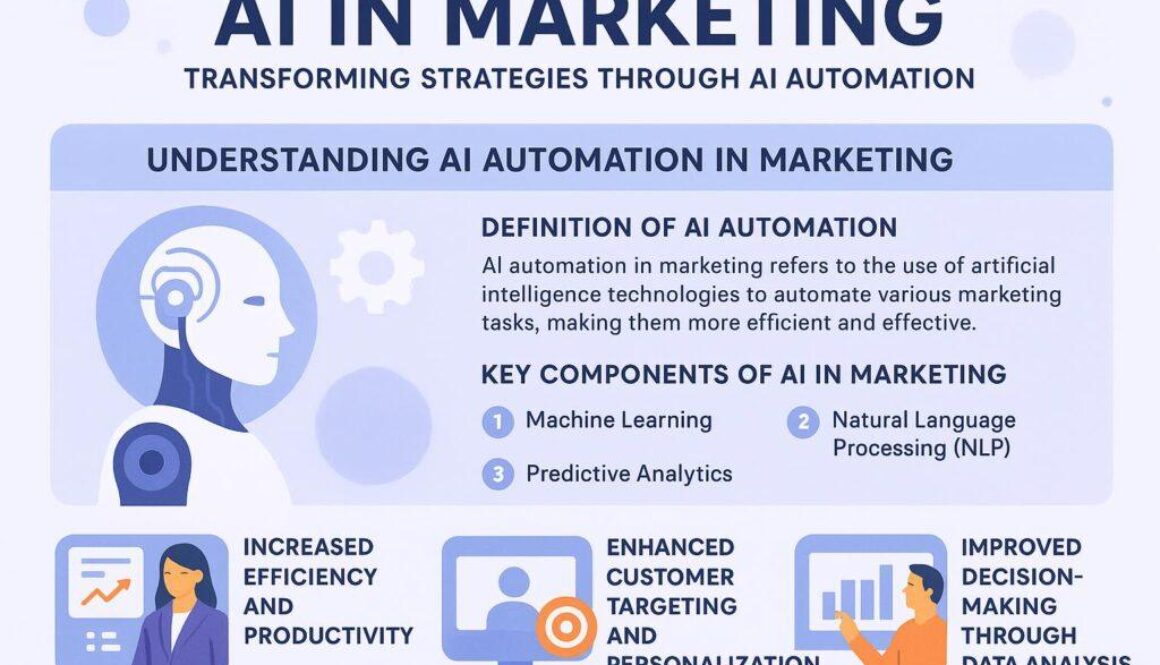
AI in Marketing: Transforming Strategies through AI Automation
I. Introduction
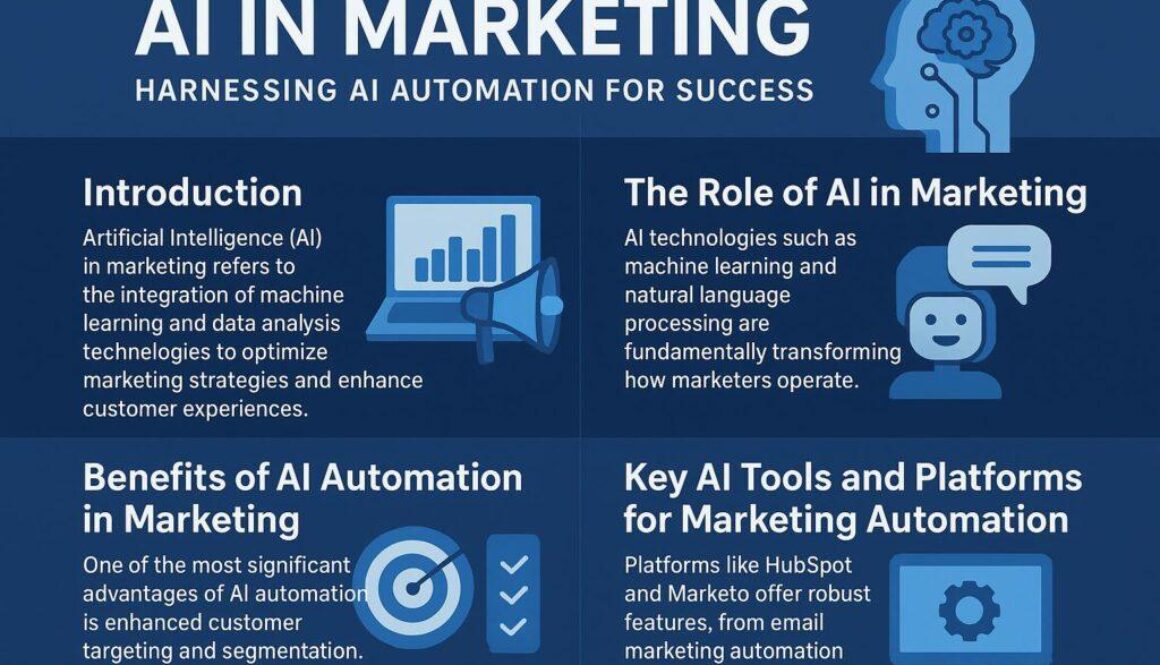
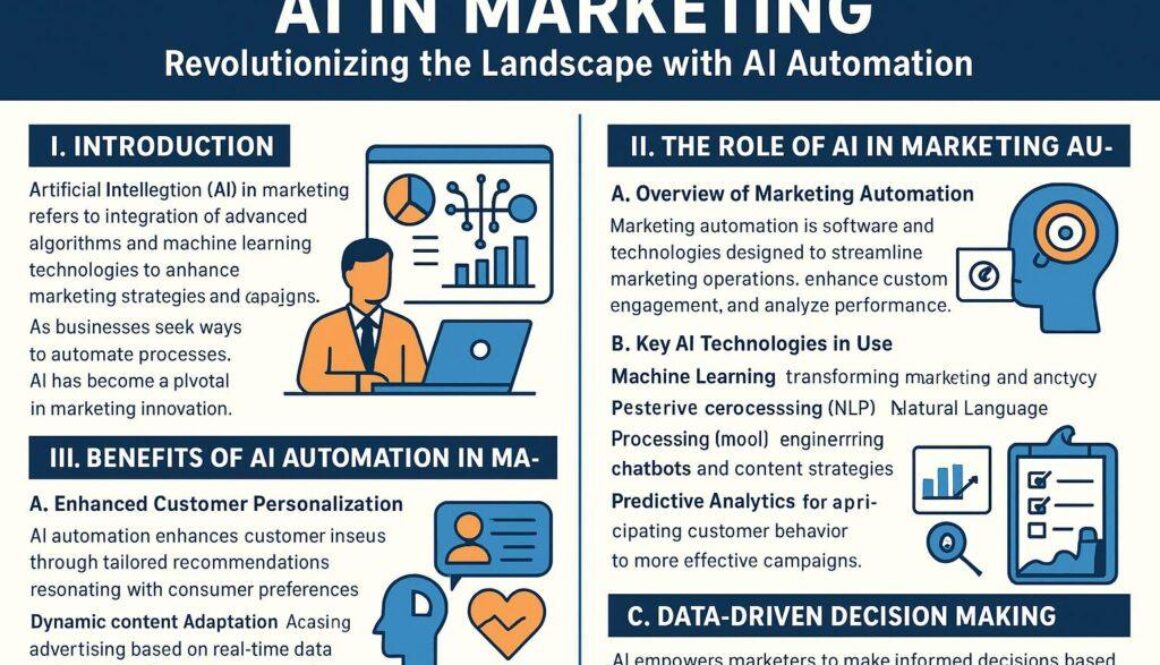
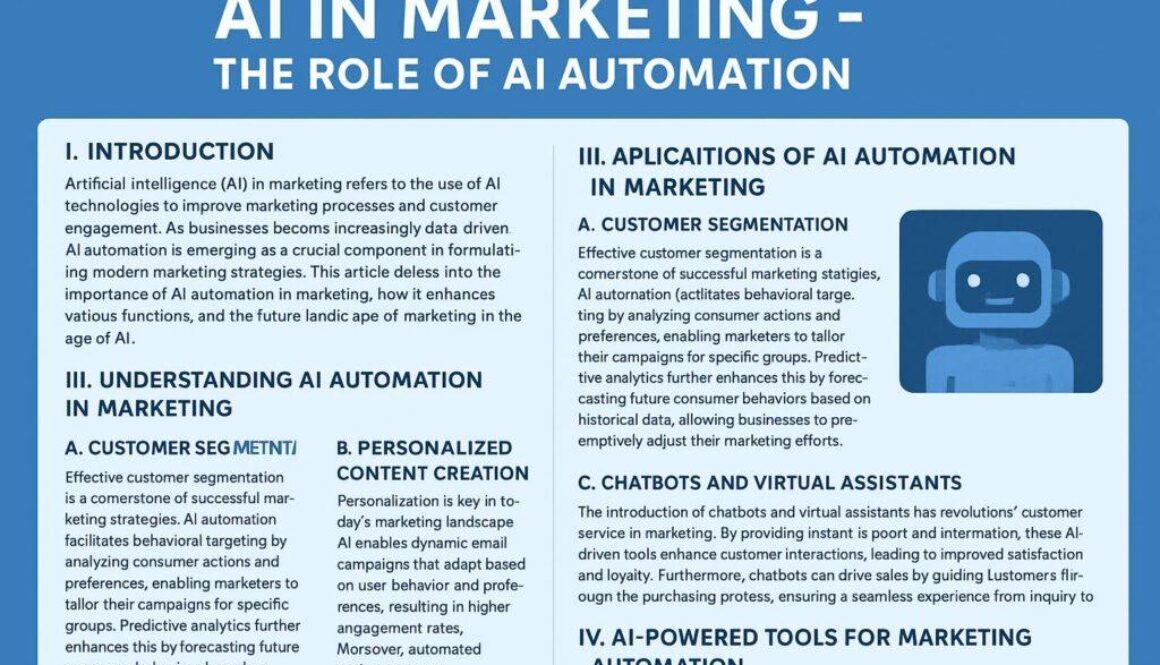
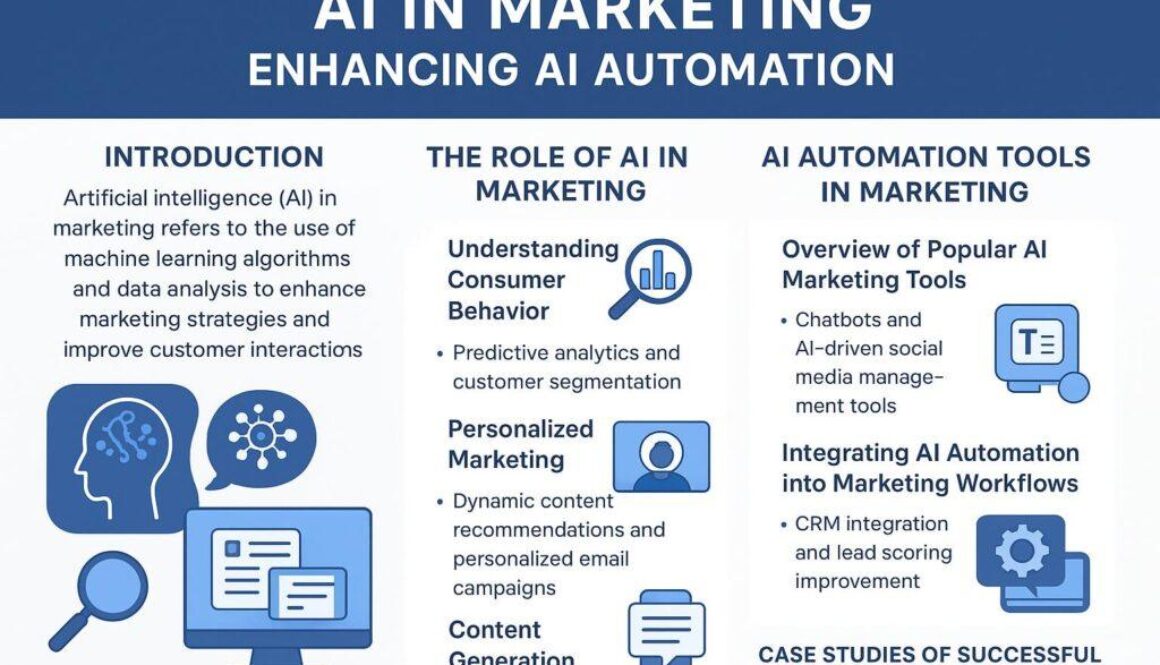
Artificial Intelligence (AI) is revolutionizing the marketing landscape by introducing advanced methodologies that enhance overall effectiveness. As companies seek to optimize their marketing strategies, AI automation plays a pivotal role by streamlining processes and improving interactions with customers. This article aims to dissect the impact of AI automation in marketing, highlighting its benefits, applications, challenges, and future trends.
II. Understanding AI Automation in Marketing
A. Definition of AI Automation
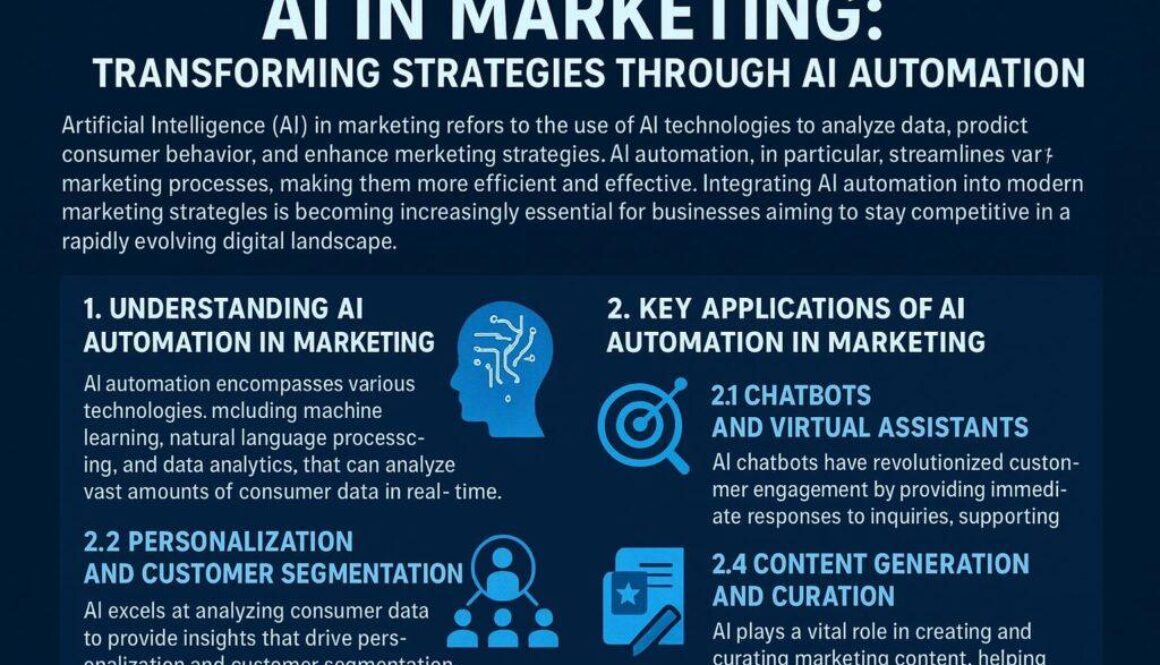
AI automation in marketing refers to the use of artificial intelligence technologies to automate various marketing tasks, making them more efficient and effective. This includes utilizing algorithms and machine learning models to process large datasets, predict customer behavior, and optimize marketing campaigns. By integrating AI into marketing, companies can enhance their performance while minimizing human intervention in repetitive tasks.
B. Key Components of AI in Marketing
-
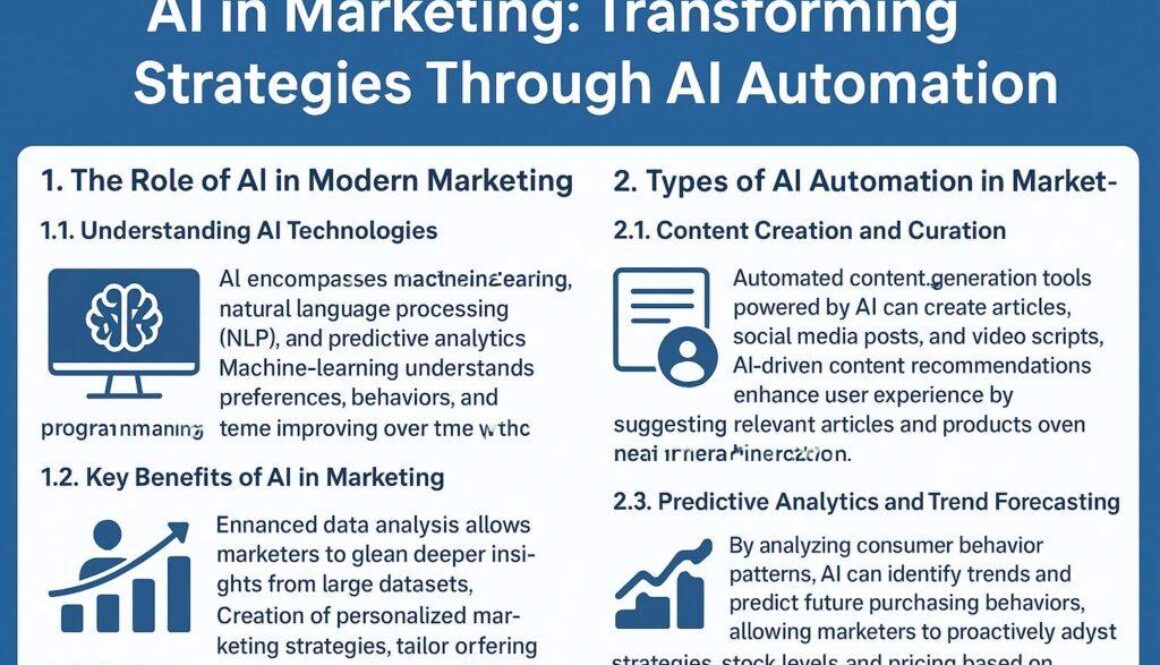
Machine Learning: At its core, machine learning allows computers to learn from data and make predictions or decisions without explicit programming. It enables marketing teams to analyze patterns in customer data, providing insights that drive campaign strategies.
-
Natural Language Processing (NLP): NLP empowers machines to understand and interpret human language, enabling more personalized and relevant communication with customers. This technology is widely used in chatbots and voice assistants, facilitating improved customer engagement.
-
Predictive Analytics: This component harnesses statistical algorithms and machine learning techniques to identify the likelihood of future outcomes based on historical data. Predictive analytics helps marketers to forecast customer preferences and optimize their campaigns accordingly, ensuring a higher ROI.
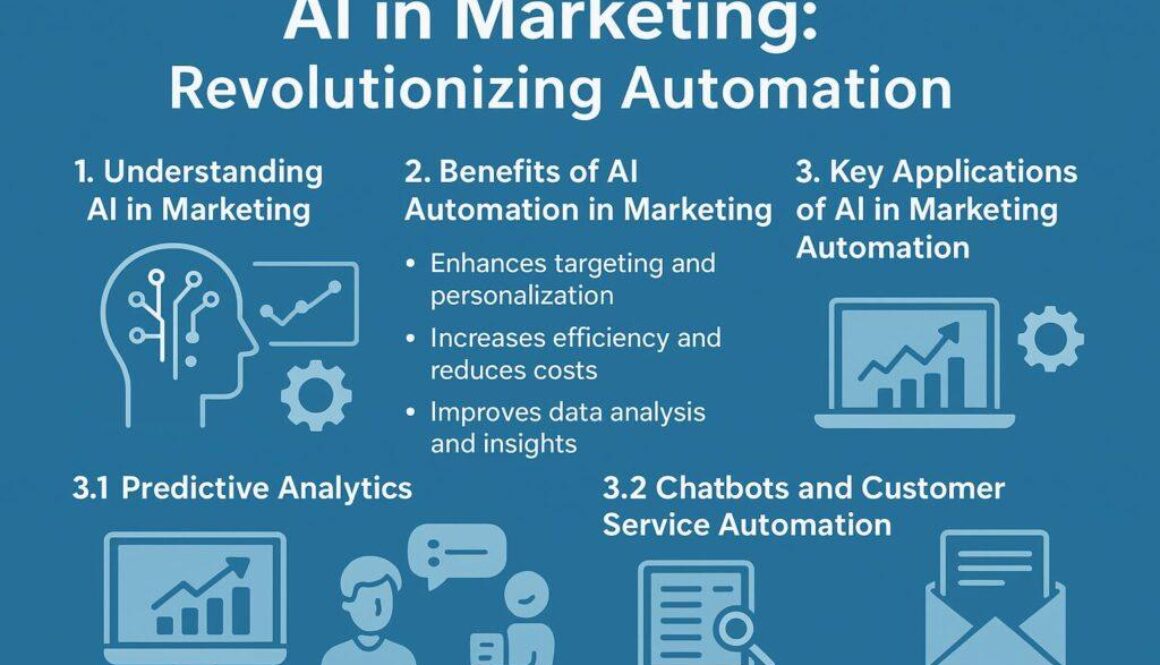
III. Benefits of AI Automation in Marketing
A. Increased Efficiency and Productivity
AI automation significantly enhances productivity by automating routine tasks such as data entry and analysis. This allows marketing professionals to focus on strategic initiatives and creative processes rather than getting bogged down by mundane responsibilities. Consequently, organizations can achieve better results in less time.
B. Enhanced Customer Targeting and Personalization
AI enables marketers to segment their audience more effectively and deliver personalized content tailored to individual preferences. By analyzing consumer behavior and preferences, AI systems can optimize ad placements, ensuring that the right message reaches the right audience at the right time. This level of personalization can lead to increased engagement and conversion rates.
C. Improved Decision-Making through Data Analysis
With the vast amounts of data generated daily, AI provides marketers with sophisticated analysis tools. It allows for swift interpretation of complex datasets, enabling data-driven decision-making that is crucial for staying competitive in today's market. By leveraging insights derived from AI, businesses can formulate better strategies and adapt to changing consumer needs rapidly.
D. Cost-Effectiveness and Resource Management
Investing in AI automation can lead to significant cost savings in the marketing budget. By optimizing processes and reducing the need for extensive manpower, companies can allocate resources more efficiently, minimizing waste. This cost-effectiveness makes AI an attractive option for businesses seeking to maximize their marketing efforts while maintaining a sustainable budget.
IV. Applications of AI in Marketing
A. Data Analysis and Insights
1. Customer Behavior Analysis
AI algorithms can analyze extensive datasets to identify patterns in customer behavior. Understanding these patterns helps marketers to create tailored marketing strategies that cater to specific audience segments. This insight leads to improved customer satisfaction and loyalty.
2. Market Trend Prediction
With predictive analytics, AI can discern shifts in market trends, allowing businesses to stay ahead of the competition. By recognizing emerging trends, companies can adapt their strategies proactively, ensuring they leverage new opportunities effectively.
B. Social Media Marketing Automation
1. Content Scheduling and Optimization
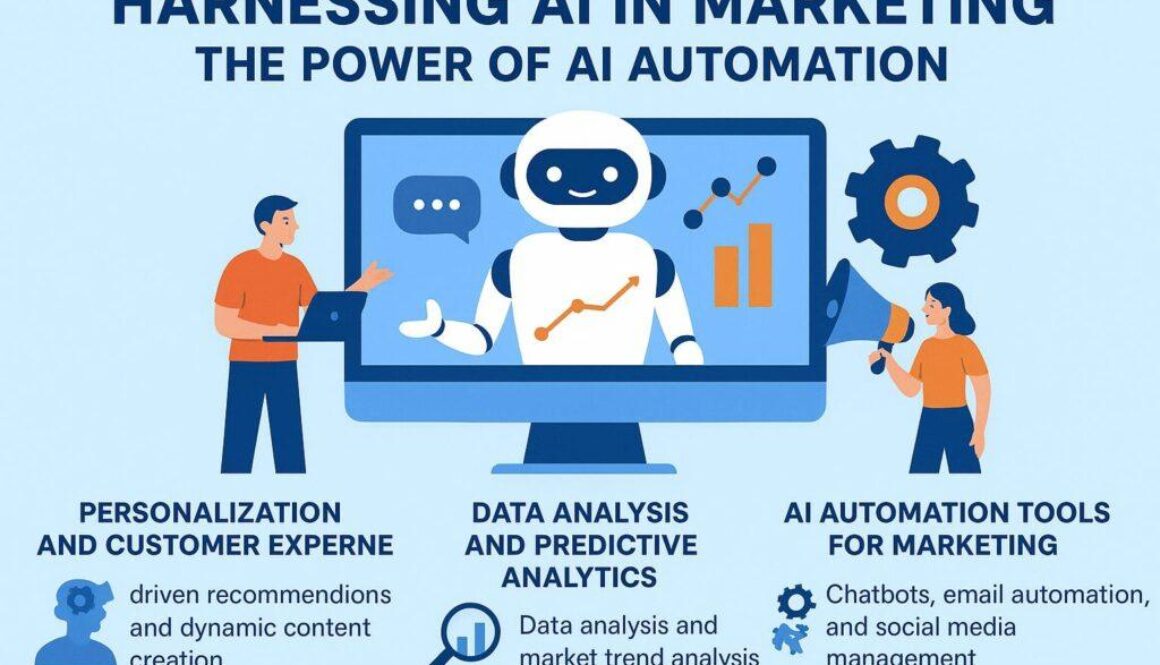
AI tools streamline social media management by automating content scheduling and optimizing posts based on best-performing times and formats. This not only saves time but also enhances engagement rates effectively.
2. Sentiment Analysis
AI can analyze social media conversations and feedback, providing insights into customer sentiments toward brands and products. Understanding customer feelings helps businesses refine their messaging and improve public relations strategies.
C. Email Marketing Automation
1. Personalization of Email Campaigns
AI assists marketers in creating highly personalized email marketing campaigns by analyzing user behavior and preferences. Tailored content increases the likelihood of higher open and click-through rates, driving better campaign performance.
2. A/B Testing and Optimization
With AI, companies can automate A/B testing processes to determine which campaigns perform best. This allows for real-time adjustments and improvements, ultimately enhancing the effectiveness of marketing initiatives.
D. Chatbots and Customer Service Automation
1. Increasing Engagement
AI-powered chatbots engage customers by providing instantaneous responses to queries, significantly enhancing user experience. This level of engagement boosts customer satisfaction and encourages users to interact more frequently with brands.
2. 24/7 Support Capabilities
Chatbots are available round the clock, providing customer support at any time, which is essential for businesses that operate across different time zones. This level of availability improves customer retention and ensures that assistance is always at hand.
V. Challenges of Implementing AI Automation in Marketing
A. Data Privacy Concerns
As data handling becomes increasingly automated, ensuring data privacy poses a significant challenge. Companies must navigate complex regulations and consumer expectations while utilizing customer data for AI applications to avoid repercussions.
B. Knowledge and Expertise Gap
A shortage of skilled professionals knowledgeable in AI technologies can hinder effective implementation. Companies need to invest in training or hire specialists to bridge this knowledge gap if they want to successfully leverage AI automation in marketing.
C. Integration with Existing Systems
Implementing AI automation may require substantial changes to current marketing systems and processes. Ensuring compatibility between AI tools and existing technology can be a complex undertaking that demands careful planning and execution.
D. Cost of Implementation
While AI can lead to long-term savings, the initial investment can be substantial. Marketing teams must evaluate the costs associated with acquiring AI tools and resources against the expected benefits carefully to make informed budgeting decisions.
VI. Future Trends of AI in Marketing
A. Emerging Technologies in AI Automation
The landscape of AI innovation is constantly evolving, with new technologies regularly emerging. Staying informed about these advancements enables marketers to leverage the latest tools and methodologies, ensuring their strategies remain cutting edge.
B. The Role of AI in Predictive Analytics and Customer Experience
As AI technology continues to advance, its role in predictive analytics will deepen, enabling even more precise insights into consumer behavior. This progress will enhance not only marketing efficacy but also the overall customer experience, offering users tailored interactions at every touchpoint.
C. Ethical Considerations in AI Marketing
With the integration of AI in marketing, ethical considerations surrounding data usage and consumer privacy will remain at the forefront. Marketers must navigate these concerns responsibly to build trust and maintain strong relationships with their audiences.
VII. Case Studies of Successful AI Automation in Marketing
A. Analysis of Companies Leveraging AI
Several companies have successfully integrated AI into their marketing strategies, resulting in remarkable achievements. These case studies provide valuable insights into how AI automation can transform marketing performance and drive growth.
B. Lessons Learned from AI Marketing Strategies
By examining the successes and challenges encountered by these organizations, other businesses can gain inspiration and learn what approaches to avoid or emulate in their own AI strategies.
C. Results Achieved through AI Automation
The effective use of AI automation has led to tangible results, such as increased sales, better customer engagement, and enhanced loyalty. Understanding these outcomes enables businesses to justify their investments in AI technologies.
VIII. How to Get Started with AI Automation in Your Marketing Strategy
A. Identifying Suitable AI Tools and Platforms
The first step in incorporating AI into marketing is identifying the right tools and platforms that align with business goals. Companies should evaluate available options based on their specific marketing needs and resources.
B. Developing an AI Implementation Plan
Creating a comprehensive plan for AI integration is crucial. This plan should outline the objectives, timelines, and measurable outcomes to ensure a smooth transition into AI automation.
C. Training Teams and Building a Data-Driven Culture
To maximize the potential of AI, organizations must invest in training their teams and fostering a culture that prioritizes data-driven decisions. This culture encourages innovation and ensures that teams are equipped to utilize AI effectively.
IX. Conclusion
AI automation stands as a transformative force in modern marketing, offering numerous benefits that can enhance efficiency, personalization, and decision-making. As businesses look to the future, embracing AI strategies will be essential for growth and competitiveness in an increasingly digital marketplace. Marketers are encouraged to explore AI solutions actively, capitalizing on its potential to elevate their marketing efforts.