Revolutionizing Marketing: The Power of AI Automation for Enhanced Customer Engagement and Efficiency
AI in Marketing: Revolutionizing the Future with AI Automation
Introduction
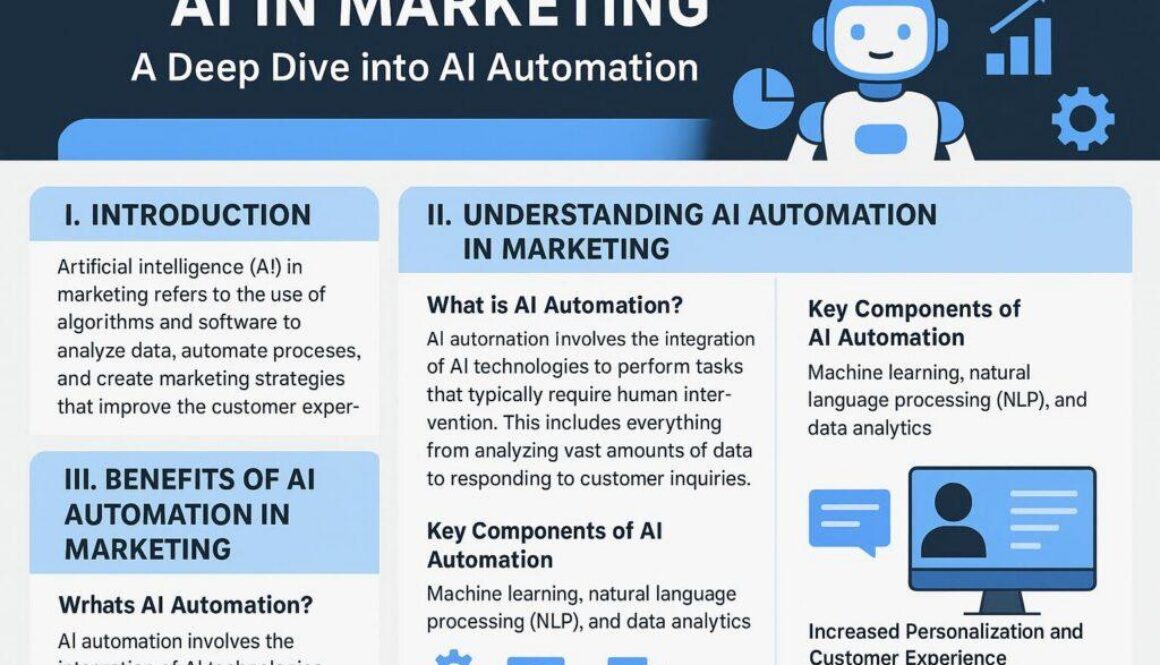
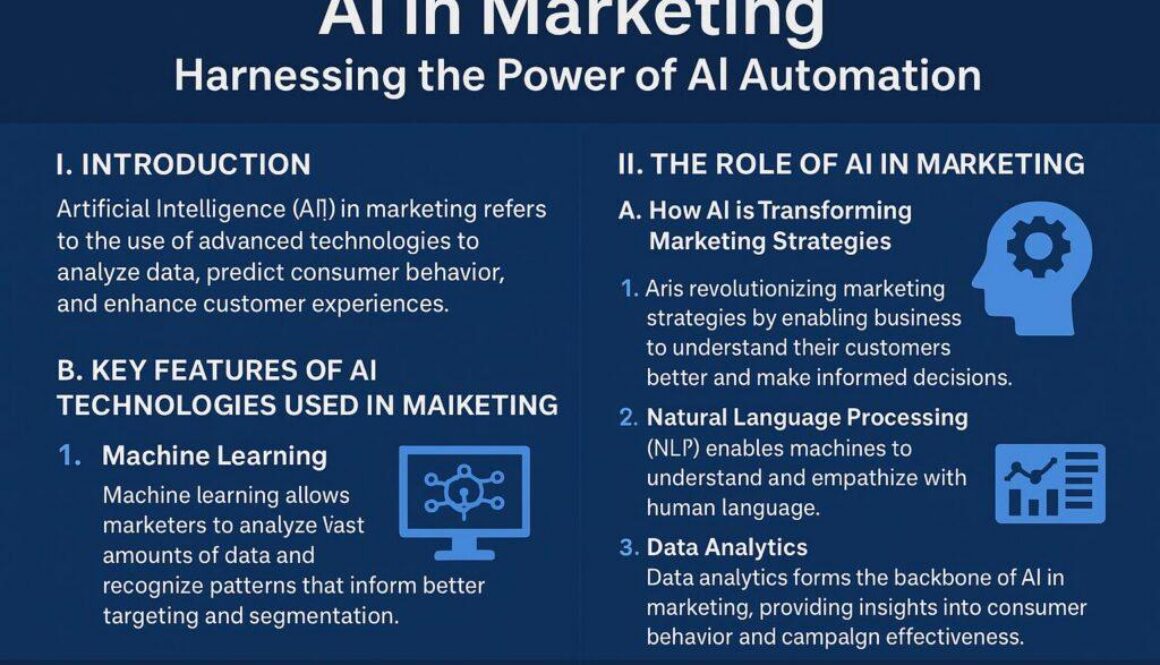
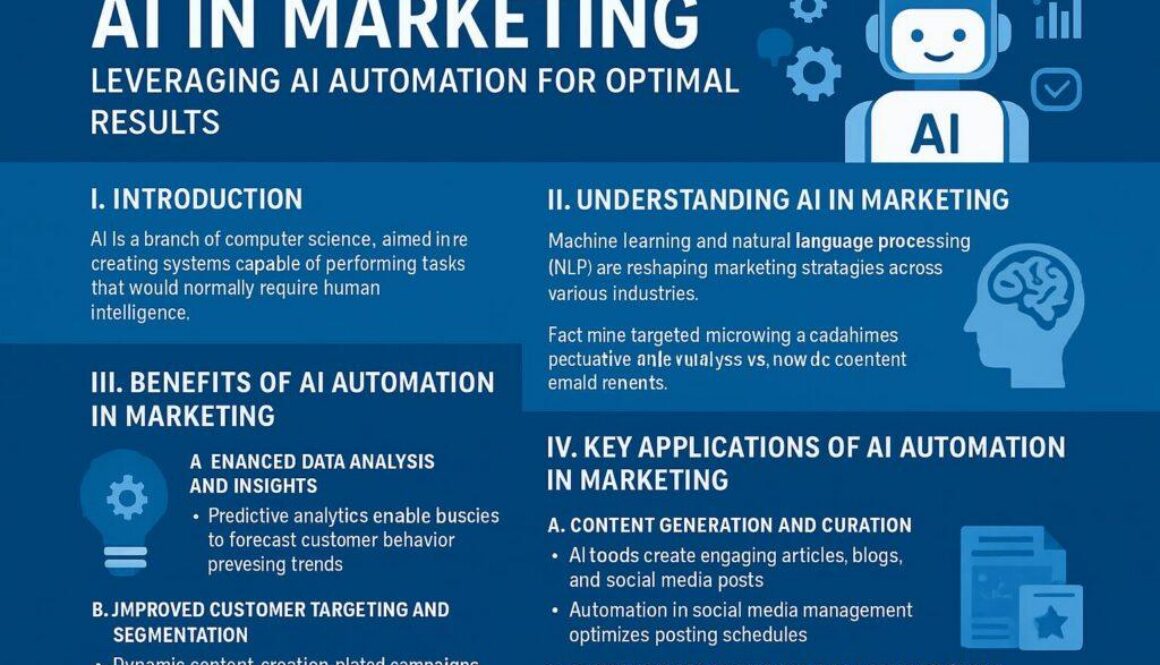
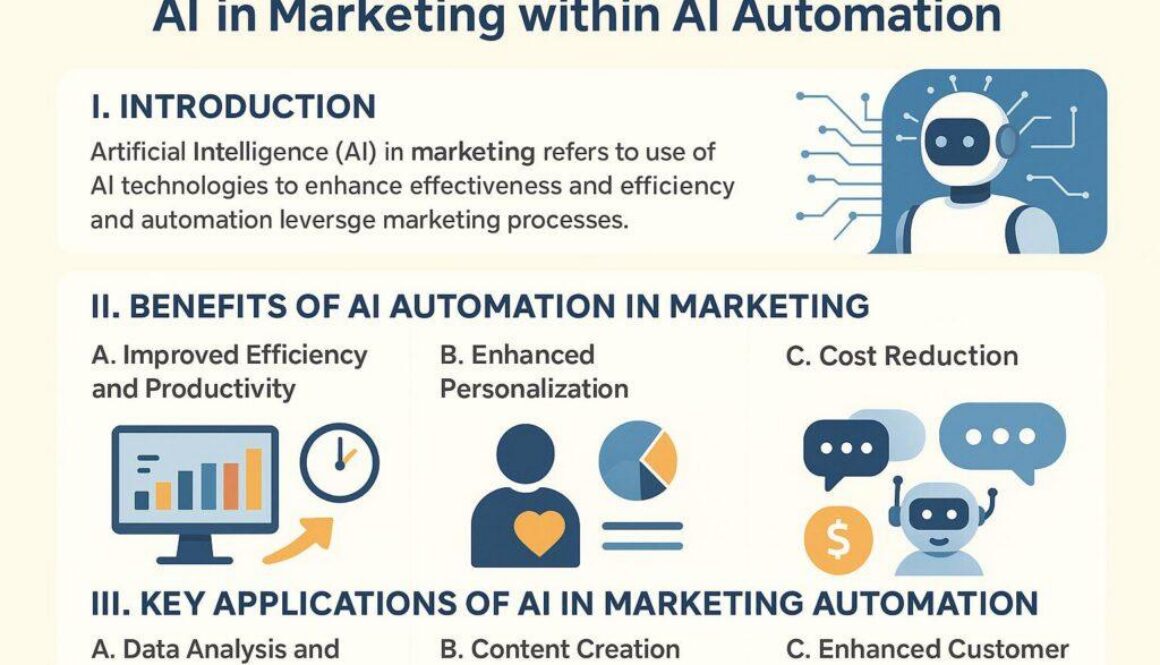
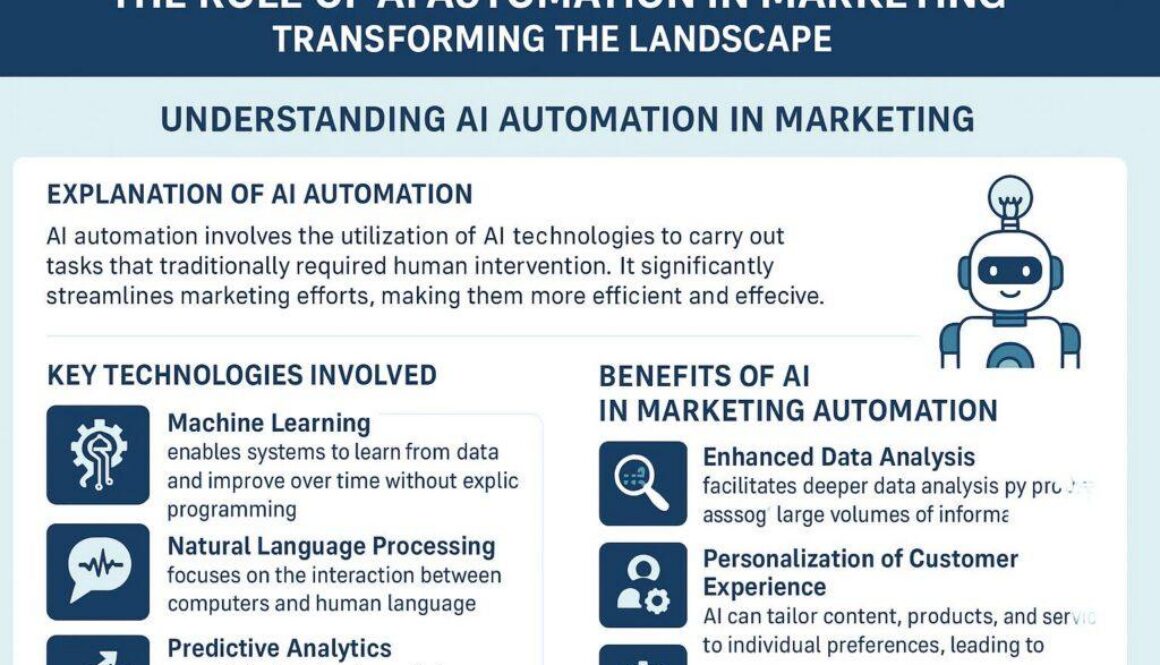
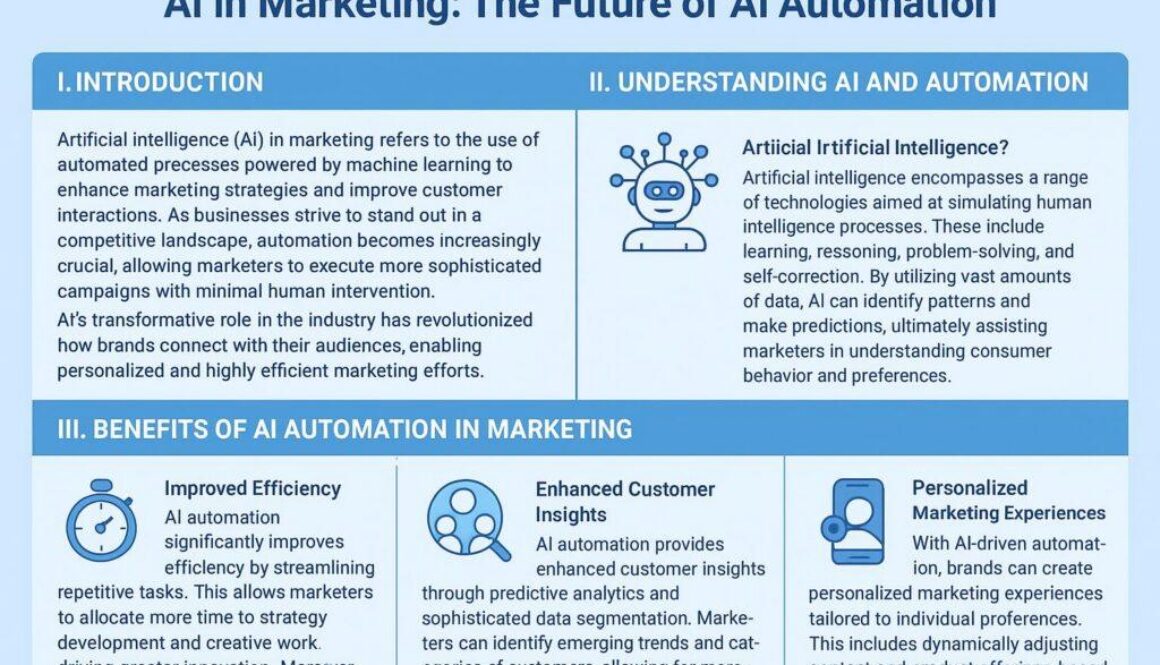
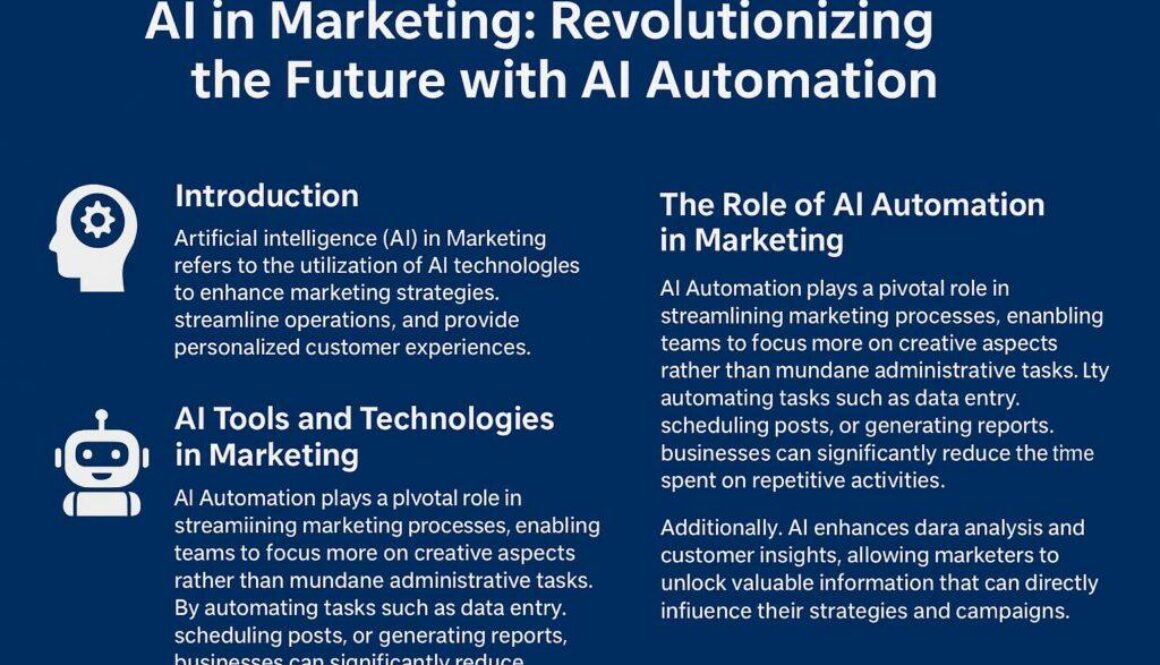
Artificial Intelligence (AI) in Marketing refers to the utilization of AI technologies to enhance marketing strategies, streamline operations, and provide personalized customer experiences. Within the broader context of AI Automation in business, this approach allows companies to leverage data-driven insights, automate repetitive tasks, and improve overall operational efficiency. As the marketing landscape becomes increasingly competitive, the importance of AI Automation cannot be overstated; it offers unique advantages that can propel brands toward success in a digital-first world.
The Role of AI Automation in Marketing
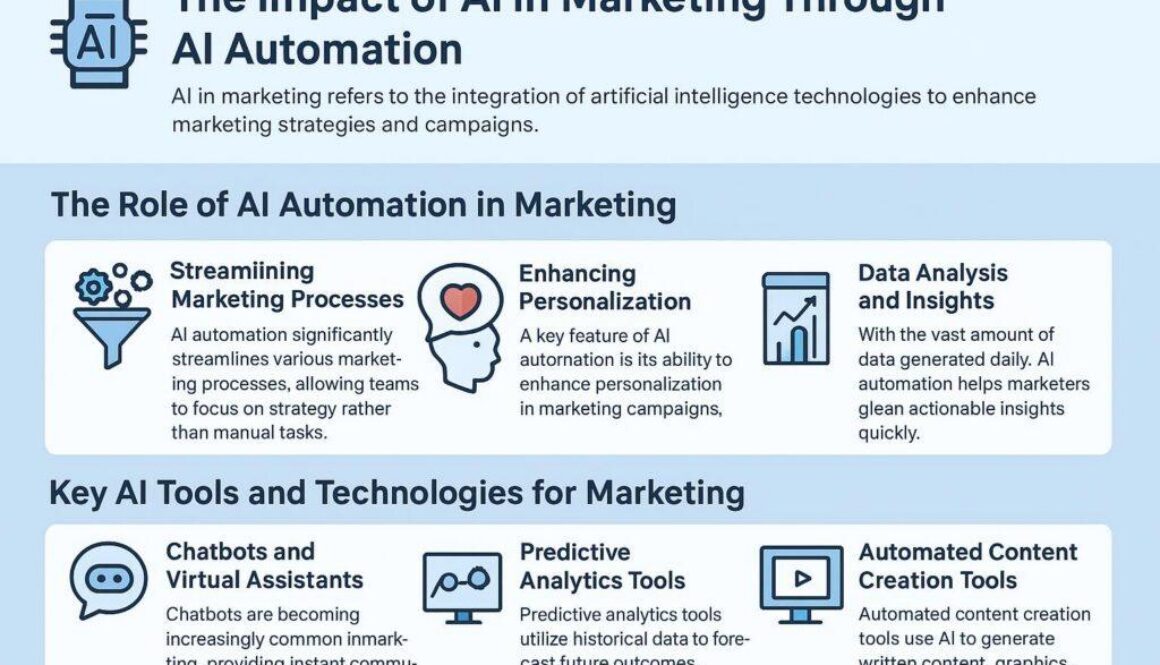
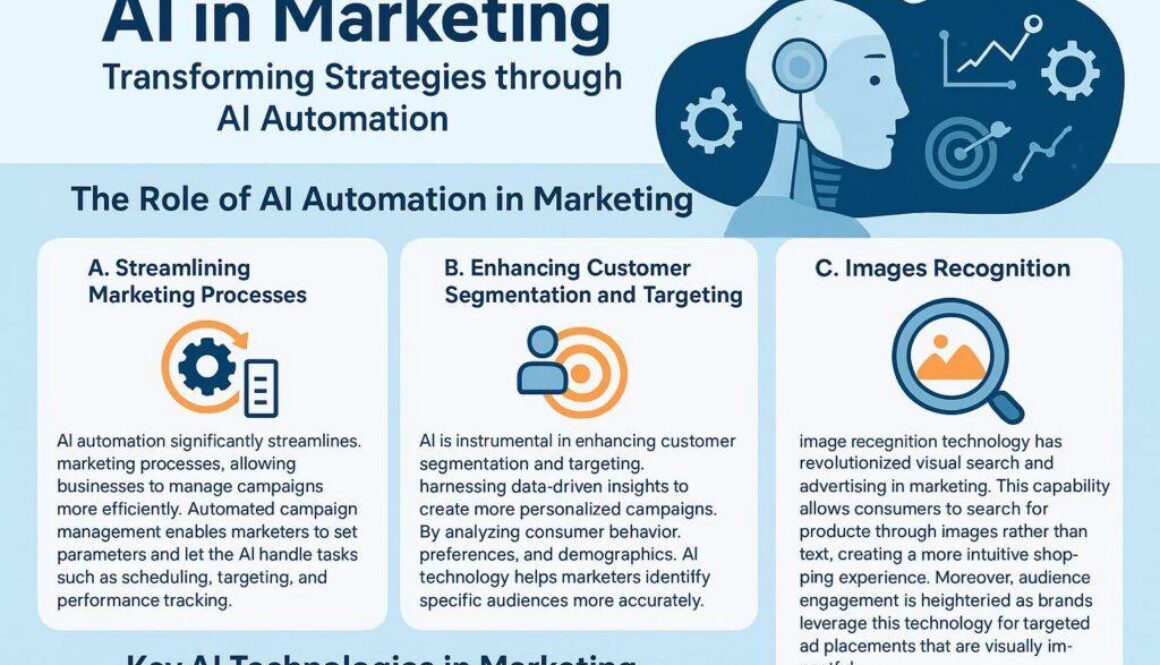
AI Automation plays a pivotal role in streamlining marketing processes, enabling teams to focus more on creative aspects rather than mundane administrative tasks. By automating tasks such as data entry, scheduling posts, or generating reports, businesses can significantly reduce the time spent on repetitive activities. Additionally, AI enhances data analysis and customer insights, allowing marketers to unlock valuable information that can directly influence their strategies and campaigns.
Moreover, improving targeting and personalization is another critical benefit of AI in marketing. With AI algorithms analyzing customer data and behaviors, marketers can create highly tailored content that resonates with specific segments of their audience. This targeted approach increases the likelihood of conversion, driving higher ROI on marketing efforts.
AI Tools and Technologies in Marketing
Overview of Key AI Tools for Marketing Automation
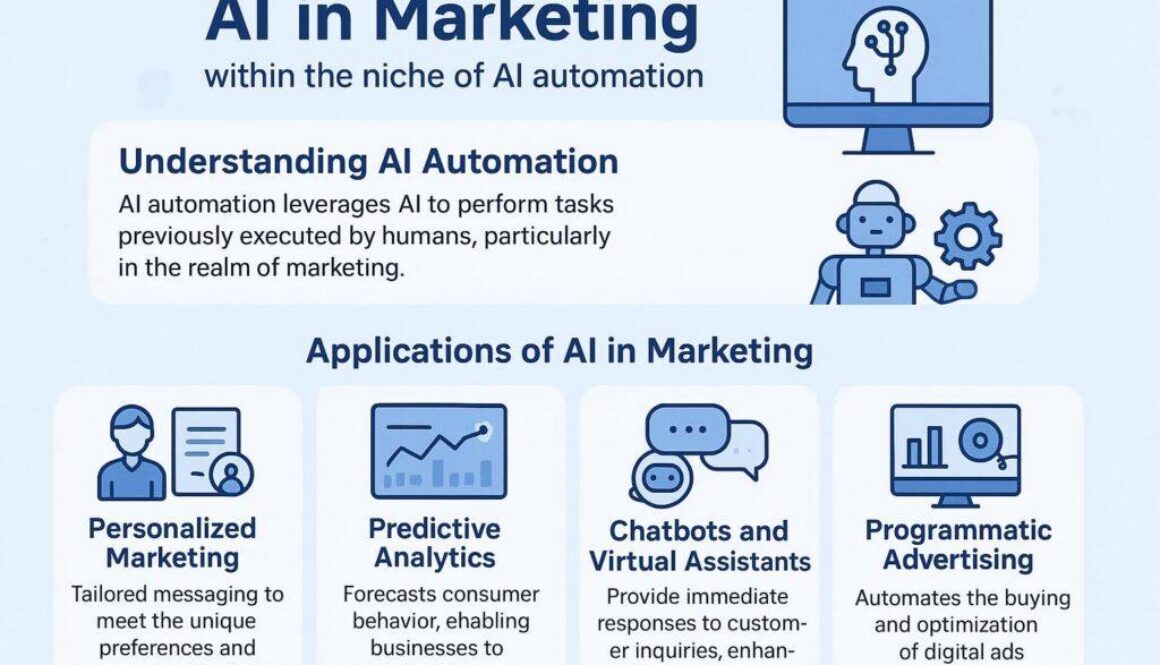
To effectively implement AI in their strategies, marketers have access to various tools designed to automate and optimize processes. AI-Powered Customer Relationship Management (CRM) systems, for instance, streamline customer interactions by providing personalized communication and insights into customer preferences. Similarly, chatbots and virtual assistants offer real-time customer support, significantly enhancing engagement without requiring human intervention.
Predictive analytics software allows marketers to forecast future trends and customer behaviors based on historical data, empowering them to make informed decisions. Additionally, email marketing automation tools utilize AI to tailor messages and optimize sending times, ensuring that content reaches the right audience at the right moment.
Comparison of Popular AI Marketing Tools
When it comes to choosing the right AI marketing tools, several options stand out in the industry. Platforms like HubSpot and Salesforce offer robust AI capabilities within their CRM systems, making customer management more efficient. Chatbot solutions like Drift or Intercom provide dynamic customer interaction, improving user experience significantly. For predictive analytics, tools like Google Analytics 4 and SAS offer comprehensive insights, while Mailchimp and SendinBlue lead in email marketing automation.
Benefits of Integrating AI into Marketing Strategies
Implementing AI into marketing strategies leads to increased efficiency and cost savings, allowing businesses to allocate resources more effectively. Automating routine tasks means less manual labor and lower operational costs, enabling teams to invest their time in strategic initiatives that yield better outcomes. This efficiency translates to faster campaign launches and a more responsive approach to market changes.
Additionally, integrating AI fosters enhanced customer engagement and retention. By utilizing AI-driven insights for personalized marketing campaigns, businesses can build stronger relationships with customers, resulting in higher satisfaction and loyalty rates. In today’s market, maintaining customer engagement is essential, and AI plays a crucial role in ensuring brands communicate with consumers in relevant and meaningful ways.
Furthermore, real-time analytics and performance tracking provided by AI technologies enable marketers to measure the success of their efforts more accurately. This immediate feedback loop allows for rapid adjustments to campaigns, improving effectiveness and maximizing ROI.
Challenges of Implementing AI Automation in Marketing
Despite its many advantages, implementing AI automation in marketing comes with its challenges. One major concern is navigating data privacy issues, as businesses must ensure compliance with regulations such as GDPR while leveraging customer data for personalization. Striking a balance between utilizing data effectively and safeguarding consumer privacy is crucial for building trust.
Additionally, there is a pressing need for AI literacy and training within marketing teams. As AI technologies evolve, ensuring that employees are equipped with the necessary knowledge and skills to effectively use these tools is vital. Companies that invest in training can better realize the potential of AI and optimize their marketing strategies.
Finally, integrating AI with existing marketing systems poses another significant challenge. Marketers often face compatibility issues among various platforms, necessitating a thorough evaluation of current technology and processes. Successful integration requires a strategic approach that considers the unique needs and infrastructure of the organization.
Case Studies/Examples
Several companies have successfully implemented AI automation in their marketing strategies, transforming their approach to customer engagement. For instance, a leading retail brand utilized AI-powered chatbots to handle customer inquiries, resulting in a 30% decrease in response time and improved customer satisfaction metrics. Another example includes a financial services company that harnessed predictive analytics to tailor their campaigns, achieving a 25% increase in conversion rates within six months.
Metrics and results from AI-driven campaigns illustrate the tangible benefits of these technologies. Businesses report substantial growth due to improved customer targeting, engagement, and campaign effectiveness, highlighting the transformative power of AI automation.
Future Trends of AI in Marketing
Looking ahead, the growth of AI automation in marketing is expected to continue at an accelerated pace. Predictions indicate that more advanced AI capabilities will emerge, enabling even more precise targeting and deeper insights into consumer behaviors. As businesses evolve, we can anticipate increased investment in AI technologies, with an emphasis on improving customer experiences and achieving strategic objectives.
Emerging innovations, including advancements in natural language processing and machine learning, will likely reshape how brands interact with consumers. The potential impact of AI on consumer behavior is profound, as personalized experiences will become the norm, pushing marketers to adapt continuously and innovate.
Conclusion
In summary, the importance of AI automation in marketing cannot be understated. As companies navigate the complexities of digital transformation, embracing AI technologies offers a path to future success. Marketers are encouraged to explore these innovative tools to enhance their strategies, improve customer engagement, and drive business growth.
References/Further Reading
For those interested in delving deeper into the topic of AI in marketing, consider the following resources:
- "AI in Marketing: How Artificial Intelligence is Transforming the Marketing Landscape" by Raj Venkatesan
- "Marketing 4.0: Moving from Traditional to Digital" by Philip Kotler
- Blogs from leading marketing platforms such as HubSpot, Neil Patel, and MarketingProfs offer ongoing insights and developments in AI technology for marketing.