Unlocking Marketing Success: How AI Automation is Transforming Strategies and Customer Engagement
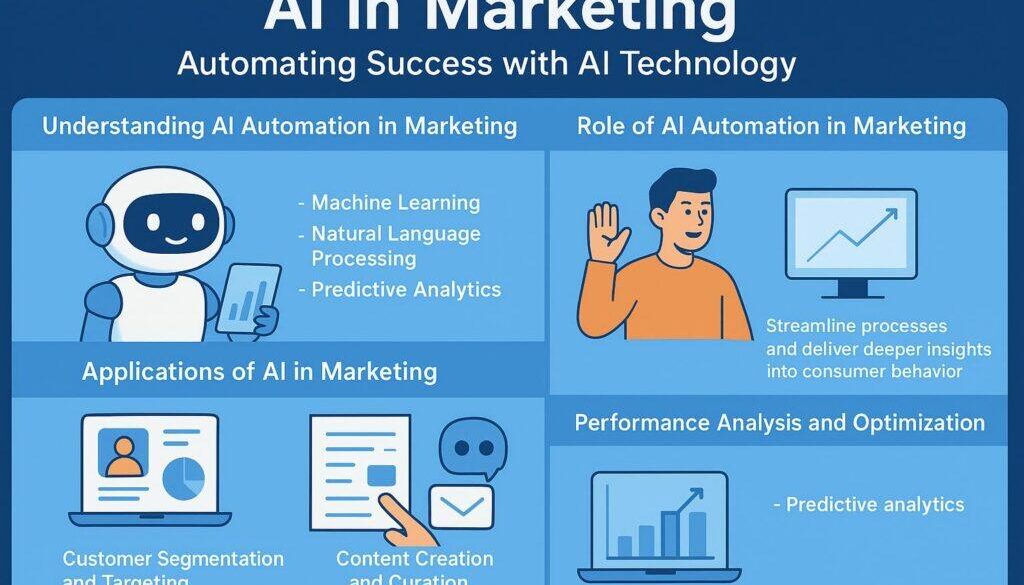
AI in Marketing: Automating Success with AI Technology
I. Introduction
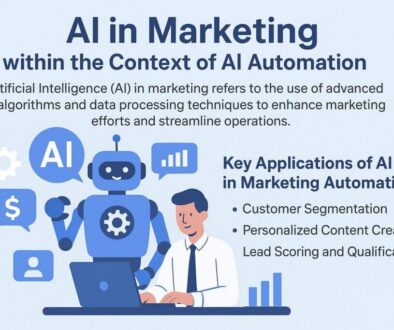
Artificial Intelligence (AI) in marketing refers to the use of advanced technologies to analyze data, automate processes, and enhance customer engagement. In today's fast-paced digital landscape, AI automation is crucial for marketers aiming to streamline their operations and deliver personalized experiences to their audiences. The key benefits of AI in marketing include improved efficiency, enhanced targeting capabilities, and the ability to derive actionable insights from vast amounts of data.
II. Understanding AI Automation in Marketing
A. Explanation of AI Automation Technologies
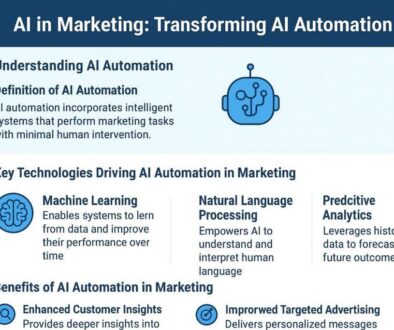
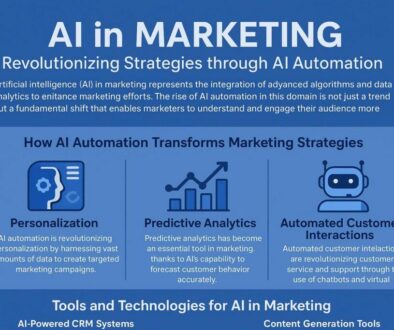
AI automation encompasses a variety of technologies that empower marketers to optimize their strategies. Machine learning enables algorithms to learn from data patterns, improving predictions and outcomes over time. Natural language processing helps in understanding and generating human language, which enhances communication with customers. Predictive analytics uses historical data to forecast future trends, enabling brands to make informed decisions.
B. Role of AI Automation in Marketing Strategies
The integration of AI automation into marketing strategies allows businesses to create more effective campaigns. By automating routine tasks, marketers can focus on strategic planning and creative aspects of their work. This technology not only streamlines processes but also delivers deeper insights into consumer behavior, leading to better-targeted marketing initiatives.
III. Applications of AI in Marketing
A. Customer Segmentation and Targeting
AI plays a significant role in customer segmentation and targeting. By employing advanced data analysis techniques, marketers can create detailed profiles of their customers, allowing for more precise segmentation. This enables businesses to personalize their marketing efforts at scale, ensuring that relevant content reaches the right audiences.
B. Content Creation and Curation
The use of AI in content creation and curation is rapidly growing. Automated content generation tools can produce articles, blogs, and social media posts, significantly reducing the time required for content development. Additionally, AI-driven content recommendations help marketers provide personalized suggestions to users, enhancing their overall experience.
C. Customer Interaction and Engagement
AI technologies such as chatbots and virtual assistants are transforming customer interaction. These tools allow brands to provide real-time responses to customer inquiries, improving satisfaction and engagement. AI also plays a vital role in email marketing, enabling personalized content delivery and segmentation based on user behavior.
D. Performance Analysis and Optimization
AI automation enhances performance analysis and optimization in marketing. With predictive analytics, marketers can gauge the potential success of campaigns before they launch, making necessary adjustments to improve results. Real-time data monitoring allows for dynamic campaign adjustments, ensuring that marketing efforts remain effective and aligned with customer needs.
IV. Case Studies of AI in Marketing
A. Successful Brands Leveraging AI Automation
Several brands have successfully integrated AI automation into their marketing strategies. For instance, Brand A has utilized AI to implement personalized marketing experiences, enhancing customer loyalty and retention rates. Similarly, Brand B has leveraged AI-driven customer service solutions to streamline interactions and improve response times, resulting in higher customer satisfaction.
B. Lessons Learned and Best Practices
These case studies offer valuable lessons in the implementation of AI in marketing. Successful brands emphasize the importance of clear objectives and robust data management systems. Moreover, a focus on customer-centric strategies and continuous evaluation of AI tools can drive more fruitful marketing outcomes.
V. Challenges and Considerations
A. Data Privacy and Ethical Considerations
The increasing reliance on AI presents challenges regarding data privacy and ethical considerations. Marketers must ensure compliance with regulations while handling sensitive consumer information. Striking the right balance between automation and privacy is crucial for maintaining consumer trust.
B. The Need for Human Oversight
While AI can enhance various processes, human oversight remains vital. Automated systems may lack the contextual understanding that human marketers possess, which can lead to misinterpretations. Therefore, incorporating human intuition into AI-driven strategies is essential for creating meaningful marketing experiences.
C. Integration with Existing Marketing Tools
Integrating AI technologies with existing marketing tools can pose challenges. Organizations often struggle with aligning new AI solutions with established processes and systems. A structured approach to integration can help ensure that AI complements and enhances current marketing capabilities.
VI. Future Trends in AI Automation for Marketing
A. Emerging Technologies and Innovations
The future of AI in marketing is bright, with emerging technologies poised to revolutionize the landscape. Innovations such as advanced machine learning algorithms and enhanced natural language processing capabilities will enable even more refined targeting and personalization. Brands are increasingly investing in AI to stay ahead in a competitive market.
B. Predictions for the Next 5-10 Years in AI Marketing
Looking ahead, we can anticipate significant growth in AI applications within marketing over the next 5-10 years. As technology advances, we may witness increased automation of complex tasks, improved AI-human collaboration, and a greater focus on ethical practices. These developments will likely redefine how marketers connect with their audiences.
VII. Conclusion
AI automation is reshaping the marketing landscape, making it essential for businesses that wish to remain competitive. By embracing AI tools, organizations can optimize their marketing strategies for efficiency and effectiveness. Marketers are encouraged to explore AI solutions and harness their potential to achieve greater success in their campaigns.