Harnessing AI Automation in Marketing: Strategies for Enhanced Efficiency and Customer Engagement
AI in Marketing within AI Automation
I. Introduction
Artificial Intelligence (AI) in marketing refers to the use of sophisticated algorithms and data analytics to enhance marketing strategies and operations. With the rapid evolution of technology, AI automation has become critical for businesses aiming to stay competitive in today’s market. The benefits of integrating AI into marketing include improved efficiency, enhanced customer engagement, and data-driven insights that can propel growth.
II. The Role of AI Automation in Marketing
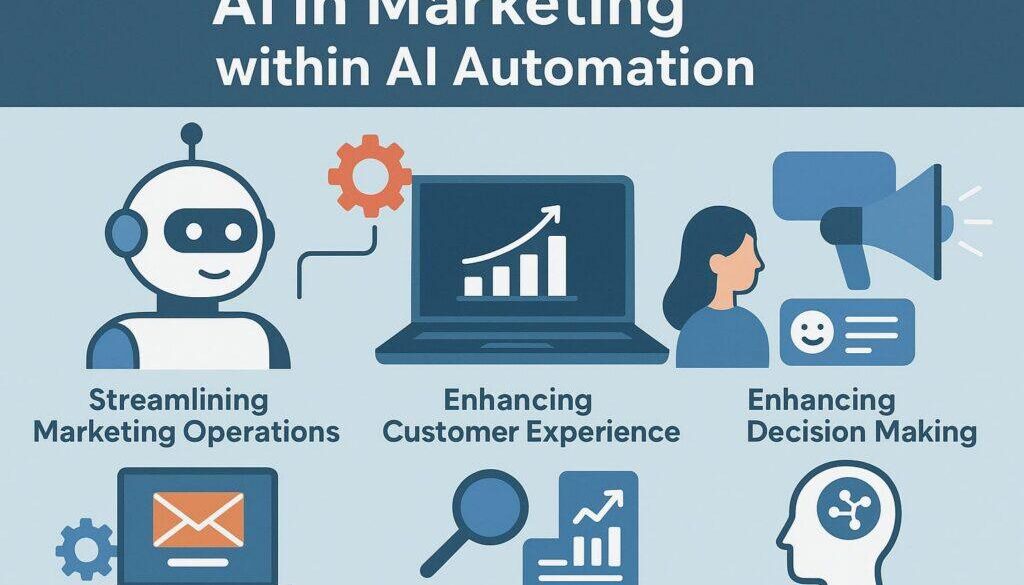
A. Streamlining Marketing Operations
AI automation streamlines various marketing operations by automating repetitive tasks, allowing teams to focus on strategic planning. This includes automating processes such as email marketing, social media posting, and even ad management. By reducing manual work, businesses can save time and allocate resources more effectively.
B. Enhancing Customer Experience
Utilizing AI in marketing significantly enhances the customer experience through personalized interactions. AI tools analyze customer data to tailor content and recommendations, ensuring that consumers receive relevant information at the right time. This not only improves user satisfaction but also fosters brand loyalty.
C. Data-Driven Decision Making
AI empowers marketers to make informed decisions based on real-time data analytics. By interpreting vast amounts of data, AI systems can identify trends, measure campaign performance, and suggest optimizations. This data-driven approach helps marketers refine their strategies and achieve better results.
III. Key AI Technologies in Marketing
A. Machine Learning and Predictive Analytics
1. Customer Behavior Analysis
Machine learning algorithms analyze customer behavior patterns, allowing businesses to anticipate future actions and preferences. This insight enables companies to tailor their marketing strategies effectively, aligning with consumer needs.
2. Performance Predictions
Predictive analytics assists marketers in forecasting campaign performance, helping them adapt strategies accordingly. By understanding potential outcomes, businesses can optimize their marketing efforts for maximum impact.
B. Natural Language Processing (NLP)
1. Chatbots and Virtual Assistants
NLP technology powers chatbots and virtual assistants, facilitating immediate customer support and guidance. These tools enhance user experience by providing quick responses to inquiries and reducing wait times, thus improving customer satisfaction.
2. Sentiment Analysis
NLP also enables sentiment analysis, allowing brands to gauge public opinion and customer feelings about their products or services. This knowledge helps businesses adjust their messaging and marketing strategies in real time.
C. Computer Vision
1. Visual Recognition in Advertising
Computer vision technology allows for visual recognition, which is essential in creating targeted advertising campaigns. By analyzing images and videos, brands can optimize their visual content to attract and resonate with specific audiences.
2. Image and Video Analysis
Image and video analysis through AI can significantly enhance marketing strategies by providing insights into what types of visuals perform best. This enables marketers to create engaging content that drives more conversions.
IV. Applications of AI in Marketing Automation
A. Personalization and Targeting
1. Tailored Content Recommendations
AI enables brands to offer tailored content recommendations based on user behavior and preferences. By delivering personalized content, businesses can significantly increase engagement rates and conversion.
2. Automated Segmentation
Automated segmentation allows marketers to categorize their audience based on specific criteria, ensuring that messages are relevant and timely. This targeted approach enhances the effectiveness of campaigns, leading to higher ROI.
B. Campaign Management
1. Automated Ad Placement
AI technologies facilitate automated ad placement, optimizing where and when ads appear to reach the desired audience effectively. This reduces manual effort and maximizes ad visibility.
2. Performance Tracking and Optimization
Real-time performance tracking powered by AI enables marketers to monitor campaign effectiveness continuously. Adjustments can be made instantly based on data insights, improving overall campaign performance.
C. Lead Generation and Nurturing
1. AI-Powered Lead Scoring
AI systems can automate lead scoring, evaluating potential leads based on their engagement and likelihood to convert. This ensures that sales teams focus on high-quality leads, increasing efficiency and success rates.
2. Automated Follow-Up Processes
Automated follow-up processes ensure that leads receive timely communication without requiring manual intervention. This not only saves time but also enhances the chances of nurturing leads into sales.
V. Challenges of Implementing AI in Marketing
A. Data Quality and Integration Issues
One of the significant challenges marketers face is ensuring the quality and integration of data across various platforms. Inaccurate or fragmented data can lead to ineffective use of AI tools and compromised results.
B. Ethical Considerations
The use of AI in marketing raises ethical questions surrounding privacy and data security. Businesses must navigate these challenges carefully to maintain customer trust and comply with regulations.
C. Resistance to Change within Organizations
Implementing AI technology often faces resistance from employees accustomed to traditional marketing methods. Overcoming this resistance requires fostering a culture of innovation and ensuring staff are adequately trained in new technologies.
VI. Future Trends in AI and Marketing Automation
A. Increased Use of Predictive Analytics
The future of marketing will see an even greater reliance on predictive analytics, allowing marketers to forecast trends with greater accuracy and tailor strategies accordingly. This trend emphasizes the move towards more data-driven marketing approaches.
B. Evolution of Customer Journeys with AI
As AI technology advances, customer journeys will become increasingly personalized and seamless. AI will continue to shape how consumers interact with brands, leading to more refined and efficient marketing strategies.
C. Enhanced Integration with Other Technologies
Looking ahead, AI will further integrate with emerging technologies like the Internet of Things (IoT) and blockchain. This integration promises to create innovative solutions that enhance the marketing landscape even more.
VII. Case Studies
A. Successful Brand Implementations
Numerous brands have successfully harnessed AI automation in their marketing strategies, achieving significant growth. These case studies serve as valuable insights into practical applications of AI in real-world scenarios.
B. Insights from Industry Leaders
Industry leaders advocate for the adoption of AI technologies, sharing insights on their successful implementations. Learning from their experiences can guide businesses in effectively deploying AI tools.
VIII. Conclusion
In summary, AI automation in marketing presents transformative opportunities for businesses. By embracing these technologies, marketers can enhance operational efficiencies, improve customer engagement, and drive better results. It’s time for businesses to adopt AI automation strategies for achieving marketing success.
IX. Additional Resources
A. Recommended Reading
Explore various books and articles focused on AI in marketing to deepen your understanding of the subject.
B. Tools and Software for AI Marketing Automation
Discover leading tools and software that enable efficient AI marketing automation, helping streamline your processes.
C. Industry Reports and Research
Stay updated with the latest industry reports and research findings to inform your AI marketing strategies and decision-making.