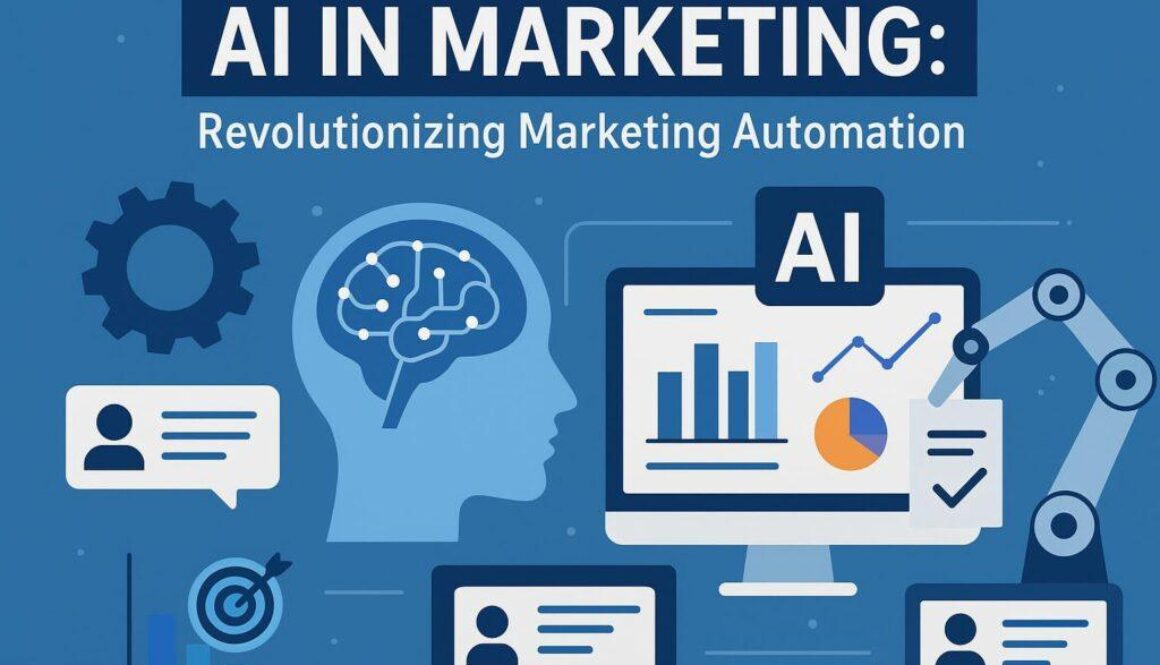

AI in Marketing: How AI Automation is Revolutionizing Marketing Strategies
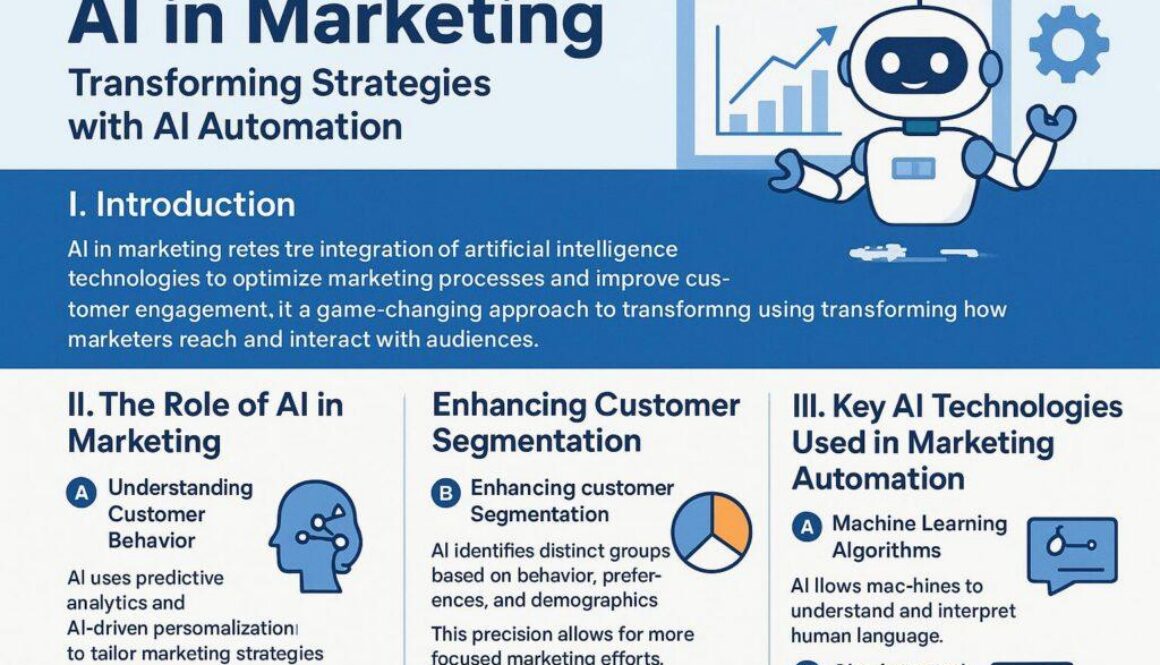
AI in Marketing: Transforming Strategies with AI Automation
I. Introduction
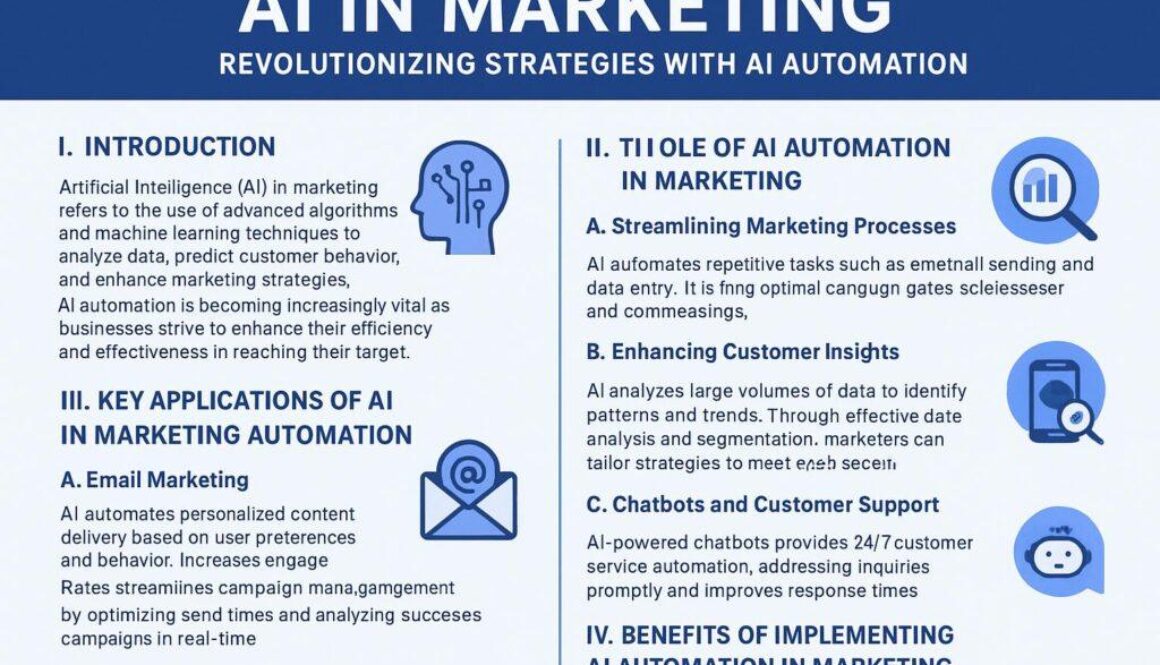
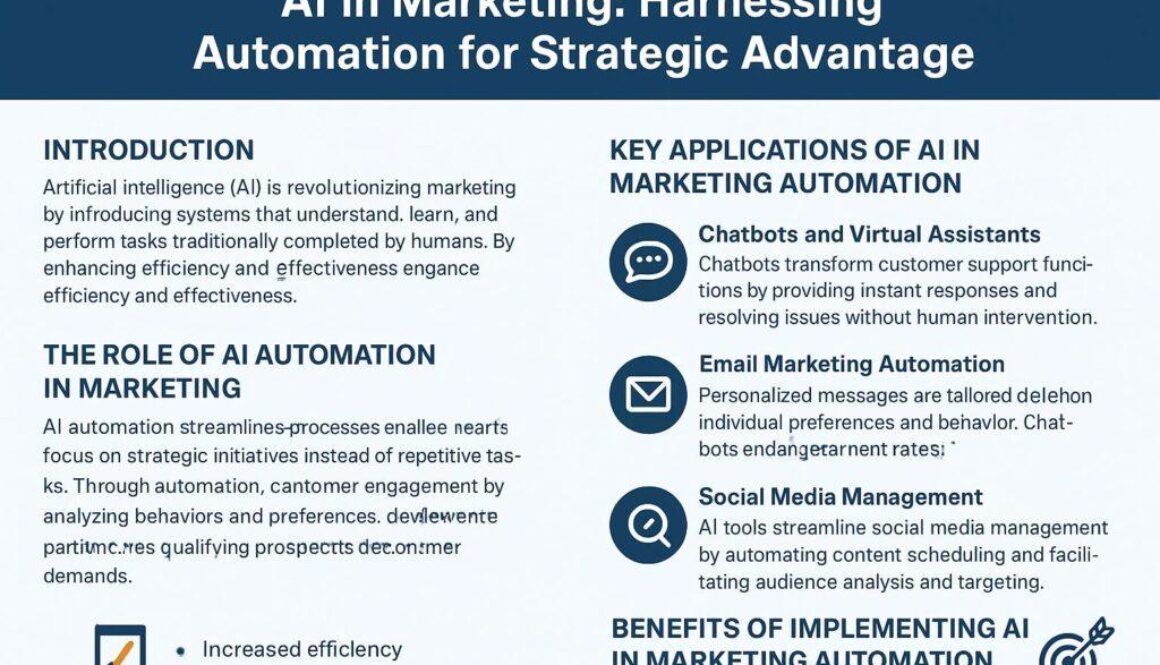
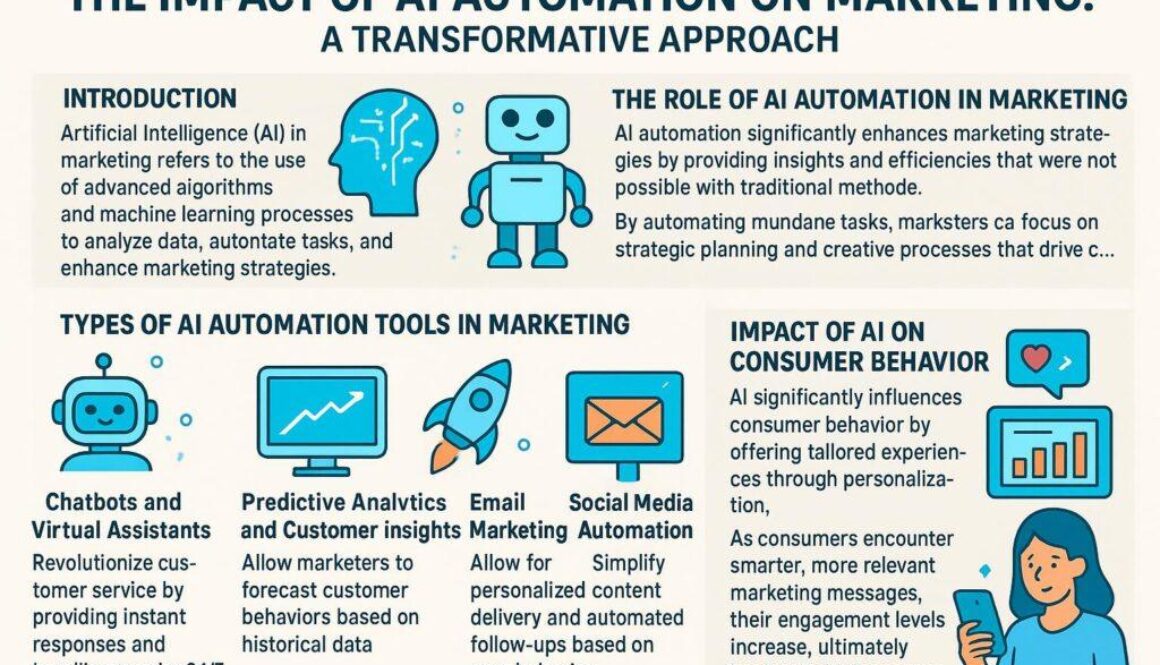
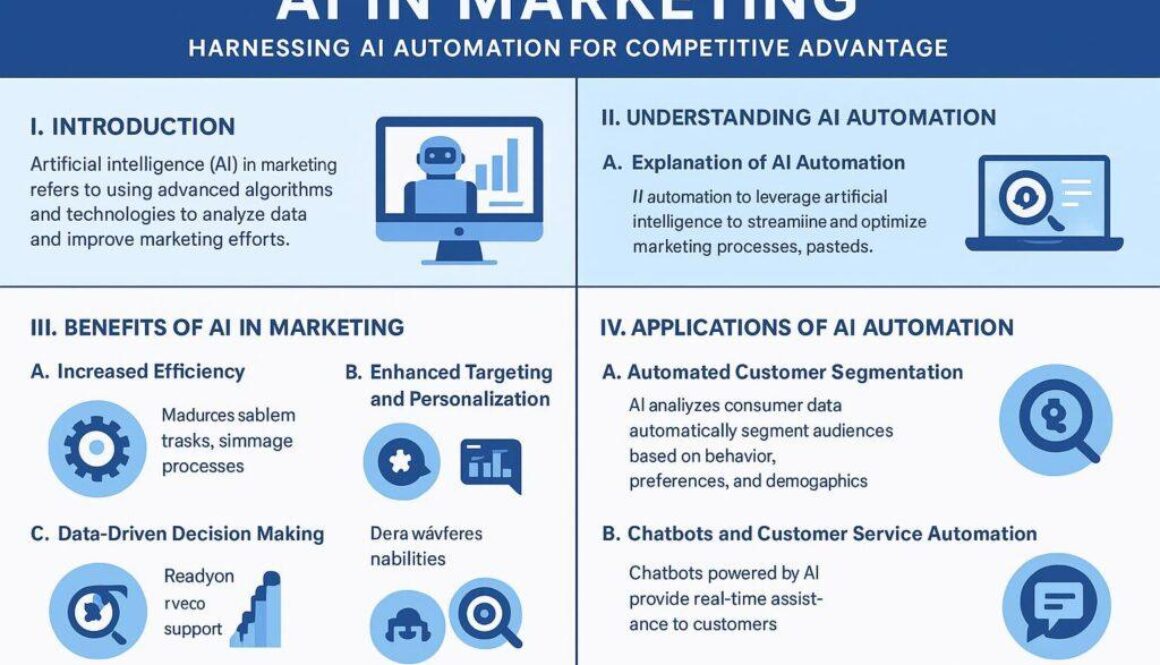
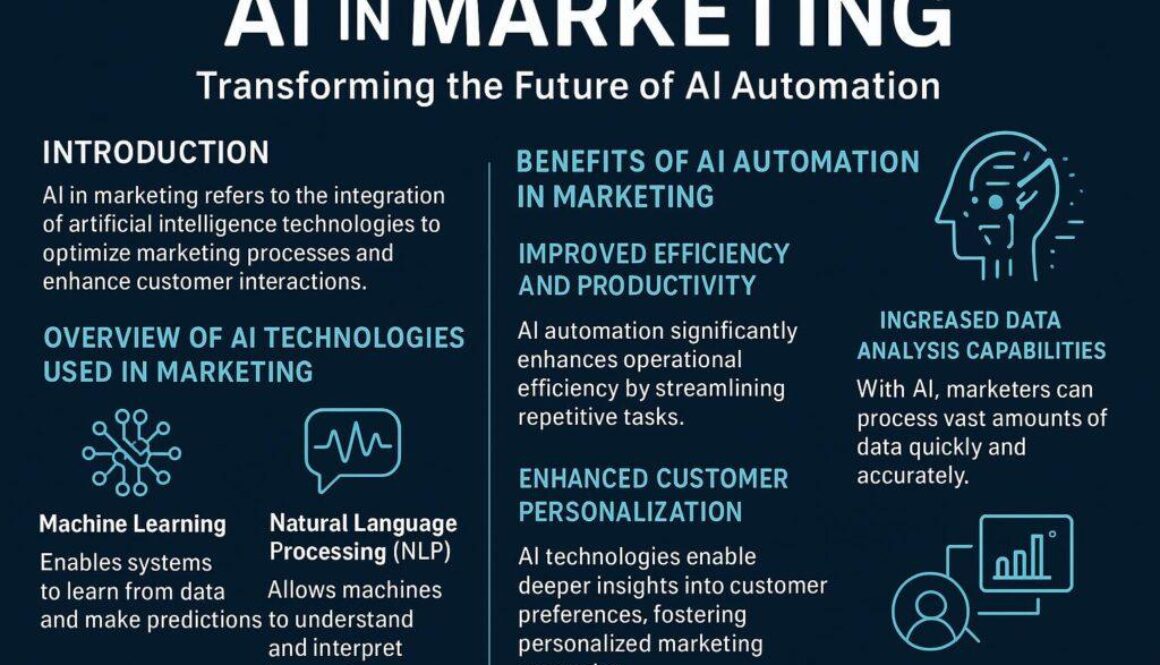
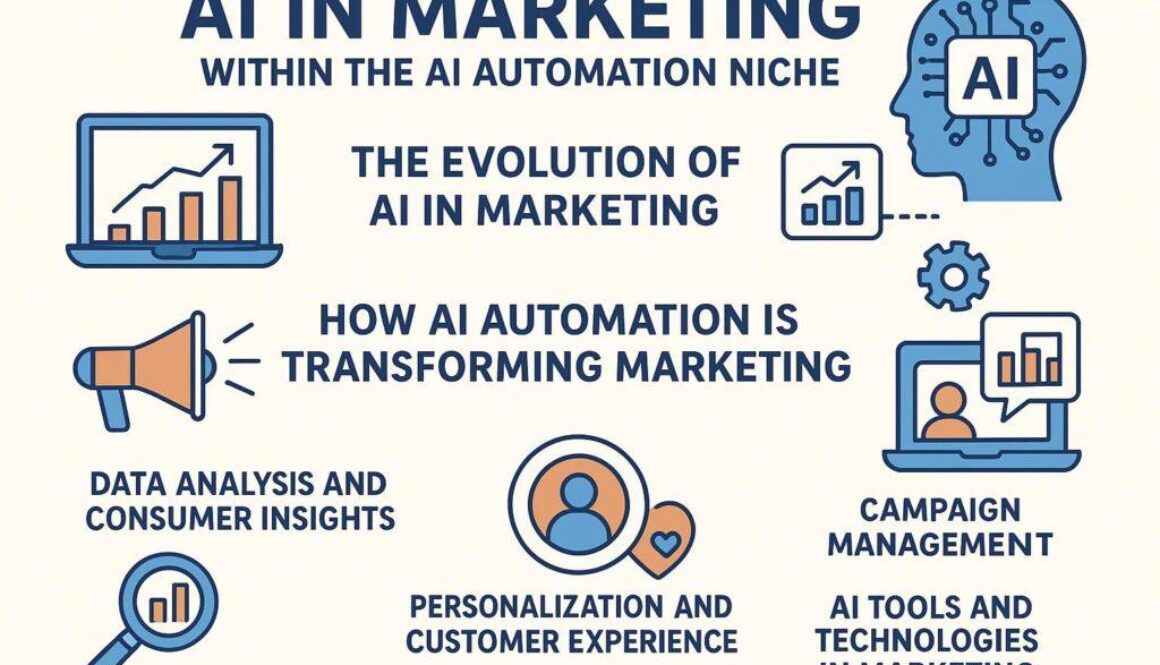
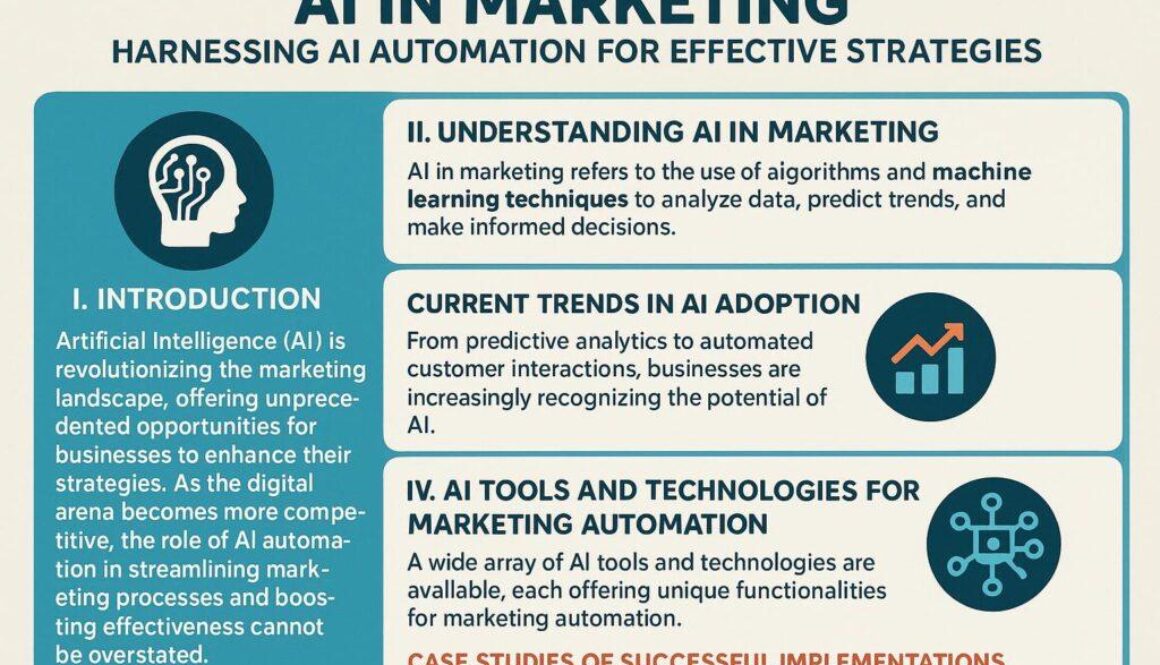
AI in marketing refers to the integration of artificial intelligence technologies to optimize marketing processes and improve customer engagement. It’s a game-changing approach that leverages data, machines, and automation to create more effective marketing strategies. As businesses face an ever-evolving digital landscape, AI automation has become crucial in transforming how marketers reach and interact with their audiences.
II. The Role of AI in Marketing
A. Understanding Customer Behavior
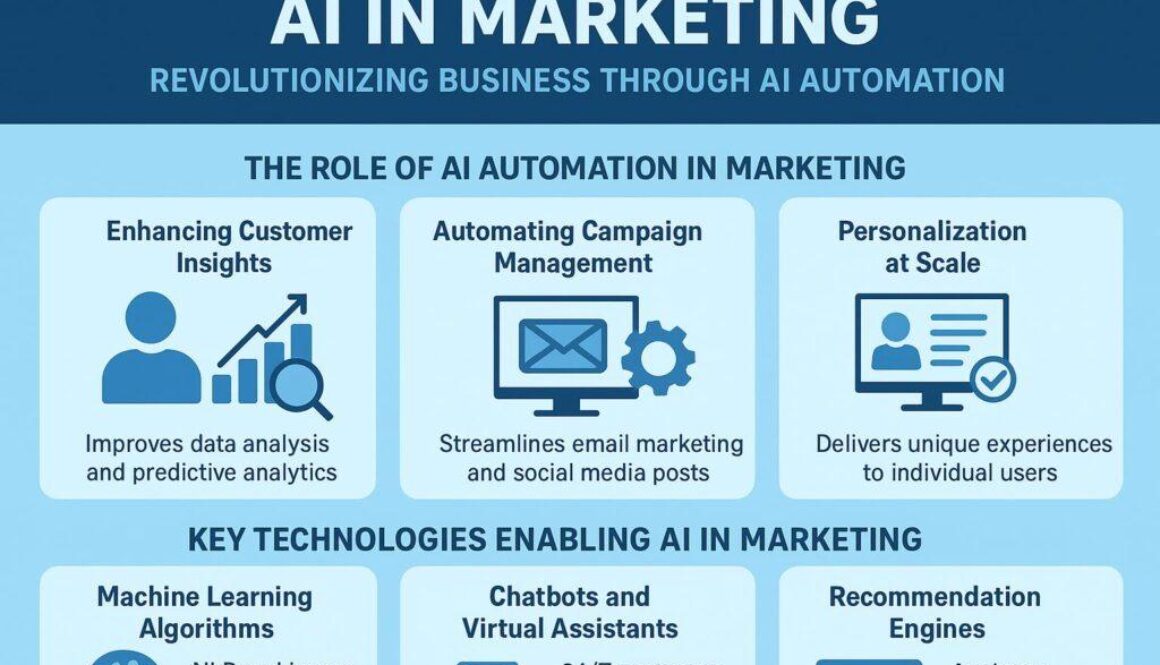
AI plays a pivotal role in understanding customer behavior through methods like predictive analytics. This technology analyzes historical data to forecast future customer actions, allowing marketers to tailor their strategies effectively. Additionally, AI-driven personalization enables brands to deliver targeted content and recommendations, significantly enhancing user engagement.
B. Enhancing Customer Segmentation
By utilizing AI to enhance customer segmentation, marketers can identify distinct groups based on behavior, preferences, and demographics. This precision allows for more focused marketing efforts, leading to higher conversion rates and improved customer satisfaction. As a result, brands can develop tailored campaigns that resonate with specific audiences, ensuring maximum impact.
C. Automating Campaign Management
AI automation streamlines campaign management by automating repetitive tasks such as scheduling, monitoring, and analytics. This reduces manual effort and allows marketing teams to focus on strategy and creativity. Further, AI can optimize campaigns in real-time, making necessary adjustments to improve performance and achieve desired outcomes.
III. Key AI Technologies Used in Marketing Automation
A. Machine Learning Algorithms
Machine learning algorithms are at the heart of AI marketing automation. They enable systems to learn from data patterns and make predictions, ultimately improving decision-making processes. With each iteration, these algorithms become more precise, enhancing the effectiveness of marketing strategies.
B. Natural Language Processing (NLP)
Natural Language Processing (NLP) allows machines to understand and interpret human language. In marketing, NLP is essential for analyzing customer feedback, social media interactions, and search queries. This technology helps brands craft messages that resonate better with their audience, thereby increasing engagement.
C. Chatbots and Virtual Assistants
Chatbots and virtual assistants represent a significant advancement in customer service automation. These AI-driven tools provide instant responses to customer inquiries, improving user experience and satisfaction. They also operate 24/7, ensuring that businesses remain accessible to customers around the clock.
D. Image and Video Recognition
Image and video recognition technologies can analyze visual content to gather insights about customer behavior and preferences. This capability enables marketers to leverage user-generated content and create more engaging visual campaigns. The use of visual AI helps brands connect with their audiences on a more emotional and relatable level.
IV. Benefits of AI Automation in Marketing
A. Increased Efficiency and Productivity
AI automation significantly enhances efficiency and productivity within marketing teams. By automating routine tasks, marketers can focus their efforts on strategic initiatives, driving higher creativity and innovation. This efficiency not only accelerates campaign execution but also maximizes resource utilization.
B. Improved ROI on Marketing Campaigns
The integration of AI tools leads to improved return on investment (ROI) for marketing campaigns. By utilizing data-driven insights, marketers can optimize their spending and target audiences more effectively. This focus results in better engagement rates and conversion outcomes, ultimately increasing profitability.
C. Real-Time Data Analysis and Decision-Making
AI facilitates real-time data analysis, providing marketers with immediate insights into campaign performance. This capability allows for swift decision-making, enabling teams to pivot strategies as needed. As a result, businesses can stay ahead of market trends and audience preferences, ensuring their marketing efforts remain relevant.
D. Enhanced Customer Experience and Engagement
AI enhances the customer experience by delivering personalized content and facilitating seamless interactions. Tailored marketing efforts lead to greater customer satisfaction, fostering loyalty and repeat business. Engaged customers are more likely to advocate for the brand, amplifying its reach and impact.
V. Case Studies of Successful AI Implementation in Marketing
A. Brand A: Personalized Marketing Strategies
Brand A utilized AI technology to create personalized marketing strategies that significantly enhanced their customer engagement. By analyzing customer data, they crafted tailored content that resonated with individual preferences, resulting in a measurable increase in conversion rates. This success showcases the power of AI in optimizing marketing efforts through personalization.
B. Brand B: Chatbot Customer Service Automation
Brand B adopted chatbots to handle customer service inquiries, allowing for efficient resolution of issues and questions. This implementation not only improved response times but also provided a seamless customer experience, leading to higher satisfaction ratings. The success of this strategy demonstrates how AI can revolutionize customer service in marketing.
C. Brand C: AI-Driven Ad Optimization
Brand C leveraged AI-driven ad optimization to enhance their online advertising campaigns. By analyzing performance data, they were able to adjust ad placements and target demographics effectively, resulting in improved ad performance. This case highlights the transformative potential of AI in achieving better marketing results through optimization techniques.
VI. Challenges and Considerations
A. Data Privacy and Ethical Concerns
As AI continues to permeate marketing practices, data privacy and ethical concerns have emerged. Businesses must navigate regulations and consumer expectations regarding data usage. Ensuring compliance and building trust with customers is essential to maintain credibility while utilizing AI technologies.
B. Integration with Existing Systems
Integrating AI automation with existing marketing systems presents challenges for businesses. Companies must ensure that new AI tools work seamlessly with their current platforms to maximize efficiency. This integration often requires careful planning and investment in technology infrastructure.
C. Need for Skilled Workforce to Manage AI Tools
Another challenge lies in the need for a skilled workforce to manage and interpret AI tools effectively. As AI technologies evolve, marketers must continuously upskill to harness their full potential. Investing in training and education is crucial for companies looking to stay competitive in an AI-driven marketing landscape.
VII. Future Trends of AI in Marketing
A. Greater Personalization and Customer-Centric Approaches
The future of AI in marketing will see a shift towards even greater personalization and customer-centric approaches. As AI technologies advance, marketers will be able to create hyper-personalized experiences that cater to individual preferences. This trend will further redefine customer engagement and loyalty.
B. Evolution of Voice Search and AI Assistants
The evolution of voice search and AI assistants will continue to shape marketing strategies. As more consumers use voice-activated devices, brands must adapt their content for voice search optimization. This shift presents new opportunities for marketers to reach consumers through innovative channels.
C. The Role of AI in Content Creation and Curation
AI is poised to play a significant role in content creation and curation, enhancing how marketers deliver value to their audiences. By analyzing consumer interests and trends, AI can generate insightful content ideas and help curate relevant resources. This capability will streamline content production and ensure that brands consistently meet their audience's needs.
VIII. Conclusion
AI automation is transforming marketing strategies across industries, offering unparalleled opportunities for efficiency, engagement, and personalization. Embracing these technologies will enable businesses to adapt to changing consumer behaviors while maximizing their marketing effectiveness. As the landscape continues to evolve, organizations that leverage AI will be better positioned for future success in their marketing endeavors.