
Harnessing AI Automation in Marketing: Benefits, Tools, and Future Trends
AI in Marketing: Harnessing the Power of AI Automation
I. Introduction
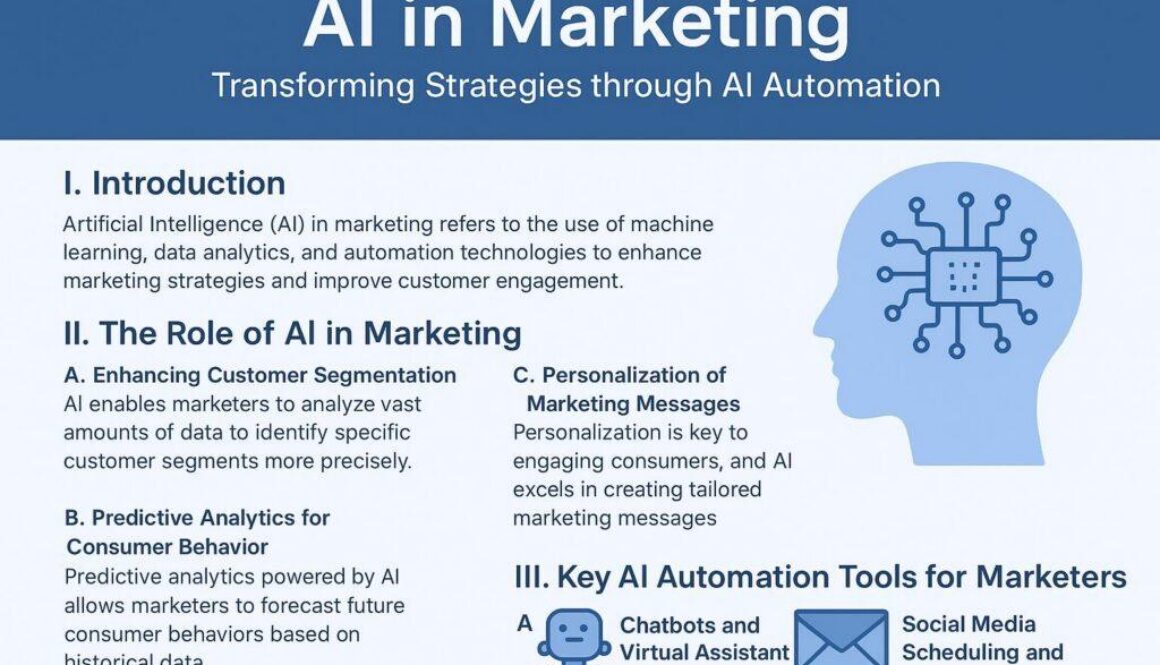
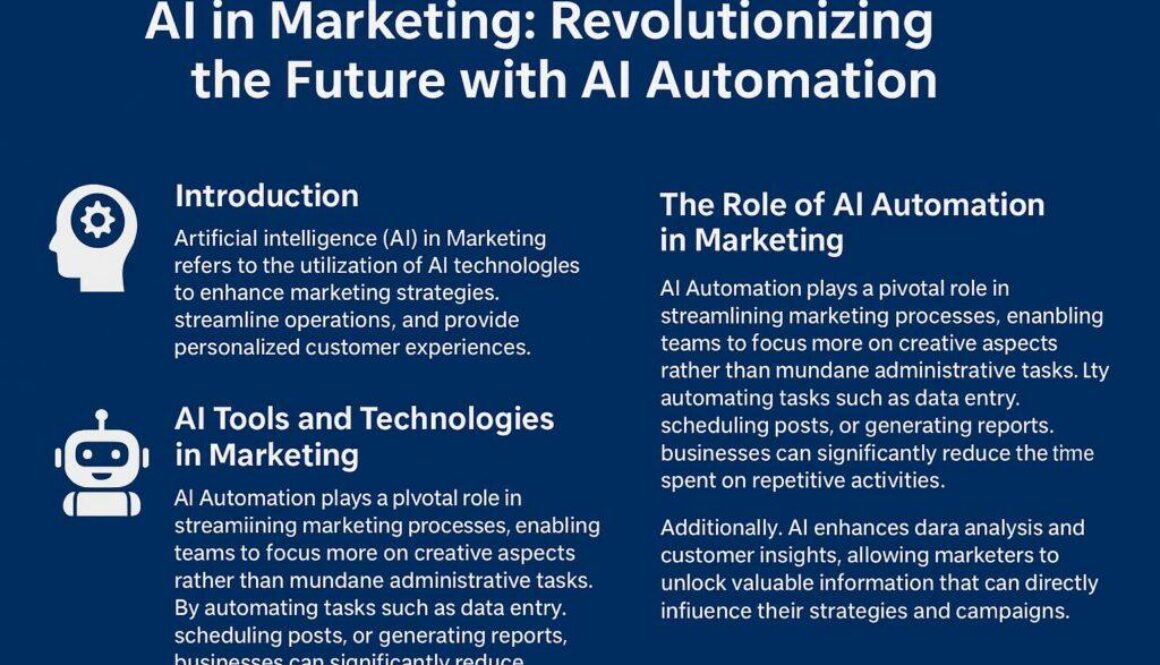
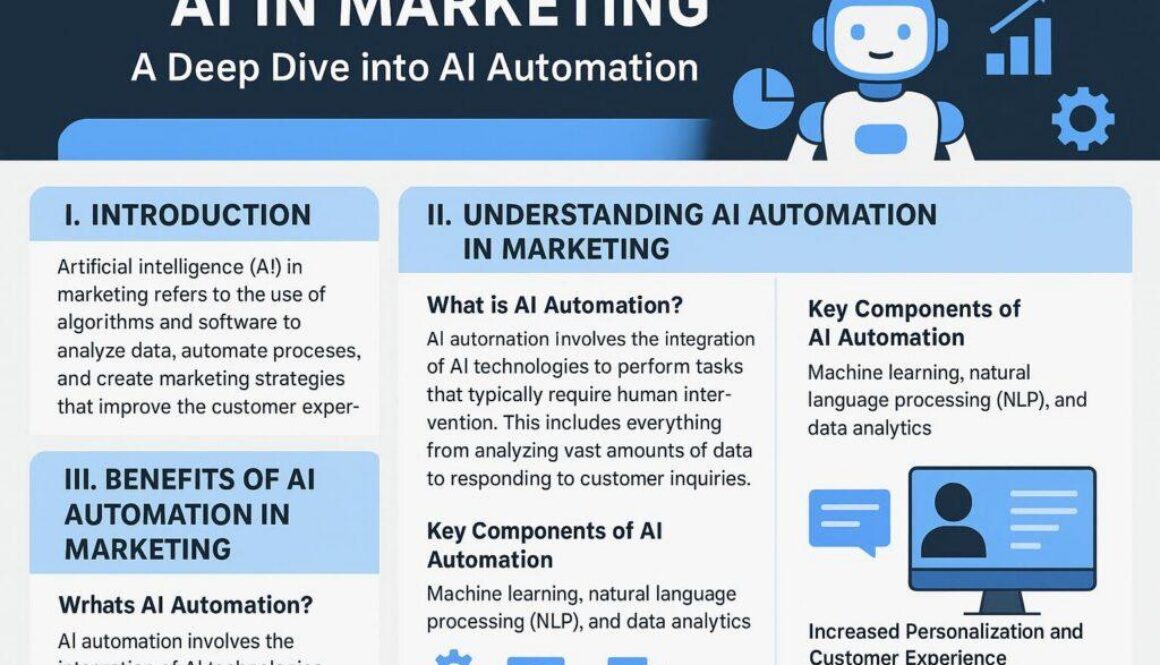
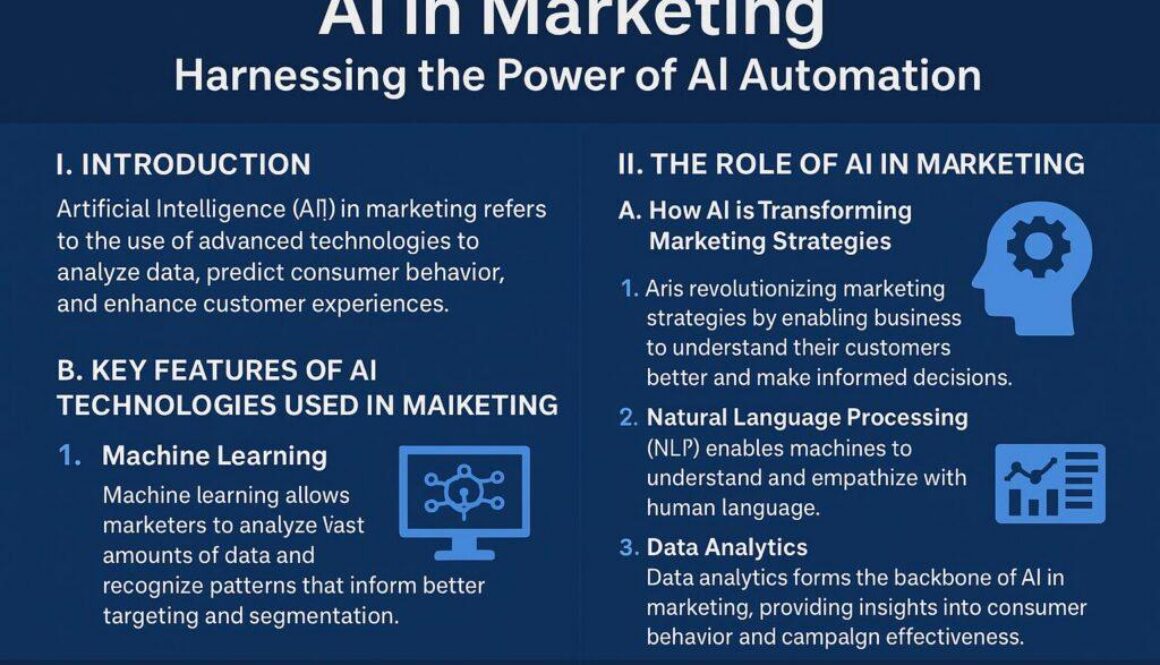
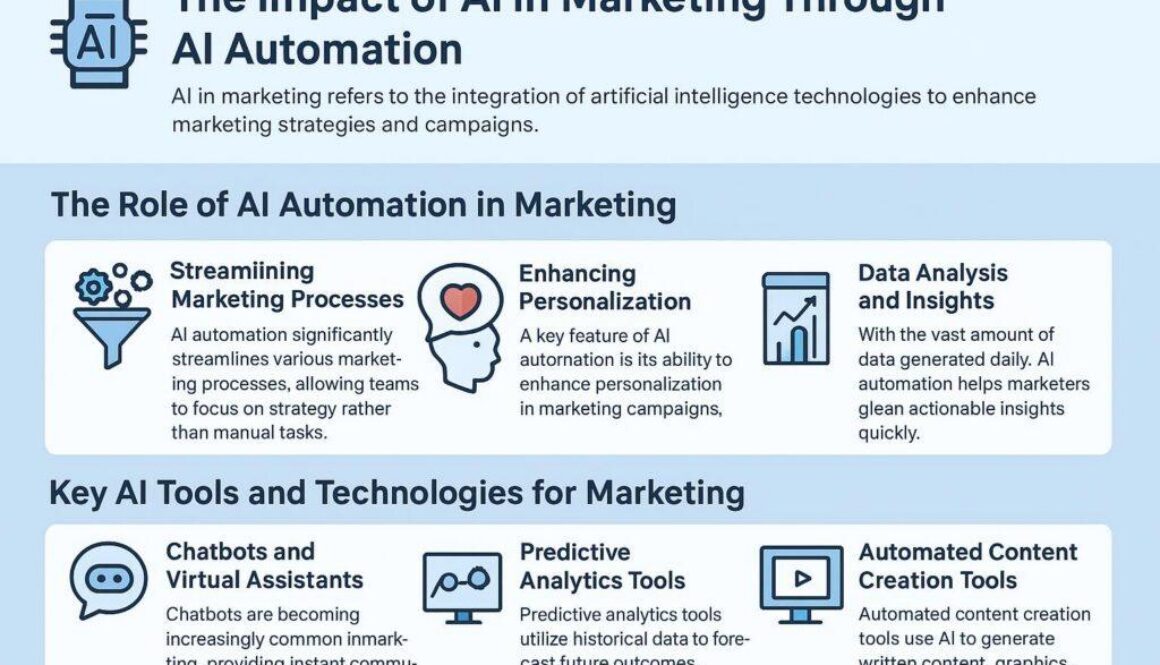
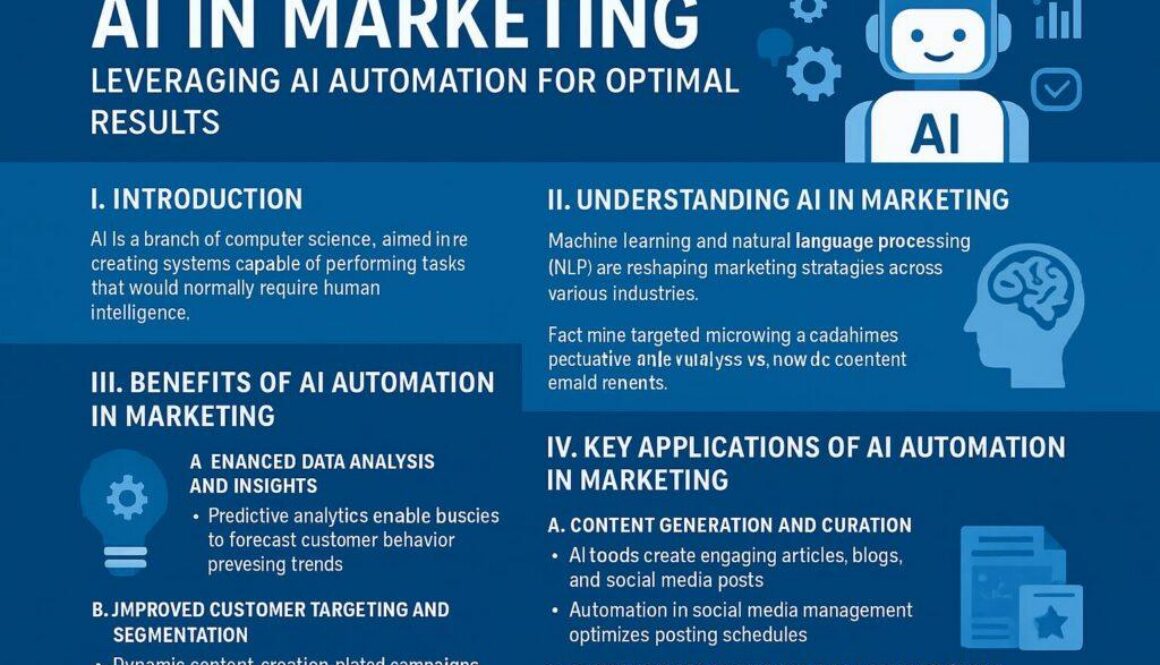
Artificial Intelligence (AI) in marketing refers to the use of sophisticated algorithms and data analytics to enhance marketing strategies and campaigns. AI automation plays a crucial role, enabling marketers to streamline processes, improve customer experiences, and achieve better results with less manual effort. This article will explore the role of AI in marketing, the types of AI automation tools available, their benefits, challenges, and future trends.
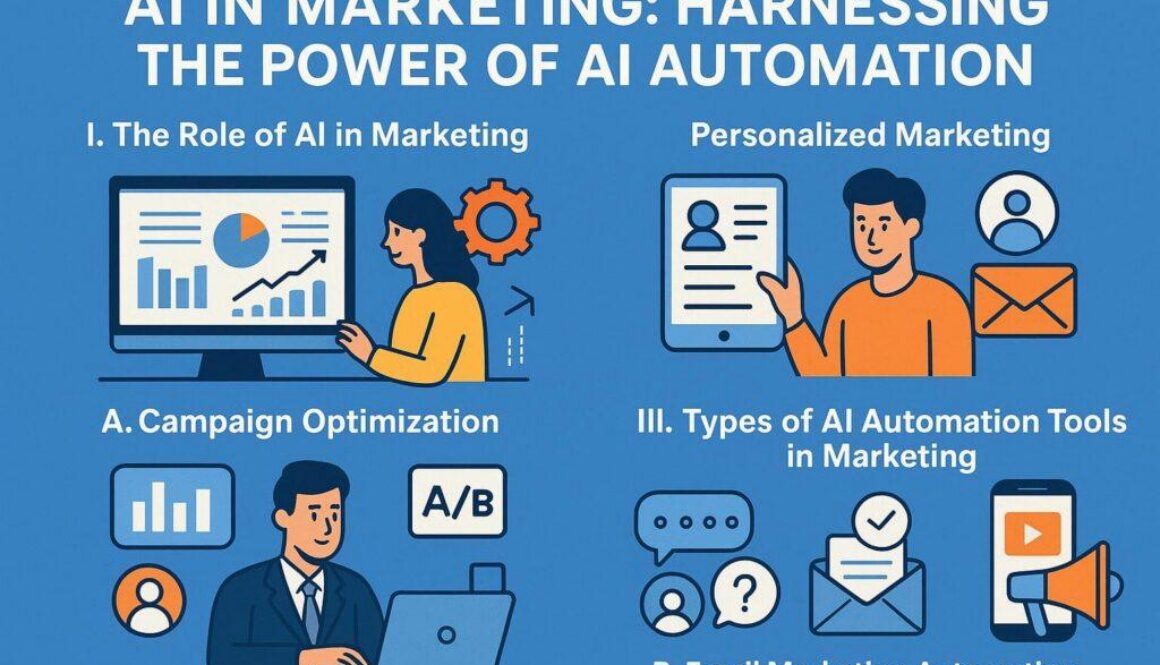
II. The Role of AI in Marketing
A. Data Analysis and Insights
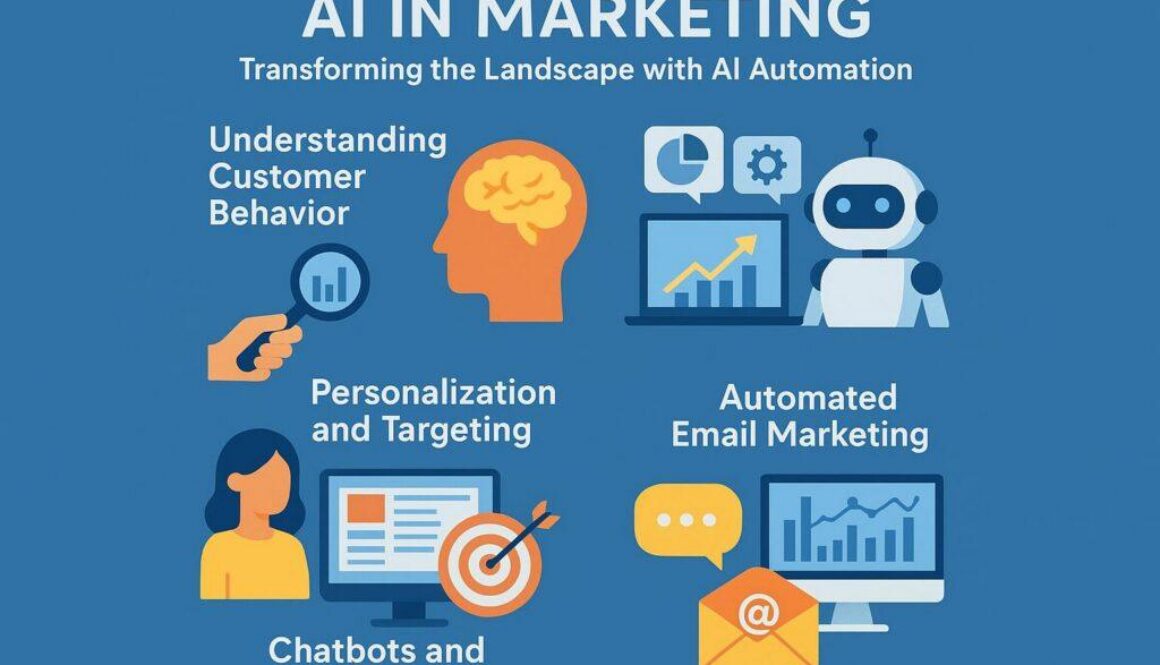
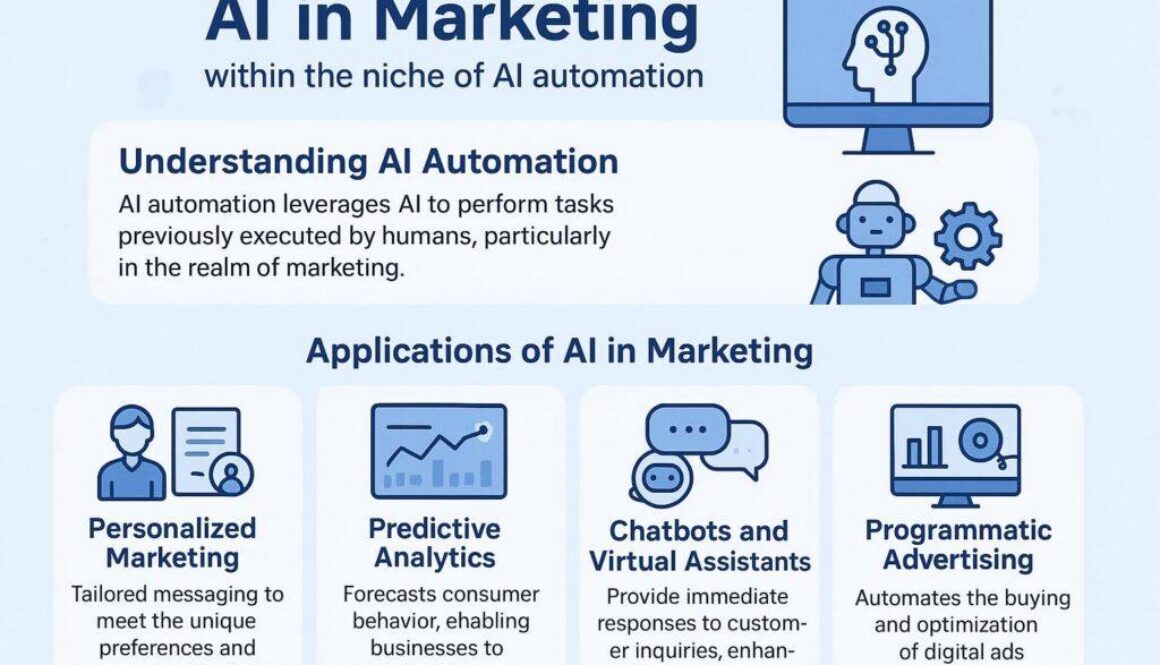
AI excels at processing vast amounts of data to derive actionable insights that drive marketing effectiveness. One significant aspect is customer behavior prediction, where AI analyzes patterns in consumer interactions and preferences to anticipate future purchases. Additionally, market trends analysis enabled by AI provides businesses with a clear view of emerging trends, helping them stay ahead of the competition.
B. Personalized Marketing
Personalization is paramount in creating effective marketing campaigns, and AI plays an essential role in delivering tailored content to individual consumers. Through dynamic content delivery, AI algorithms can adjust messages based on user interactions and preferences, ensuring relevance. Furthermore, segmentation and targeting become more precise, allowing marketers to focus their efforts on specific audience segments that are more likely to convert.
C. Campaign Optimization
AI automation enhances the process of campaign optimization, particularly through techniques like A/B testing automation. This allows marketers to evaluate multiple campaign strategies simultaneously, identifying the most effective approach in real time. Additionally, performance analytics provides ongoing insights into campaign success, enabling continuous improvements and maximizing overall effectiveness.
III. Types of AI Automation Tools in Marketing
A. Chatbots and Customer Service Automation
Chatbots are a prime example of AI automation that significantly benefits lead generation. These intelligent bots can engage with potential customers 24/7, answering queries and guiding them effectively through the sales funnel. Moreover, by enhancing customer experience, brands can ensure improved satisfaction and loyalty, leading to repeat business.
B. Email Marketing Automation
Email marketing automation powered by AI allows businesses to execute targeted campaigns effortlessly. Automated follow-ups and nurture campaigns ensure that potential leads and existing customers receive timely and relevant communications. Additionally, AI-driven list segmentation allows marketers to categorize their audience based on behavior and preferences, resulting in higher engagement rates.
C. Social Media Automation
Social media automation tools leverage AI for efficient content scheduling and posting, making it easier to maintain an active online presence. These tools not only save time but also analyze user engagement and audience sentiment, providing valuable insights for content strategy adjustments. By tracking engagement, marketers can refine their approaches to foster deeper connections with their audience.
IV. Benefits of AI Automation in Marketing
A. Increased Efficiency and Productivity
AI automation significantly boosts efficiency by handling repetitive tasks, allowing marketing teams to focus on strategic initiatives. With AI taking care of mundane activities, teams can allocate their resources to creative and high-impact projects. This shift leads to greater productivity and better use of human talent within organizations.
B. Cost Reduction
Implementing AI automation in marketing can lead to substantial cost reductions by minimizing the need for extensive manual labor and reducing errors. Automated systems can handle numerous tasks simultaneously, reducing overhead costs associated with human resources. In the long term, this translates to lower operational costs and enables marketers to redirect funds toward growth-oriented strategies.
C. Enhanced Decision-Making
AI improves the decision-making process by providing data-driven insights and recommendations. Marketers gain access to real-time analytics that enable them to pivot strategies swiftly based on campaign performance and consumer behavior. Ultimately, enhanced decision-making leads to more effective marketing efforts and superior business outcomes.
D. Improved ROI on Marketing Campaigns
With AI automation, marketers can more effectively track and analyze their return on investment (ROI) for various campaigns. By refining targeting strategies and enhancing personalization, businesses can achieve higher conversion rates and increased sales. This significant improvement in ROI ensures that marketing budgets are well spent, delivering measurable results.
V. Challenges and Considerations
A. Data Privacy and Ethical Concerns
As AI in marketing becomes more sophisticated, data privacy and ethical concerns are at the forefront of discussions. Businesses must ensure compliance with regulations such as GDPR while maintaining consumer trust. Moreover, marketers should prioritize transparent data practices to avoid misuse of customer information.
B. Integration with Existing Marketing Tools
Integrating AI automation tools with existing marketing platforms can be challenging. Businesses often face compatibility issues and may require substantial adjustments to their current systems. It is crucial to conduct thorough research and planning to ensure seamless integration and avoid disrupting ongoing marketing efforts.
C. The Need for Human Oversight
While AI can handle many tasks efficiently, there remains a significant need for human oversight. Critical thinking and creativity cannot be replicated by AI, and human marketers must interpret data insights and make strategic decisions. Striking the right balance between automation and human involvement ensures the most effective marketing approach.
VI. Future Trends in AI Automation and Marketing
A. Evolving AI Technologies
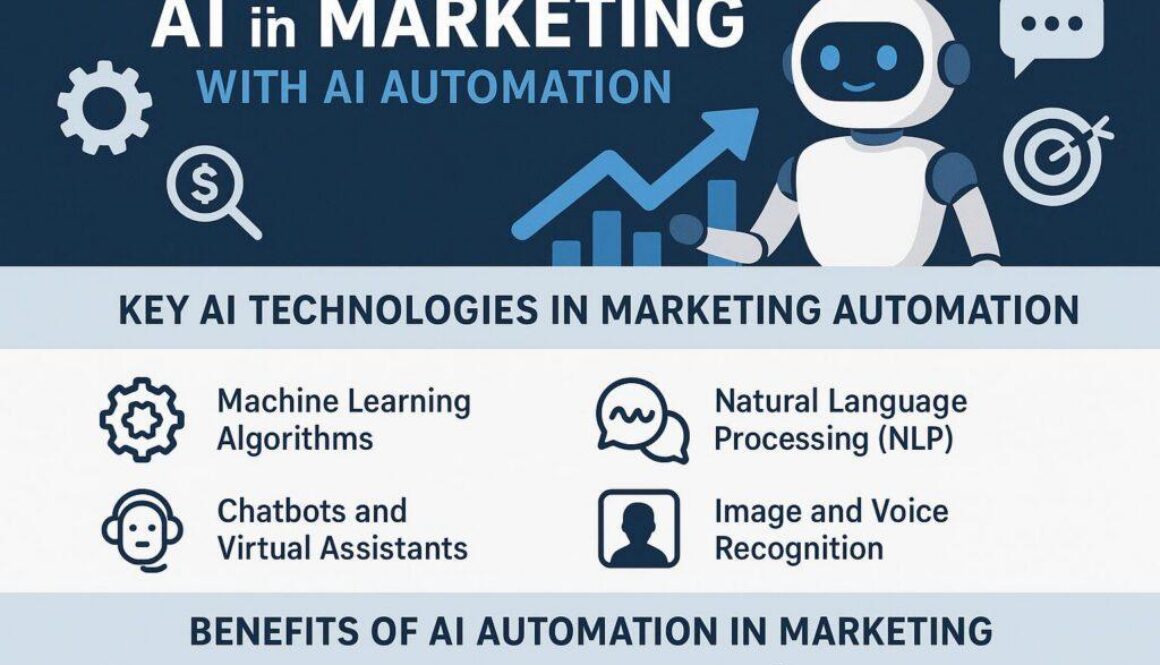
As technology continues to advance, the capabilities of AI will expand, leading to even more innovative marketing solutions. Machine learning, natural language processing, and predictive analytics will shape the future of AI automation in ways that allow businesses to engage more effectively with consumers. Keeping up with these evolving technologies is essential for marketers aiming to remain competitive.
B. Increased Personalization through Machine Learning
Machine learning will enable an even greater level of personalization in marketing efforts. As AI continues to learn from user interactions, businesses can anticipate customer needs and preferences more accurately than ever before. This evolution in personalization will lead to enhanced customer experiences and foster long-term relationships.
C. The Rise of Voice Search and Smart Assistants
With the rising popularity of voice search and smart assistants, marketers will need to adapt their strategies accordingly. AI automation will play a vital role in optimizing content for voice search, ensuring brands remain visible in this changing landscape. Understanding consumer behavior in voice interactions will be key to effective marketing in the future.
VII. Case Studies/Examples
A. Successful Brands Utilizing AI in Marketing
Many leading brands have successfully integrated AI in their marketing strategies. Companies like Amazon and Netflix have leveraged AI for recommendations, resulting in increased customer engagement and sales. These success stories demonstrate the transformative potential of AI when implemented thoughtfully.
B. Lessons Learned from Implementing AI Automation
Implementing AI automation in marketing provides valuable lessons for businesses. Companies that embrace a data-centric approach and continuously optimize their strategies based on performance insights tend to achieve better results. By sharing these experiences, marketers can avoid pitfalls and leverage best practices for effective AI integration.
VIII. Conclusion
In summary, AI automation is reshaping the marketing landscape by enhancing efficiency, productivity, and decision-making. While there are challenges to consider, the benefits far outweigh the drawbacks, making AI an essential tool for marketers. As businesses continue to embrace AI technologies, the future of marketing automation holds immense potential for innovation and growth. Marketers are encouraged to explore and invest in AI solutions to stay ahead in this rapidly evolving industry.