Revolutionizing Marketing: The Impact of AI Automation on Strategies and Consumer Engagement
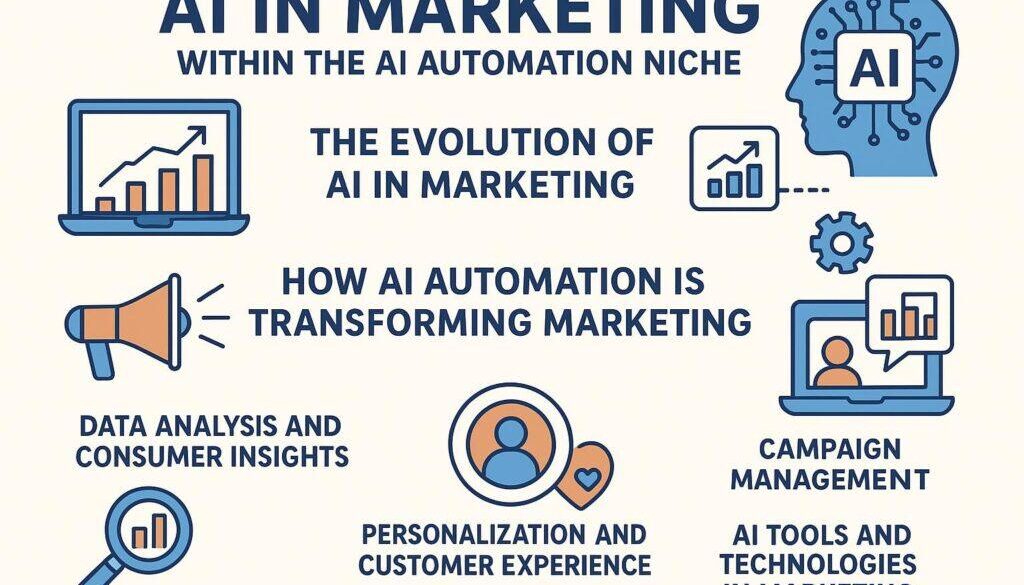
AI in Marketing within the AI Automation Niche
I. Introduction
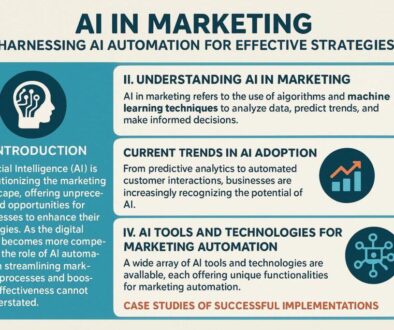
Artificial Intelligence (AI) in marketing refers to the use of sophisticated algorithms and machine learning techniques to analyze data, predict consumer behavior, and drive marketing strategies. In today's fast-paced digital environment, AI automation is essential for marketing success, enabling brands to streamline operations and deliver personalized experiences at scale. This article will explore the evolution of AI in marketing, how it transforms strategies, tools available, challenges faced, and future trends in the sector.
II. The Evolution of AI in Marketing
The historical context of marketing technologies dates back to traditional advertising methods, which evolved with the advent of the internet and digital platforms. The rise of AI has revolutionized these practices by introducing capable tools that enhance decision-making and customer engagement. Key advancements such as machine learning algorithms, natural language processing, and data analytics have created a dynamic environment wherein marketing strategies are continuously refined based on actionable insights.
III. How AI Automation is Transforming Marketing
A. Data Analysis and Consumer Insights
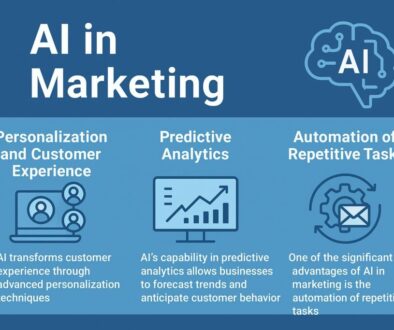
AI automation significantly enhances data analysis, allowing marketers to extract valuable consumer insights. Predictive analytics is one notable example, where AI algorithms analyze past behaviors to forecast future actions, enabling brands to tailor their strategies effectively. Furthermore, advanced customer segmentation facilitated by AI allows for more targeted campaigns, enhancing the relevance of marketing efforts.
B. Personalization and Customer Experience
Personalization is at the core of modern marketing, and AI-driven solutions are paving the way for more tailored experiences. AI-driven content recommendations leverage user data to suggest relevant products or content, improving customer satisfaction and engagement rates. Additionally, customizing user journeys through AI automates interaction across channels, ensuring consumers receive the right message at the right time.
C. Campaign Management
In the context of campaign management, AI is reshaping how marketers approach ad placements and performance. Automated ad placements and bidding strategies employ complex algorithms to optimize advertising spend, ensuring maximum reach and conversion. A/B testing with AI enables marketers to test variations of campaigns quickly, drawing on data to identify the most effective approaches and continually refine their marketing tactics.
IV. AI Tools and Technologies in Marketing
A. Overview of Popular AI Tools
A wide range of AI tools has emerged that enhance marketing capabilities. Chatbots, for instance, provide interactive customer service and support, allowing for instant engagement and improved user experience. Marketing automation platforms integrate multiple AI features, streamlining email campaigns and social media management. Additionally, AI content generators offer businesses the ability to create compelling written content efficiently, saving both time and resources.
B. Case Studies of Successful AI Implementation in Marketing
Successful AI implementation in marketing can be illustrated through various case studies. For example, companies like Netflix utilize advanced algorithms to analyze user preferences, resulting in high personalization that keeps viewers engaged. Similarly, Coca-Cola has leveraged AI for content personalization and optimization in their social media campaigns, leading to an increase in ROI and customer interaction.
V. Challenges and Considerations
A. Data Privacy and Ethical Concerns
Despite the significant benefits, integrating AI into marketing raises data privacy and ethical concerns that cannot be ignored. Regulations like GDPR require marketers to manage consumer data responsibly, ensuring transparency in the use of AI technologies. As marketers deploy AI strategies, maintaining consumer trust will be crucial in alleviating fears regarding data misuse.
B. Dependence on Technology and Potential Risks
A reliance on AI technology poses potential risks, such as a loss of the human touch in customer interactions. While AI can efficiently handle repetitive tasks, overstressing automation might alienate customers who value personalized human engagement. Balancing automated solutions with human oversight is essential to mitigate these risks.
C. Skills Gap in the Workforce: Training and Adaptation
As AI continues to evolve, the skills gap in the workforce remains a significant challenge. Many marketers may lack the necessary training to leverage AI tools effectively, hindering their ability to implement cutting-edge strategies. Investing in employee training and professional development is vital for organizations to adapt to the changing landscape of AI in marketing.
VI. Future Trends in AI Marketing Automation
A. Predictive AI and Its Future Role
Predictive AI is set to play a crucial role in the future of marketing automation. As technology advances, marketers will increasingly rely on predictive analytics to create hyper-targeted campaigns that resonate with audience segments. This evolution will not only drive conversions but also foster long-term customer loyalty.
B. Integration with Other Technologies (e.g., VR, IoT)
The future landscape of marketing will likely see a seamless integration of AI with emerging technologies like Virtual Reality (VR) and the Internet of Things (IoT). Such integrations can provide richer user experiences by blending digital interactions with real-world applications. For example, brands can use VR to create immersive shopping experiences tailored to individual preferences—enhanced by real-time data from smart devices.
C. The Continued Evolution of Consumer Expectations
As consumer expectations continue to evolve, so too will the role of AI in marketing. Today's consumers are more informed and expect personalized experiences that cater to their unique preferences. The ongoing development in AI capabilities will help marketers meet these expectations, keeping businesses competitive in a dynamic market.
VII. Conclusion
AI in marketing automation is not just a trend; it is a pivotal component of modern marketing strategies. By embracing AI tools and strategies, marketers can enhance their operations, improve customer experiences, and remain competitive. The future of AI in the marketing landscape looks promising, marked by innovations that drive efficiency and creativity.
VIII. Call to Action
Explore various AI tools that can elevate your marketing strategies and improve overall effectiveness. For those interested in staying ahead of the curve, subscribing to updates on AI trends in marketing will provide ongoing insights and knowledge. Share your experiences and thoughts on AI in marketing—let's shape the future of marketing together!