Harnessing AI Automation: Transforming Marketing Strategies for Enhanced Customer Engagement
AI in Marketing within AI Automation
Introduction
Artificial Intelligence (AI) in marketing refers to the use of advanced algorithms and machine learning techniques to enhance marketing strategies and customer interactions. AI automation takes this concept further by streamlining processes, making them more efficient, and allowing for data-driven decision-making. The purpose of this article is to explore the significance of AI in marketing automation, its applications, benefits, and future potential.
The Role of AI in Marketing
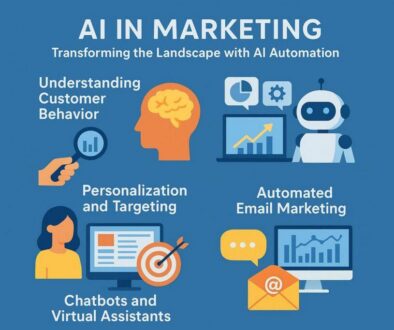
AI plays a critical role in marketing through the personalization of customer experiences, making interactions more relevant and engaging. By leveraging predictive analytics, businesses can gain insights into consumer behavior and preferences, enabling them to tailor their offerings accordingly. Additionally, enhanced targeting and segmentation strategies allow marketers to deliver messages that resonate with specific audience segments, increasing conversion rates.
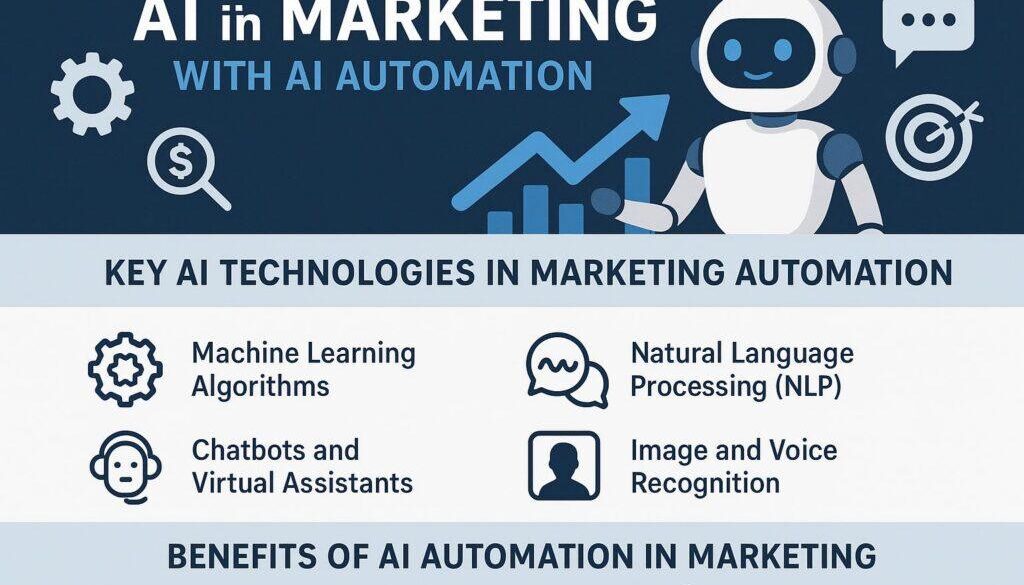
Key AI Technologies in Marketing Automation
Machine Learning Algorithms
Machine learning algorithms analyze vast amounts of data to identify patterns and insights that can enhance marketing strategies. These algorithms can predict customer preferences, optimize ad placements, and improve overall campaign effectiveness.
Natural Language Processing (NLP)
Natural Language Processing (NLP) enables machines to understand and interact with human language. In marketing, NLP can be utilized to analyze customer sentiment in social media and feedback, helping brands adjust their messaging based on consumer reactions.
Chatbots and Virtual Assistants
Chatbots and virtual assistants are transforming customer service by providing instant replies to consumer inquiries and facilitating 24/7 support. These AI-powered tools enhance user experience and free up human resources for more complex tasks.
Image and Voice Recognition
Image and voice recognition technologies offer brands innovative ways to engage consumers. From interactive ads to voice-activated shopping experiences, these technologies create seamless interactions and enhance user convenience.
Benefits of AI Automation in Marketing
AI automation significantly increases efficiency and productivity by automating repetitive tasks and allowing marketers to focus on strategic initiatives. Cost reduction is another advantage, as automation minimizes the need for extensive human labor and optimizes resource allocation. Furthermore, improved data analysis enhances insights, enabling marketers to make informed decisions that lead to better customer engagement.
Applications of AI in Marketing Automation
Email Marketing Automation
AI can optimize email campaigns by personalizing content for each recipient, timing emails based on user behavior, and improving open and conversion rates through predictive analytics.
Social Media Advertising and Management
AI tools analyze social media trends, helping marketers create targeted advertising campaigns that are likely to resonate with the intended audience, ensuring effective budget use and maximizing ROI.
Content Creation and Curation
AI can generate content ideas, write articles, and curate relevant information, making the content creation process more efficient. Marketers can leverage AI to maintain consistent content flow aligned with audience interests.
Campaign Performance Tracking and Optimization
AI automation facilitates real-time tracking of campaign performance, providing valuable metrics that allow for immediate adjustments. This responsiveness contributes to more successful marketing outcomes.
Challenges and Considerations
While AI automation presents numerous advantages, there are challenges that marketers must navigate. Data privacy and ethical concerns arise when collecting and utilizing consumer data, urging companies to adopt transparent practices. Implementation hurdles and costs can also deter businesses from fully embracing AI technologies, making a comprehensive strategy critical. There is also a necessity to balance AI's capabilities with human creativity to avoid over-reliance on technology.
Future Trends in AI and Marketing Automation
As AI technology advances, its potential impact on marketing strategies will continue to evolve. Marketers must adapt to an increasingly automated landscape, focusing on interpersonal skills and creative tasks that AI cannot replicate. Predictions suggest that AI-driven marketing strategies will become more refined, leveraging deeper insights for targeted consumer engagement.
Case Studies
Numerous major brands have successfully implemented AI in their marketing automation strategies. For instance, Netflix utilizes AI algorithms to recommend content based on user preferences, thereby enhancing viewer retention. Such case studies not only highlight best practices but also offer valuable lessons on effectively integrating AI technologies in marketing.
Conclusion
AI automation in marketing has transformed the industry by enhancing customer interactions and streamlining processes. As marketers embrace these technologies, they can expect improved efficiency, greater understanding of consumer behavior, and the opportunity to create more targeted campaigns. It is essential for marketing professionals to continue exploring and learning about AI's potential to stay ahead in the ever-evolving digital landscape.