AI in Marketing Automation: How Artificial Intelligence is Transforming Customer Engagement and Strategy
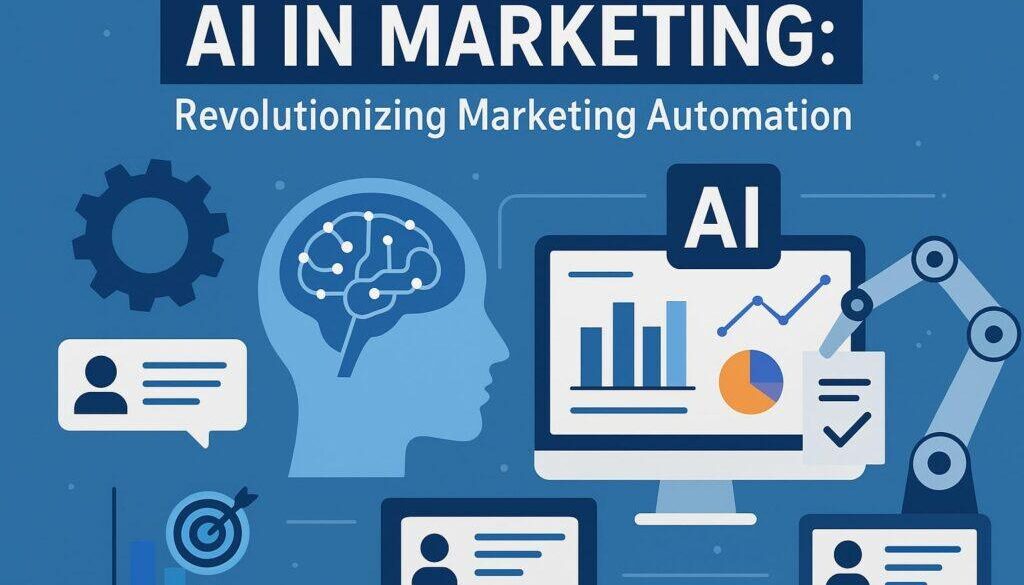
AI in Marketing: Revolutionizing Marketing Automation
Introduction
Artificial Intelligence (AI) is transforming the marketing landscape, providing businesses with unprecedented ways to engage and understand their customers. Marketing automation, enhanced by AI, allows companies to streamline operations, increase efficiency, and deliver personalized experiences at scale. This article delves into how AI integration is revolutionizing marketing automation, highlighting its role, benefits, technologies, real-world applications, and future prospects.
The Role of AI in Marketing Automation
Enhancing Data Analysis and Insights
AI plays a pivotal role in improving data analysis and generating actionable insights. Through predictive analytics, businesses can forecast customer behavior and market trends, allowing them to craft strategic campaigns. Additionally, effective customer segmentation is achieved using AI algorithms, enabling marketers to target specific groups with tailored messages that resonate.
Personalization at Scale
In the age of customized experiences, AI facilitates personalization at an enormous scale. With tailored content recommendations, businesses can deliver unique experiences to each customer based on their preferences and behavior. Furthermore, dynamic email marketing uses AI to adjust content in real-time, ensuring that each email is relevant and engaging, leading to higher open and conversion rates.
Chatbots and Customer Interaction
AI-powered chatbots are revolutionizing customer interaction by providing 24/7 support. These tools can handle inquiries at any time, significantly enhancing customer satisfaction and reducing wait times. Moreover, conversational marketing through chatbots creates a more engaging and interactive experience, encouraging customers to share their needs and preferences directly.
Key AI Technologies in Marketing Automation
Machine Learning
Machine learning algorithms analyze large datasets to uncover patterns, ensuring precise targeting and improved marketing strategies. These algorithms empower marketers to fine-tune campaigns based on real-time data, making adaptive changes as needed.
Natural Language Processing (NLP)
NLP technology allows for analyzing customer sentiment and intent, providing insights into how consumers feel about products and brands. By processing text from various sources, businesses can enhance communication strategies and tailor their messaging effectively.
Computer Vision
Computer vision technology enables automated interpretation of visual content, allowing marketers to analyze images and videos posted on social media. This capability aids in understanding brand perception and the effectiveness of visual marketing efforts.
Robotic Process Automation (RPA)
RPA automates repetitive tasks, streamlining workflow and saving time for marketing teams. By handling mundane tasks such as data entry and reporting, RPA enables marketers to focus on strategy and creative processes.
Benefits of AI in Marketing Automation
Increased Efficiency
AI integration in marketing automation boosts operational efficiency by automating routine tasks, allowing teams to concentrate on higher-value projects. This leads to significant time savings and resource allocation optimization across departments.
Improved ROI
By leveraging AI capabilities, companies can enhance the performance of their marketing campaigns, thereby achieving better returns on investment. Targeted strategies informed by AI-driven insights help minimize wasted ad spend and maximize customer acquisition.
Enhanced Customer Experience
AI systems provide insights into customer behavior, enabling organizations to create tailored experiences that delight and retain customers. Enhanced personalization fosters loyalty and encourages repeat sales, driving overall profitability.
Data-Driven Decision-Making
With AI, marketers gain access to extensive data analyses that inform decision-making processes. This shift towards data-driven strategies reduces guesswork and reliance on intuition, resulting in more accurate and effective marketing plans.
Real-world Applications and Case Studies
Success Stories from Leading Brands
Companies such as Amazon and Netflix exemplify successful AI integration in marketing automation. By using AI to analyze user behavior, these brands provide personalized recommendations and targeted marketing that significantly enhance customer engagement.
Tools and Platforms Leveraging AI in Marketing Automation
Numerous software solutions harness AI to facilitate marketing automation. Tools like HubSpot, Marketo, and Salesforce offer features such as predictive analytics, customer segmentation, and personalized email marketing, helping brands implement effective strategies seamlessly.
Challenges and Considerations
Ethical Concerns and Data Privacy
The rise of AI in marketing brings ethical considerations, primarily around data privacy. Businesses must navigate regulations and best practices to ensure that customer data is handled responsibly, maintaining trust and compliance.
Dependence on Technology
While AI provides substantial benefits, over-reliance on technology may lead to assumptions about data accuracy. Marketers must balance AI insights with human intuition and creativity to develop effective strategies.
Need for Skilled Professionals
The integration of AI in marketing requires skilled professionals who understand both marketing and technology. Brands must invest in training or hire AI-savvy marketers to fully leverage automation tools effectively.
The Future of AI in Marketing Automation
Emerging Trends and Innovations
AI technology continues to evolve, with trends like hyper-personalization and voice search optimization gaining traction. Marketers must stay ahead of these trends to leverage emerging tools effectively.
Predictions for the Next 5-10 Years
In the coming years, AI in marketing automation is expected to become more sophisticated, moving towards automated decision-making processes. This evolution will allow businesses to adapt rapidly to changing consumer behaviors and market demands.
How Businesses Can Prepare
To remain competitive, businesses should invest in both technology and skill development for their teams. Staying updated with advancements in AI will empower organizations to enhance their marketing strategies effectively.
Conclusion
AI is fundamentally changing marketing automation by enhancing efficiency, personalizing customer interactions, and driving data-driven decision-making. As we have explored, the integration of AI can yield significant benefits that are essential for forward-thinking businesses. Embracing AI-driven marketing strategies is no longer an option but a necessity in today’s competitive landscape.
Additional Resources
Recommended Reading
- "Artificial Intelligence for Marketing: Practical Applications" by Jim Sterne
- "Machine Learning for Marketing" by Chris Goward
Blogs and Websites Focused on AI in Marketing
- Marketing AI Institute
- HubSpot Blog
Online Courses for Skill Development in AI and Marketing Automation
- Coursera: AI for Everyone
- LinkedIn Learning: Marketing Analytics and AI