
AI in Marketing Automation: Enhancing Efficiency, Personalization, and Customer Engagement
AI in Marketing: Transforming the Landscape with Automation
I. Introduction
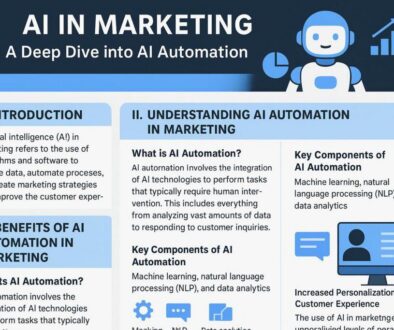
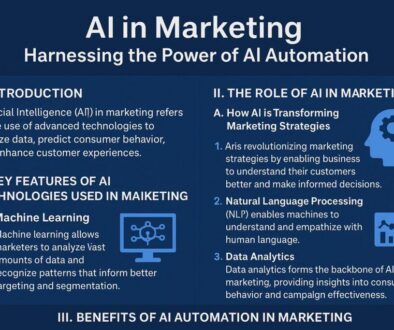
Artificial Intelligence (AI) in marketing refers to the innovative use of technology to analyze consumer behavior, automate processes, and enhance customer experiences. As organizations increasingly adopt AI automation, its relevance in modern marketing strategies becomes undeniable. Integrating AI into marketing methods not only improves efficiency but also fosters personalized interactions that engage consumers effectively.
II. The Role of AI in Enhancing Marketing Automation
A. Streamlining Marketing Processes
AI plays a pivotal role in streamlining marketing by automating repetitive tasks that consume valuable time and resources. From managing social media posts to running email campaigns, AI can perform these functions swiftly, allowing marketing teams to focus on strategic initiatives. This enhanced time efficiency leads to better resource allocation, optimizing performance across various channels.
B. Personalization at Scale
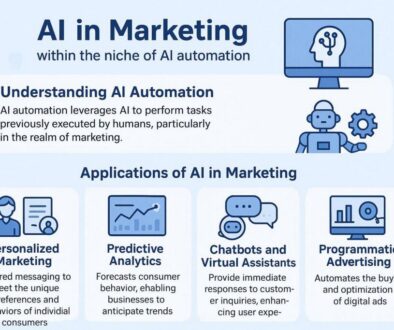
One of the most impactful advantages of AI in marketing automation is its capacity for personalization at scale. By leveraging AI-driven customer segmentation, businesses can analyze consumer data to identify distinct audience profiles. This allows for delivering tailored messaging and offers that resonate with individual preferences, significantly improving engagement rates.
III. AI Tools Revolutionizing Marketing Automation
A. Chatbots and Virtual Assistants
Chatbots and virtual assistants are revolutionizing customer interaction in marketing. By offering 24/7 support, these AI tools enhance user engagement during off-hours, ensuring that customer inquiries are promptly addressed. The implementation of chatbots not only improves the convenience of customer service but also allows brands to maintain an ongoing dialogue with their audiences.
B. Predictive Analytics
Predictive analytics is another powerful AI tool used to forecast customer behavior accurately. By analyzing historical data, businesses can anticipate trends and make data-driven decisions that improve their marketing strategies. This leads to a more proactive approach in campaign planning, ensuring resources are utilized effectively for optimal results.
C. Content Generation
AI-driven content generation tools are making waves in the marketing landscape. Applications that act as AI writing assistants help create dynamic content tailored for diverse audiences, streamlining the content creation process. With this technology, brands can quickly generate high-quality written material that resonates with their target demographic.
IV. Benefits of AI Automation in Marketing
A. Improved Efficiency
The implementation of AI in marketing automation yields improved efficiency by significantly reducing manual workloads. Automation allows for quicker execution of marketing campaigns, enabling brands to react swiftly to market changes or customer feedback. This not only enhances overall productivity but also helps marketing teams operate more effectively.
B. Enhanced Customer Experience
AI automation leads to improved customer experiences through timely responses and meaningful interactions. Customers appreciate quick resolutions to their queries and personalized communication, which increases overall satisfaction and fosters loyalty to the brand. This engagement ultimately translates into higher retention rates and stronger brand allegiance.
C. Greater ROI
Incorporating AI into marketing strategies can lead to greater ROI by optimizing ad spending and accurately measuring performance. Automation tools that track consumer interactions and campaign effectiveness facilitate informed decision-making, allowing businesses to allocate budgets more efficiently. By focusing on high-performing strategies, brands can maximize their financial return from marketing endeavors.
V. Challenges of Implementing AI in Marketing Automation
A. Data Privacy Concerns
Despite the benefits, implementing AI in marketing automation presents challenges, chiefly concerning data privacy. Compliance with regulations like GDPR is critical, as brands must find a balance between personalization and consumer privacy. Establishing transparent data usage policies not only builds trust but also ensures that marketing strategies adhere to legal requirements.
B. Integration with Existing Systems
Integrating AI technologies with existing marketing systems poses another significant challenge. Many organizations face compatibility issues with legacy systems, which can hinder the implementation process. A comprehensive strategy, focusing on aligning AI solutions with current infrastructures, is essential to overcome these hurdles and facilitate seamless integration.
C. Skill Gaps and Workforce Transition
The rapid advancement of AI technology introduces skill gaps within marketing teams, requiring organizations to invest in training. Building capabilities in AI tools and data interpretation is vital for optimizing the workforce's effectiveness. Addressing resistance to change and fostering a culture of continuous learning will help ease the transition toward an AI-driven marketing landscape.
VI. Future Trends of AI in Marketing Automation
A. Increased Use of Machine Learning
The future of AI in marketing automation will witness an increased application of machine learning, enabling enhanced customer insights and adaptability. As algorithms become more sophisticated, businesses can analyze large datasets to identify trends and tailor strategies in real time. This shift towards intelligent marketing will provide brands with robust tools for responding to dynamic consumer needs.
B. Voice Search Optimization
Voice search is becoming an essential aspect of the digital marketing realm, driven by the rise of voice AI technology. As more consumers utilize voice-activated devices, brands must optimize their content and strategies to align with voice search behaviors. This trend underscores the necessity for marketers to adapt their approaches and create new opportunities for engagement through auditory channels.
C. Hyper-Personalization
Hyper-personalization represents a significant advancement in AI technology for real-time customer engagement. By utilizing advanced algorithms, brands can achieve a deeper understanding of individual preferences, enabling them to deliver highly relevant content and offers. This level of personalization not only enhances customer loyalty but also drives conversion rates through more targeted marketing efforts.
VII. Best Practices for Leveraging AI in Marketing Automation
A. Start Small and Scale
To effectively leverage AI in marketing automation, businesses should consider starting small with pilot projects. Testing new AI tools on a limited scale allows organizations to learn and adapt before a full-scale rollout. This phased approach also helps mitigate risks and ensures that marketing teams are comfortable with the technology.
B. Focus on Data Quality
The success of AI automation heavily relies on the quality of data used for analysis. Businesses must prioritize the selection of reliable data sources to enhance segmentation and personalization efforts. Implementing stringent data management practices ensures that marketing strategies are backed by accurate insights, ultimately driving better results.
C. Continuous Monitoring and Optimization
Finally, continuous monitoring and optimization of AI-driven strategies is crucial for sustaining marketing effectiveness. Utilizing analytics to track performance metrics and consumer engagement can reveal insights for ongoing improvement. By regularly refining AI-driven campaigns, brands can adapt to changing consumer preferences and enhance overall marketing outcomes.
VIII. Conclusion
The integration of AI into marketing automation is transforming how businesses engage and interact with their customers. As organizations embrace these emerging technologies, they will find substantial improvements in efficiency, customer experience, and return on investment. The future of marketing promises exciting opportunities, and companies must be proactive in leveraging AI to stay competitive.
IX. Call to Action
To keep pace with the advancements in marketing technology, businesses are encouraged to explore various AI tools and resources tailored for their needs. Additionally, sharing experiences and insights on AI implementation in marketing automation can foster a collaborative environment, driving collective growth in the industry.