AI Automation in Marketing: Unlocking Efficiency, Personalization, and Future Trends
AI in Marketing: A Deep Dive into AI Automation
I. Introduction
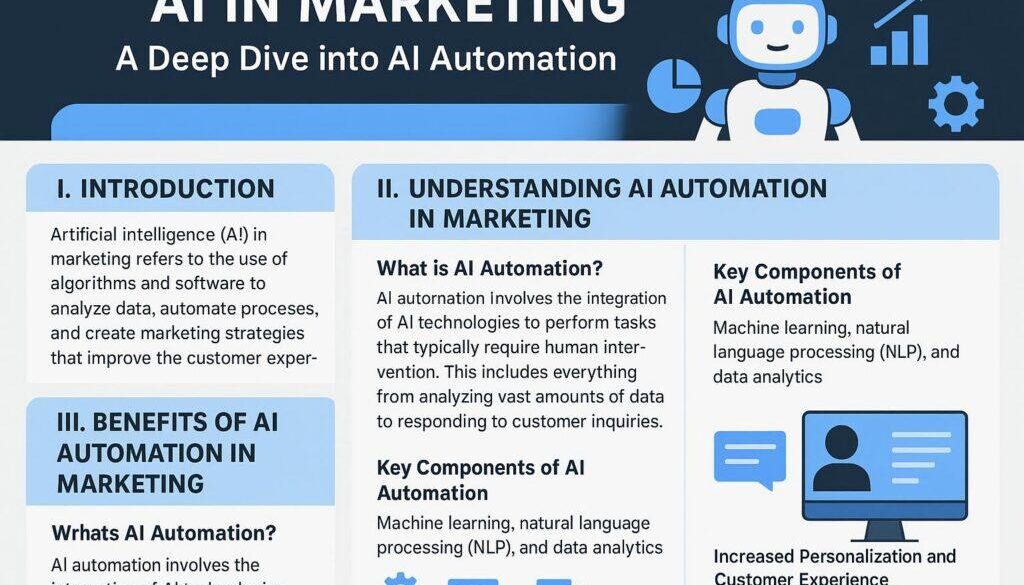
Artificial Intelligence (AI) in marketing refers to the use of algorithms and software to analyze data, automate processes, and create marketing strategies that improve the customer experience. In today's competitive landscape, AI automation plays a crucial role in refining modern marketing strategies, enabling brands to operate more efficiently and effectively. With the rapid advancement of AI technologies, understanding these trends is vital for marketers looking to stay ahead.
II. Understanding AI Automation in Marketing
What is AI Automation?
AI automation involves the integration of AI technologies to perform tasks that typically require human intervention. This includes everything from analyzing vast amounts of data to responding to customer inquiries. By leveraging AI, businesses can automate repetitive tasks, improve efficiency, and enhance decision-making processes.
Difference between AI and Traditional Automation
While traditional automation relies on predefined rules and workflows, AI automation utilizes machine learning algorithms to learn from data and make informed decisions in real-time. This adaptive capability allows for more complex marketing strategies, as AI can analyze patterns and trends that traditional systems might overlook.
Key Components of AI Automation
Key components of AI automation in marketing include machine learning, natural language processing (NLP), and data analytics. Machine learning helps systems learn from historical data to optimize future performance, NLP enhances customer interaction by understanding and generating human language, and data analytics allows marketers to gather actionable insights from large data sets.
III. Benefits of AI Automation in Marketing
Enhanced Data Analysis and Insights
One of the most significant advantages of AI in marketing is its ability to analyze massive data sets quickly and efficiently. With advanced analytics capabilities, marketers can uncover hidden patterns and trends, leading to more informed decision-making. This enhanced insight not only optimizes strategies but also drives business growth.
Improved Customer Segmentation and Targeting
AI automation allows for precise customer segmentation, enabling marketers to target specific demographics more effectively. By analyzing customer behavior and preferences, businesses can create tailored campaigns that resonate with their audience. This heightened level of targeting increases conversion rates and maximizes marketing return on investment (ROI).
Increased Personalization and Customer Experience
The use of AI in marketing enables unparalleled levels of personalization. From tailored recommendations to customized email campaigns, AI enhances the customer experience by anticipating needs and preferences. This personalized approach fosters stronger customer relationships and promotes brand loyalty.
Operational Efficiency and Cost Reduction
AI automation streamlines marketing processes, reducing the need for extensive manual labor and minimizing errors. By automating repetitive tasks, teams can focus more on strategic initiatives, leading to lower operational costs and increased efficiency. This not only saves time but also allows for a more agile response to market changes.
Predictive Analytics for Better Forecasting
Predictive analytics powered by AI enables marketers to forecast trends and customer behavior accurately. By analyzing historical data and identifying patterns, businesses can make proactive decisions to seize market opportunities. This foresight is essential for staying competitive in a rapidly evolving landscape.
IV. Key AI Tools and Technologies for Marketing Automation
Overview of Popular AI Tools
Several AI tools have emerged as essential for marketing automation, including chatbots, predictive analytics platforms, and AI-driven content generators. These tools enhance various marketing functions, from customer service to strategizing ad campaigns, ultimately streamlining operations and improving outcomes.
Role of Machine Learning in Marketing Automation
Machine learning is pivotal in marketing automation as it allows systems to learn from data inputs and improve over time. This capability enables brands to refine their strategies based on real-time feedback, ensuring that marketing efforts are both relevant and effective.
Natural Language Processing (NLP) in Customer Interactions
Natural Language Processing plays a critical role in enhancing customer interactions, enabling smoother communication through chatbots and virtual assistants. NLP allows these tools to interpret customer inquiries and respond appropriately, improving customer satisfaction and engagement.
V. Applications of AI Automation in Marketing
Content Generation and Curation
AI automation aids in content generation and curation by analyzing user preferences and creating relevant content recommendations. This process enhances audience engagement by providing timely and targeted information, which is crucial in maintaining a competitive edge.
Social Media Management and Advertising
AI tools streamline social media management by automating posting schedules, monitoring engagement, and analyzing performance metrics. Additionally, AI-driven advertising solutions can optimize ad placements and target audiences more accurately, maximizing ROI.
Email Marketing Optimization
Through AI automation, email marketing campaigns can be personalized and optimized based on user behavior. By utilizing predictive analytics, marketers can send targeted emails that resonate with recipients, leading to higher open and click-through rates.
Customer Relationship Management (CRM) Enhancements
AI automation enhances CRM systems by providing insights into customer behavior and preferences. This information allows marketers to tailor outreach and communication strategies, resulting in improved customer relationships and higher retention rates.
Real-Time Data Tracking and Reporting
AI automates real-time data tracking and reporting, providing marketers with immediate insights into campaign performance. This capability facilitates timely adjustments and strategy enhancements, ensuring that marketing efforts yield optimal results.
VI. Case Studies: Successful Implementation of AI in Marketing
Brand A: Leveraging AI for Email Marketing
Brand A successfully enhanced its email marketing strategy by implementing AI-driven personalization tools. By analyzing customer behavior, the company was able to tailor its messages to specific segments, leading to a significant increase in engagement and conversions.
Brand B: AI-Driven Customer Insights and Targeting
Brand B utilized AI to gain deeper insights into customer behavior, allowing for refined targeting in its advertising campaigns. This strategic move resulted in improved customer acquisition and retention rates, showcasing the effectiveness of AI in targeted marketing.
Brand C: Enhancing User Experience with AI Chatbots
Brand C integrated AI chatbots into its customer service strategy, resulting in faster response times and improved customer satisfaction. The chatbots efficiently handled inquiries and provided support, demonstrating the value of AI in enhancing user experience.
VII. Challenges and Considerations in Implementing AI Automation
Data Privacy and Ethical Considerations
As AI automation becomes more prevalent, data privacy and ethical considerations must be top priorities. Marketers need to ensure compliance with regulations and protect customer data to maintain trust and credibility with their audience.
Integration with Existing Marketing Systems
Integrating AI automation into existing marketing systems can present challenges, particularly if those systems are outdated or fragmented. A careful analysis of current tools and processes is essential to ensure seamless integration and optimize resource allocation.
Skill Gaps and Training Requirements
One of the significant barriers to adopting AI automation is the skill gap within marketing teams. Ongoing training and professional development are crucial to equip marketers with the knowledge needed to leverage AI effectively.
Measuring ROI and Effectiveness
Determining the effectiveness of AI automation can be challenging, as traditional metrics may not apply. Marketers must develop new performance indicators that accurately reflect the impact of AI on marketing efforts and overall business objectives.
VIII. Future Trends in AI and Marketing Automation
Evolving AI Capabilities
As AI technologies continue to evolve, marketers can expect even more sophisticated tools and applications. From advanced predictive analytics to improved customer interaction capabilities, the future of AI in marketing looks promising.
Increasing Role of AI in Content Creation
The role of AI in content creation is likely to expand, with tools becoming more adept at generating high-quality, engaging content. This evolution will enable marketers to maintain a steady flow of relevant content without sacrificing quality.
Future of Customer Interaction through AI
The future of customer interaction will heavily rely on AI advancements, with personalized experiences becoming the norm. AI will continue to redefine how brands interact with customers, leading to deeper relationships and greater customer loyalty.
Predictions for Marketing Automation in the Next 5-10 Years
In the next 5-10 years, marketing automation will likely become increasingly interconnected with AI capabilities. Marketers will harness these advancements to create highly personalized experiences and more intelligent decision-making processes, resulting in transformative changes in the industry.
IX. Conclusion
AI automation is revolutionizing the marketing landscape by enhancing efficiency, personalization, and effectiveness in marketing strategies. It is paramount for marketers to embrace these technologies to remain competitive and deliver superior customer experiences. Staying informed about AI advancements will empower brands to leverage these tools strategically, ensuring they are prepared for the future of marketing.