AI in Marketing: How AI Automation is Revolutionizing Strategies and Enhancing Customer Engagement
AI in Marketing: Transforming the Landscape with AI Automation
I. Introduction
Artificial Intelligence (AI) in marketing refers to the use of advanced algorithms and machine learning techniques to analyze consumer data, enhance marketing strategies, and automate various tasks. AI Automation encompasses the integration of AI technologies that facilitate the execution of marketing processes without human intervention. The importance of AI in marketing today cannot be overstated, as brands leverage these tools to drive efficiency, gain insights into consumer behaviors, and enhance customer experiences.
II. The Role of AI in Marketing
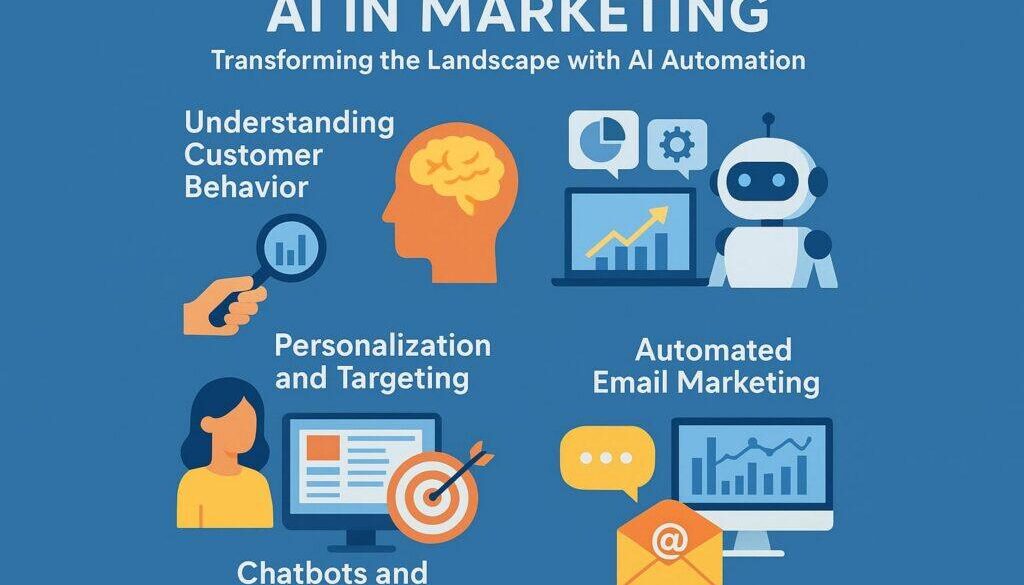
A. Understanding Customer Behavior
AI plays a pivotal role in understanding customer behavior. Predictive analytics enable marketers to forecast future buying behaviors based on historical data, effectively tailoring their approach to meet consumer needs. Moreover, customer segmentation allows businesses to categorize audiences into distinct groups, ensuring more targeted marketing efforts.
B. Personalization and Targeting
Personalization is a critical component of modern marketing strategies, and AI significantly enhances this process. Dynamic content creation tools can automatically modify website content to suit individual visitor preferences, thereby increasing engagement rates. Tailored advertising campaigns driven by AI ensure that marketing messages resonate more deeply with target audiences, leading to higher conversion rates.
III. Key AI Automation Tools in Marketing
A. Chatbots and Virtual Assistants
Chatbots and virtual assistants are revolutionizing customer interaction in the marketing domain. These AI tools provide instant responses to customer inquiries, enhancing user experience and satisfaction. Furthermore, their 24/7 availability ensures that businesses can cater to clients at all times, effectively reducing response time and driving sales.
B. Automated Email Marketing
Automated email marketing is another powerful AI-driven solution that enhances segmentation and targeting efforts. Marketers can send personalized emails based on consumer behavior, significantly increasing open and click-through rates. Additionally, performance tracking tools allow businesses to analyze the effectiveness of their email campaigns, enabling continual improvement.
C. Content Creation and Curation
AI is progressively transforming content creation and curation. AI-generated articles and social media posts can save time and resources while maintaining high-quality standards. Additionally, content recommendation systems help businesses strategically distribute content that meets users' preferences, keeping audiences engaged and informed.
IV. Benefits of AI Automation in Marketing
A. Enhanced Efficiency and Productivity
The integration of AI automation in marketing leads to enhanced efficiency and productivity. By automating repetitive tasks, marketers can focus on strategic initiatives that require human creativity and insight. This shift not only improves overall performance but also accelerates the time to market for campaigns.
B. Improved Data Analysis and Insights
AI automation provides sophisticated data analysis capabilities, allowing marketers to derive meaningful insights from complex data sets. This improved analytical power enables businesses to make informed decisions based on real-time information, thereby enhancing their marketing strategies. Consequently, companies can adapt to market changes swiftly and effectively.
C. Cost Reduction
Another significant benefit of AI in marketing is cost reduction. By automating processes, businesses can reduce labor costs and minimize the potential for human error. Furthermore, targeted marketing efforts driven by AI tend to yield higher returns on investment, optimizing resource allocation.
D. Increased Customer Engagement
AI automation plays a crucial role in increasing customer engagement. By providing personalized experiences and proactive interactions, brands can build stronger relationships with their customers. This heightened level of engagement fosters brand loyalty and encourages repeat purchases.
V. Challenges and Considerations
A. Data Privacy Concerns
As businesses embrace AI in marketing, data privacy concerns emerge as a critical challenge. Consumers are increasingly wary of how their data is being used, necessitating transparency and ethical practices. Companies must ensure they comply with regulations and prioritize the responsible use of data to maintain customer trust.
B. Integration with Existing Systems
Integrating AI automation tools with existing marketing systems can be complex and resource-intensive. Organizations often face technical challenges that require significant time and investment. It's essential to select tools that seamlessly integrate to maximize efficiency and minimize disruption.
C. Balancing Automation with Human Touch
While AI automation offers numerous advantages, striking a balance between automation and human interaction is crucial. Many customers still value personalized, human connections, especially in service-oriented environments. Companies must recognize this need and ensure that automated processes do not diminish the authenticity of customer engagement.
VI. Future Trends of AI in Marketing
A. Advancements in Machine Learning
As machine learning technologies evolve, their application in marketing will become increasingly sophisticated. Enhanced algorithms will enable predictive modeling and real-time analytics, providing marketers with deeper insights into customer motivations. The continued advancement of AI will ensure marketing strategies remain effective and relevant.
B. Greater Emphasis on Ethical AI
The future of AI in marketing will also see a greater emphasis on ethical AI practices. Organizations will need to ensure they are using AI responsibly, prioritizing customer data privacy and fairness. Developing ethical standards will be crucial for building consumer trust and fostering long-term relationships.
C. Evolving Consumer Expectations
Consumer expectations are rapidly changing, and AI will play a pivotal role in meeting these demands. As audiences become more accustomed to personalized experiences, brands will need to harness AI to deliver increasingly customized content and interactions. Marketers must stay attuned to these evolving expectations and adapt their strategies accordingly.
VII. Case Studies
A. Successful Implementation of AI in Marketing
1. Example 1: Company A
Company A successfully integrated AI into its marketing strategy by deploying advanced predictive analytics tools. As a result, they increased their customer retention rate by 25% through tailored marketing campaigns that anticipated consumer needs. This case demonstrates the power of AI in driving meaningful results.
2. Example 2: Company B
Company B leveraged AI-driven chatbots to enhance their customer service experience. By providing instant support and engaging interactions, they observed a 40% increase in customer satisfaction ratings. This implementation highlights the effectiveness of AI tools in transforming customer engagement strategies.
VIII. Conclusion
AI’s impact on marketing is profound and multifaceted. From understanding consumer behaviors to enhancing customer engagement, AI automation is reshaping the landscape of marketing today. Embracing these technologies will be crucial for businesses looking to remain competitive in an ever-evolving marketplace.
IX. Call to Action
Explore various AI tools available to enhance your marketing efforts and evaluate how they can fit into your strategy. If you have experiences or insights regarding AI in marketing, we invite you to share your thoughts and engage in the discussion. Embrace the future of marketing with AI!