
AI in Marketing: Unlocking Success Through Automation and Enhanced Customer Experience
AI in Marketing: Harnessing AI Automation for Success
Introduction
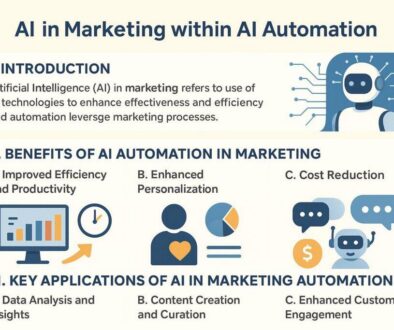
Artificial Intelligence (AI) in marketing refers to the integration of machine learning and data analysis technologies to optimize marketing strategies and enhance customer experiences. In the rapidly evolving digital landscape, AI automation has become a pivotal component, allowing marketers to leverage data for more effective decision-making and streamlined operations. The primary benefits of AI in marketing include improved efficiency, enhanced targeting, and personalized customer interactions.
The Role of AI in Marketing
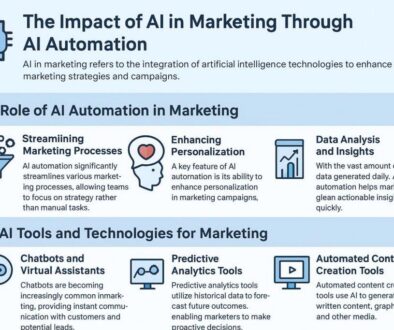
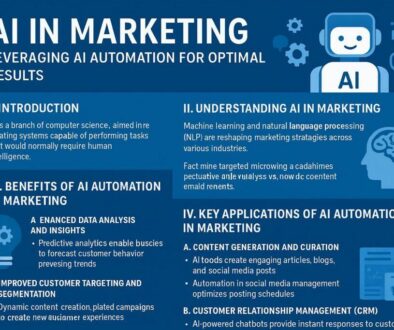
AI technologies such as machine learning and natural language processing are fundamentally transforming how marketers operate. Machine learning algorithms analyze vast amounts of data to uncover patterns, enabling businesses to understand customer behavior and preferences better. Additionally, natural language processing assists in deciphering customer sentiments and automating content creation, leading to innovative marketing solutions. Companies like Netflix and Amazon exemplify how AI can seamlessly integrate into marketing strategies, enhancing user engagement and driving sales.
Benefits of AI Automation in Marketing
One of the most significant advantages of AI automation is enhanced customer targeting and segmentation. By analyzing consumer data, AI can identify distinct customer segments, allowing marketers to create tailored campaigns that resonate with specific audiences. Improved data analysis and insights enable businesses to make data-driven decisions, optimizing marketing efforts and resource allocation. Furthermore, AI automation increases efficiency in campaign management, freeing marketers to focus on strategic initiatives rather than routine tasks, ultimately driving personalized customer experiences that foster brand loyalty.
Key AI Tools and Platforms for Marketing Automation
Several AI marketing tools have emerged as essential resources for businesses seeking to streamline their marketing efforts. Platforms like HubSpot and Marketo offer robust features, from email marketing automation to advanced analytics and CRM integration. Salesforce Einstein stands out for its comprehensive AI capabilities, allowing users to leverage predictive insights for enhanced sales strategies. When choosing a marketing automation tool, businesses should consider their specific needs, whether focused on small-scale campaigns or enterprise-level management, ensuring the selected platform aligns with their objectives.
Practical Applications of AI Automation in Marketing
The practical applications of AI in marketing are vast and varied, with numerous case studies highlighting its efficacy. Chatbots, for instance, provide 24/7 customer support, improving engagement and satisfaction levels while reducing operational costs. Predictive analytics tools help businesses forecast trends and customer behaviors, enabling proactive marketing strategies. Moreover, companies like Starbucks have successfully implemented AI-driven email marketing campaigns that significantly boost customer engagement by delivering personalized offers based on purchasing history.
Challenges and Considerations
Despite the benefits, integrating AI into marketing strategies does come with challenges. One potential pitfall is over-reliance on automation, which can lead to a lack of personal touch that customers value. Ethical considerations and data privacy issues must also be addressed, ensuring that customer data is utilized responsibly and transparently. Maintaining human oversight in automated processes is crucial to safeguard brand reputation and customer trust, balancing automation with authentic engagement.
Future Trends in AI and Marketing Automation
As technology advances, emerging innovations will further evolve AI applications in marketing. From advanced algorithms capable of predictive modeling to enhanced customer experience through augmented reality, the possibilities are vast. Experts predict that the future of AI in marketing will increasingly focus on fostering deeper customer relationships, with an emphasis on data transparency and ethical practices, positioning AI as a cornerstone of effective marketing strategies.
Conclusion
AI automation significantly impacts marketing effectiveness, driving results through enhanced targeting, personalized experiences, and increased operational efficiency. As the landscape continues to evolve, marketers are encouraged to explore AI solutions that resonate with their goals and customer needs. Staying ahead in this rapidly changing environment requires a proactive approach to adapting AI technologies, ensuring businesses remain competitive and relevant in the digital age.